Study by Witten/Herdecke University shows: Music therapy for families of children with cancer can strengthen relationships
The INMUT research project closes a key gap in pediatric oncology research—initial interim results are promising.
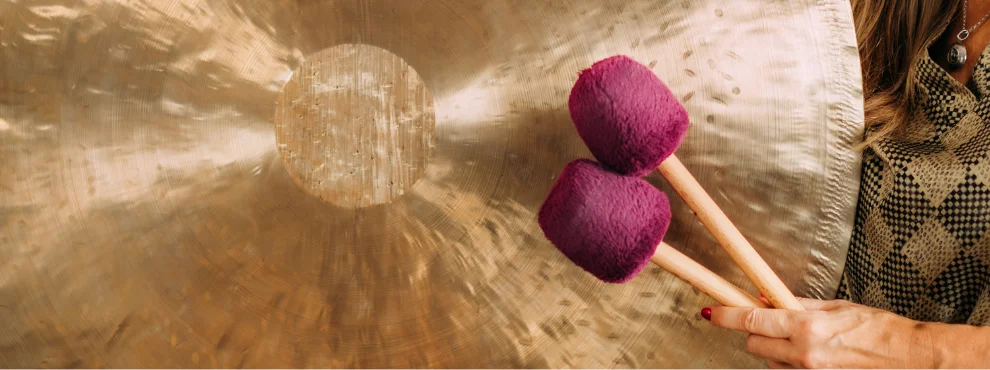
When a child is diagnosed with cancer, it affects the whole family. Parents and carers are faced with the task of supporting the child while they themselves are under great strain. This is where the research project "Interaction-focussed music therapy with children with cancer and important caregivers" (INMUT) at Witten/Herdecke University (UW/H) comes in. It is investigating whether and how music therapy can support families in this exceptional situation. The study is being led by music therapist and academic staff member Constance Boyde at the Chair of Clinical Psychology and Psychotherapy III (headed by Prof. Dr Christina Hunger-Schoppe) at UW/H and is being carried out in cooperation with several paediatric oncology centres.
How INMUT focusses on parents and children together
Although music therapy is increasingly established in paediatric oncology, empirical studies that systematically investigate parent-child interaction have been lacking to date. INMUT closes this gap. The project examines how relationships, communication and emotional regulation change when children with cancer and their carers experience music therapy together. The researchers observe and film the joint music-making and analyse the recordings. In addition, the caregivers and the child answer a standardised questionnaire on quality of life, stress and social experience - at the beginning of the study, at the end of the music therapy and a few months later.
"With my study, I want to bring research and care closer together. The findings should not only be published, but also transferred to everyday clinical practice, where they should have a noticeable effect," says Constance Boyde. This collaboration will help to sustainably improve the quality of care for families in a paediatric oncology context.
Music therapy is perceived as a relieving component
Interim results from the current study show that The music therapy programme can be easily integrated into everyday hospital life and is perceived by families as easily accessible and relieving. The quality of parent-child interaction improves noticeably and the families' sense of well-being increases. The initial results indicate that both children and their carers benefit emotionally and that their interaction is strengthened in the long term.
Further information:
The study is being conducted jointly with the paediatric oncology centres at Herdecke Community Hospital (Prof. Dr Alfred Längler), Dortmund Hospital (Prof. Dr Dominik Schneider) and the Vestische Kinderklinik Datteln (Prof. Dr Michael Paulussen). Assessments and interventions take place both in the affiliated hospitals and on an outpatient basis at the Nordoff-Robbins Music Therapy Centre in Witten; coordination and evaluation are carried out at Witten/Herdecke University.
Contact person
Svenja Malessa
Press Officer
Administration | Communication & Marketing
Alfred-Herrhausen-Straße 48
58455 Witten
Room number: 2.F05