How will artificial intelligence change the future of dentistry?
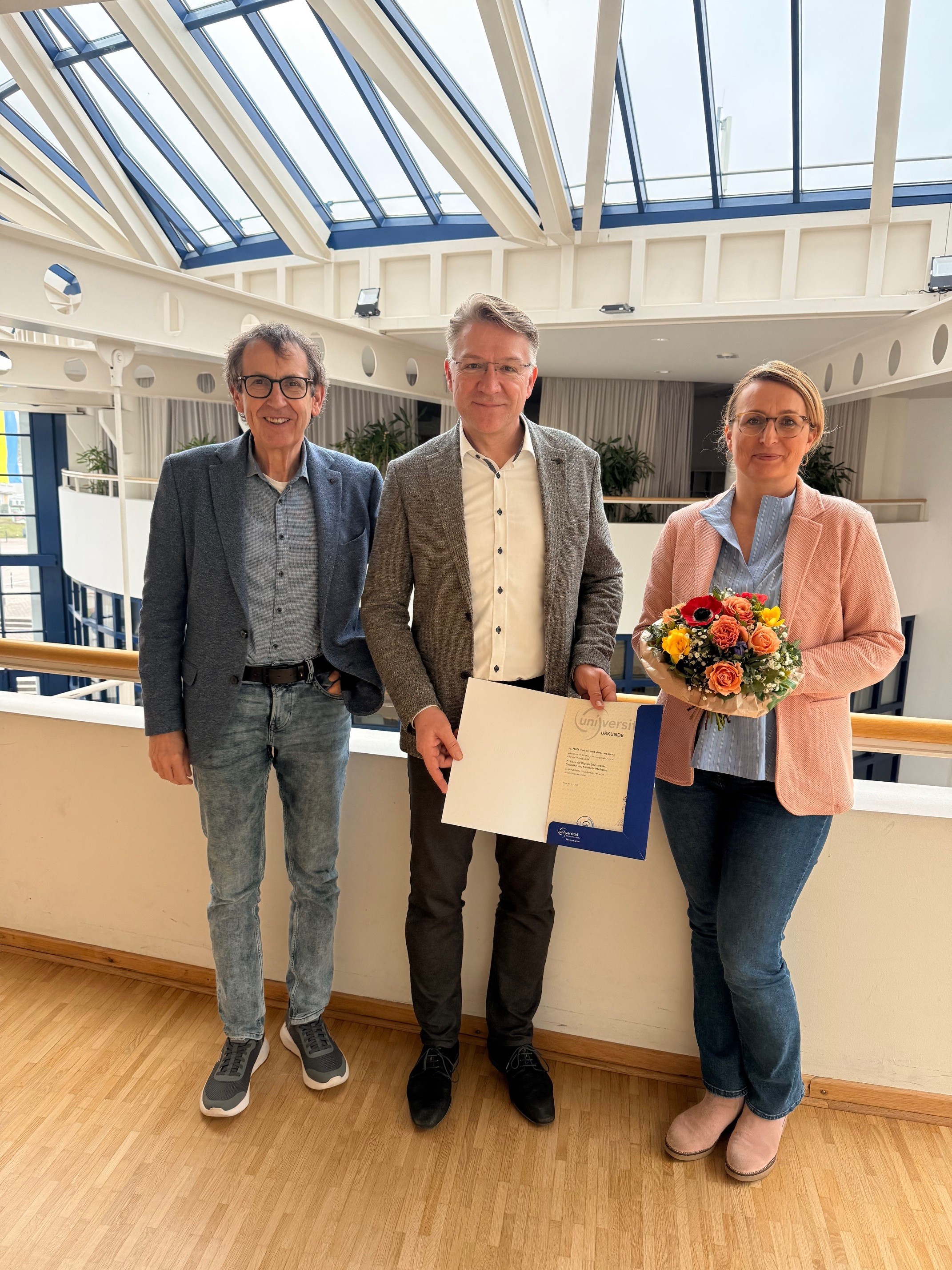
Prof. Dr. Dr. Lars Bonitz has been appointed to the Chair of Digital Dentistry, Simulation, and Artificial Intelligence at Witten/Herdecke University.
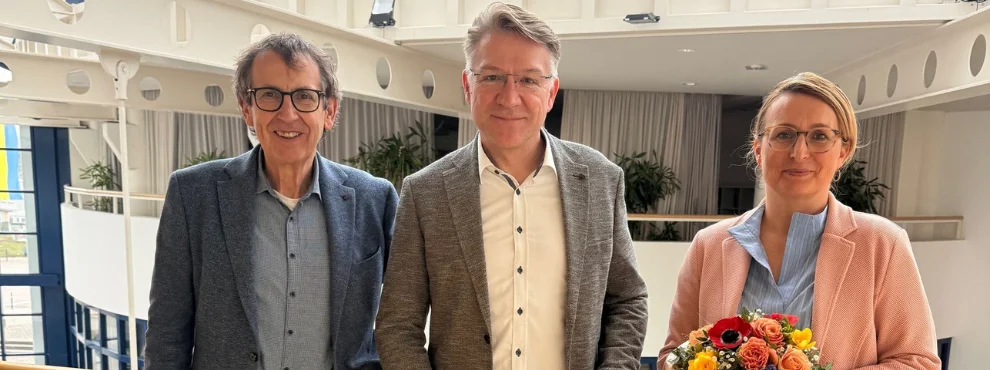
How can doctors work with artificial intelligence in the future - and what does this mean for diagnostics, teaching and everyday life in medicine? Prof Dr Dr Lars Bonitz is working on these questions. He has been appointed to the professorship for Digital Dentistry, Simulation and Artificial Intelligence at the Department of Dentistry, Oral and Maxillofacial Medicine at Witten/Herdecke University (UW/H).
One focus of his work is the consistent integration of simulation and AI in research, studies and patient care. "We need to understand AI as a tool and learn how to use it correctly," says Prof Dr Dr Bonitz. "The aim is to train doctors so that they can actively and safely use AI in their everyday work - in diagnostics, documentation or decision-making." To this end, Lars Bonitz wants to set up a separate curriculum for dental students at the UW/H. They will work with digital models of jaws and teeth at an early stage, analyse data and train treatments on the computer before performing them on people. Doctoral students are also specifically involved: In seminars, Bonitz teaches how AI is used in science today and what role it will play in the future.
MRI in dentistry: alternative to X-rays improves diagnostics
In his research, Bonitz is working on new imaging techniques. Together with partners, he has developed an MRI for dentistry - a radiation-free alternative to X-rays, which have been the standard up to now. This is a crucial difference, especially because patients are often x-rayed several times: X-rays work with ionising radiation, which can accumulate in the body and pose long-term health risks. One of the world's first devices of this kind is located at Dortmund University Hospital. The challenge: the images currently produced by MRI are complex and often noisy. This is exactly where AI can help. It prepares the data in such a way that doctors can recognise details that would otherwise remain hidden - such as changes in the bone or inflammation. "The technology is there. Now it's a matter of putting it to reliable use," says Bonitz.
With his professorship, Prof Dr Dr Bonitz wants to further expand digital dentistry at the UW/H - and bring new technologies into training and care more quickly.
Photos for download
Contact person
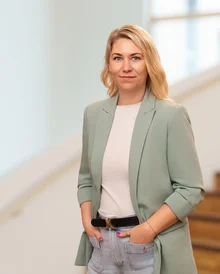
Svenja Malessa
Press Officer
Administration | Communication & Marketing
Alfred-Herrhausen-Straße 48
58455 Witten
Room number: 2.F05