Reading Artists' Books: Problems for Computer
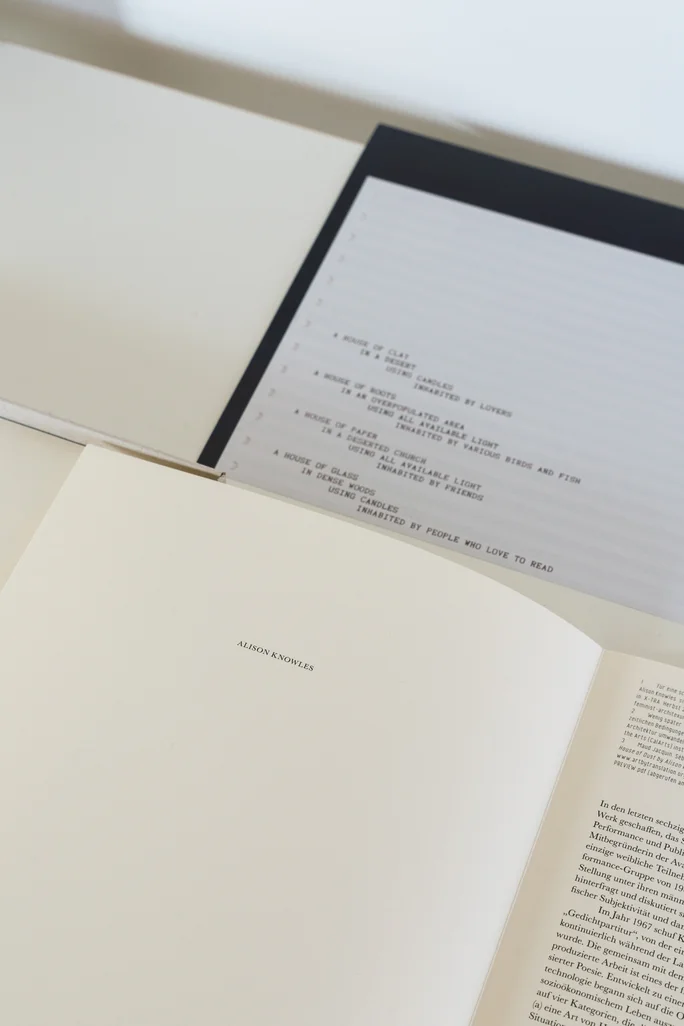
The fourth edition of the Reading Artists' Books series presented publications that have critically reflected on computational thinking since the 1960s - i.e. ways of thinking characterised by computer-based, algorithmic processes - or that drew on computer technologies in their creation. As early as the 1960s and 1970s, artists and theorists were asking whether computers could expand or even replace creativity, how artistic roles were changed by algorithmic tools and who had access to the new technologies. This raised questions that returned with new urgency in the context of current debates about artificial intelligence. Publications such as Alison Knowles' A House of Dust (1969), Stanley Brouwn's 100 this-way-brouwn-problems for computer IBM 360 model 95 (1970) or Manfred Mohr's Artificiata I (1969) illustrated how concepts of chance, iteration and algorithmic logic were translated into the analogue medium of publication - often combined with a critical reflection on the promises and limits of digital technologies.
The event was dedicated to Alison Knowles, who died in New York in October 2025 at the age of 92. It took place as part of the Studium fundamentale at Witten/Herdecke University and at the same time tied in with the questions posed at the time by the Kolleg-Forschungsgruppe "Access to cultural goods in digital change" at Münster University. The contribution by Shinji Toya (London) on the topic of digital obsolescence focussed on the fragility of network-based works and digital infrastructures. Another group of contributions was dedicated to publications on the role of women in the history of computing, in whose early days "computers" mostly referred to female people who performed complex calculations by hand. Computers at Work. About Women in Computing (2019) by Sophie Rentien Lando formed the starting point for a contribution by students from a seminar on early computer art by Regine Ehleiter. Gloria Hasnay (Düsseldorf) presented the publication Key Operators. Weaving and Coding as Languages of Feminist Historiography (2024) for her exhibition of the same name at Kunstverein München. Finally, Jonathan Harth (Berlin/Witten) focussed on the famous notes of the British mathematician Ada Lovelace, who was regarded as the world's first female programmer.
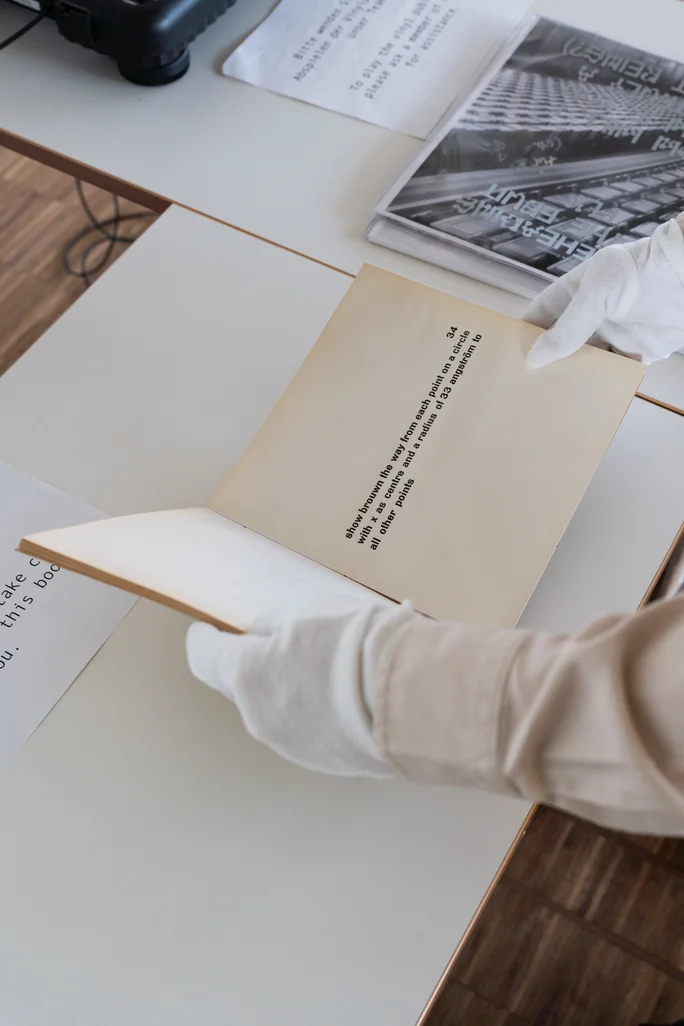
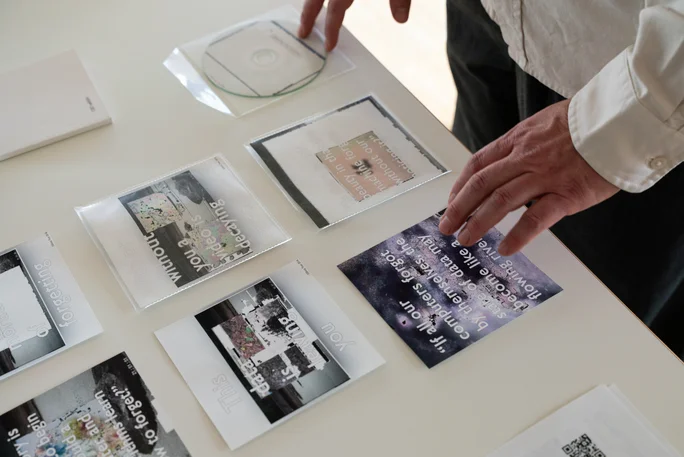
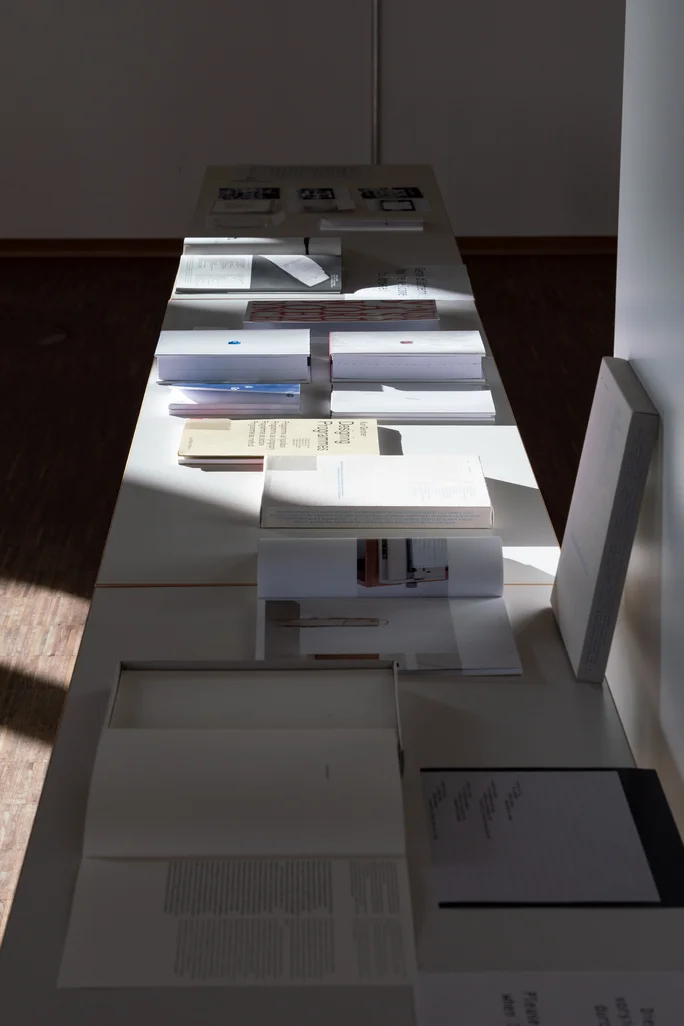
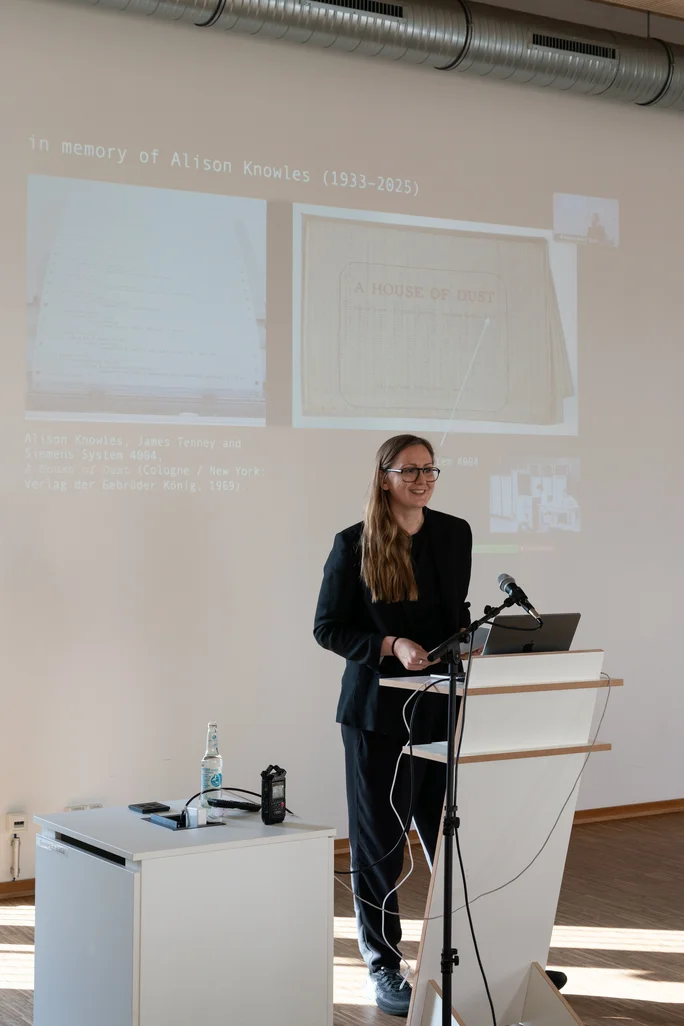
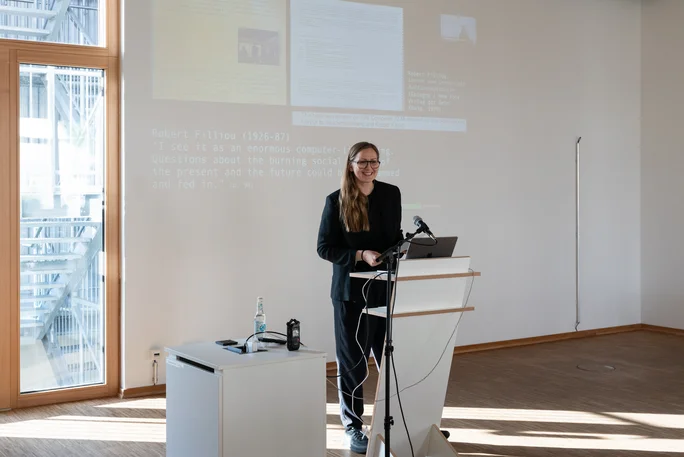
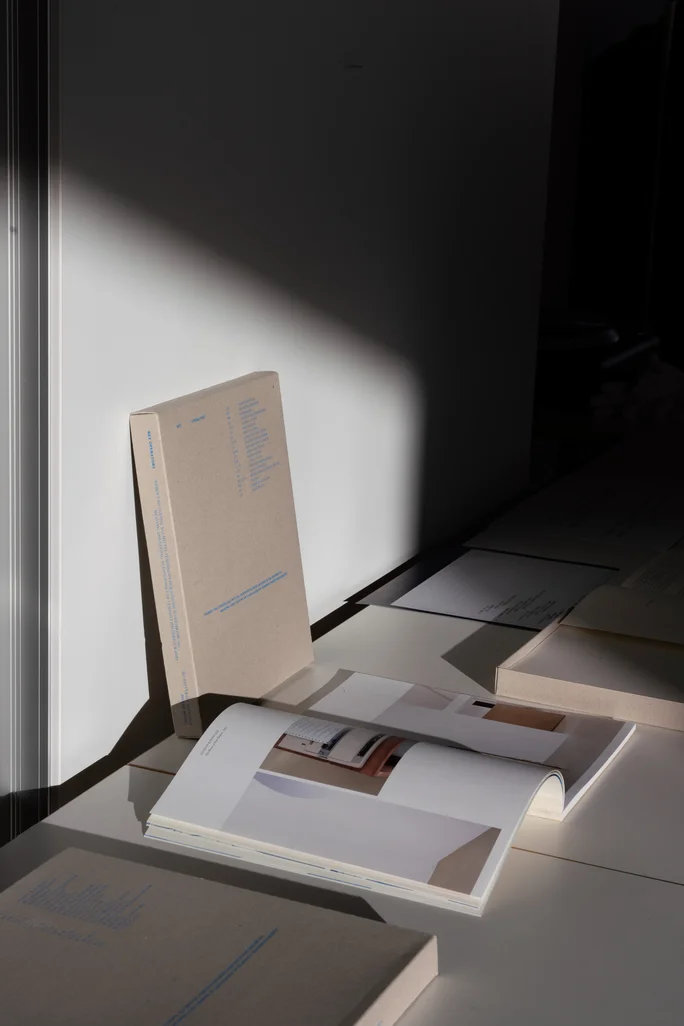
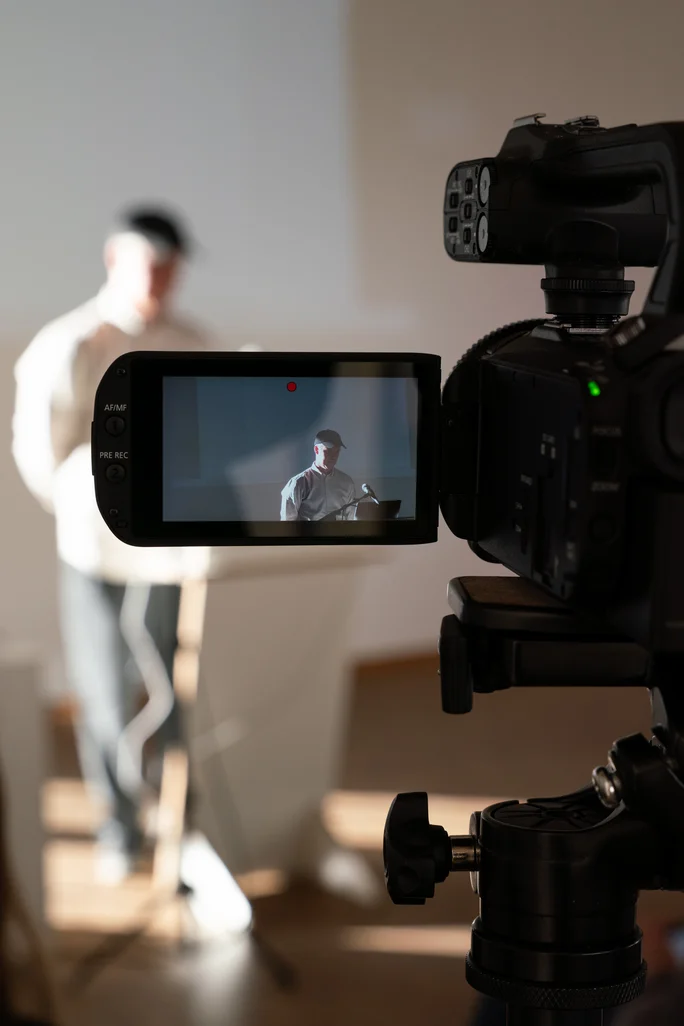
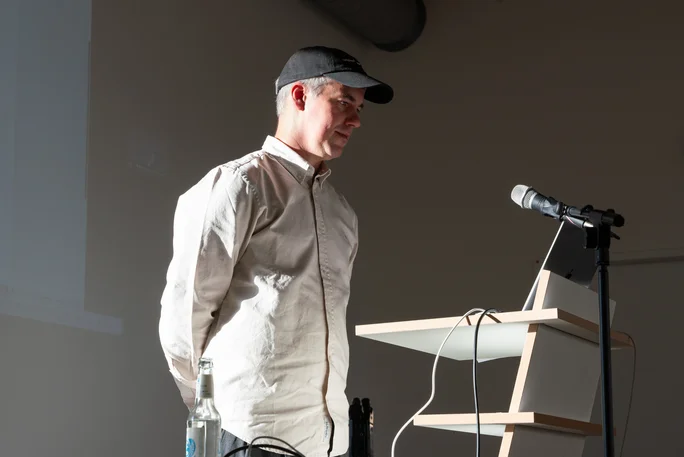
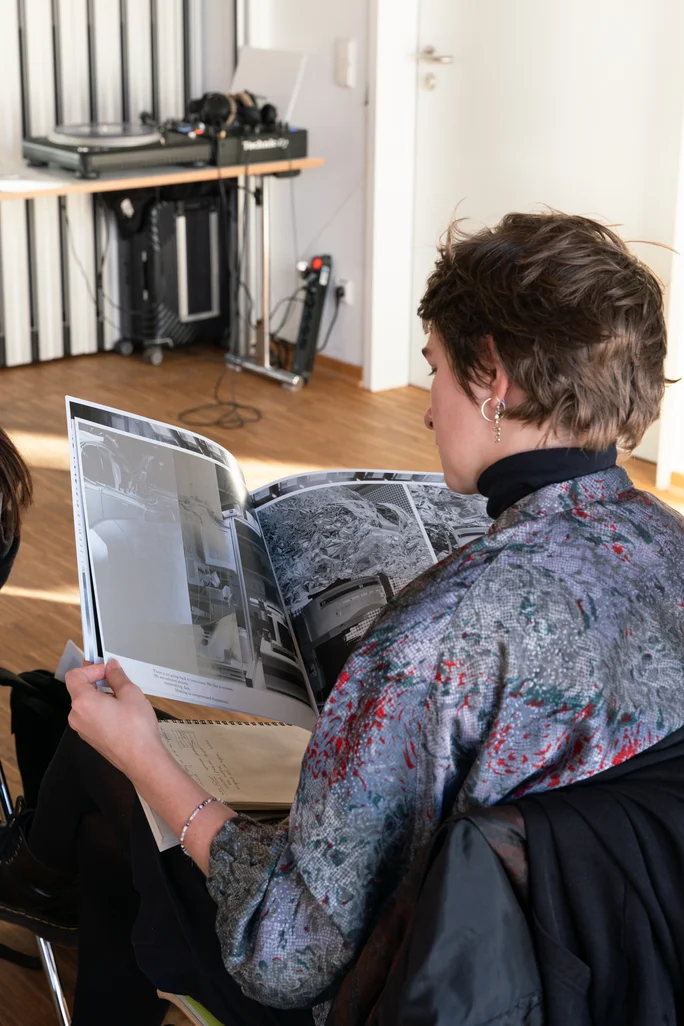
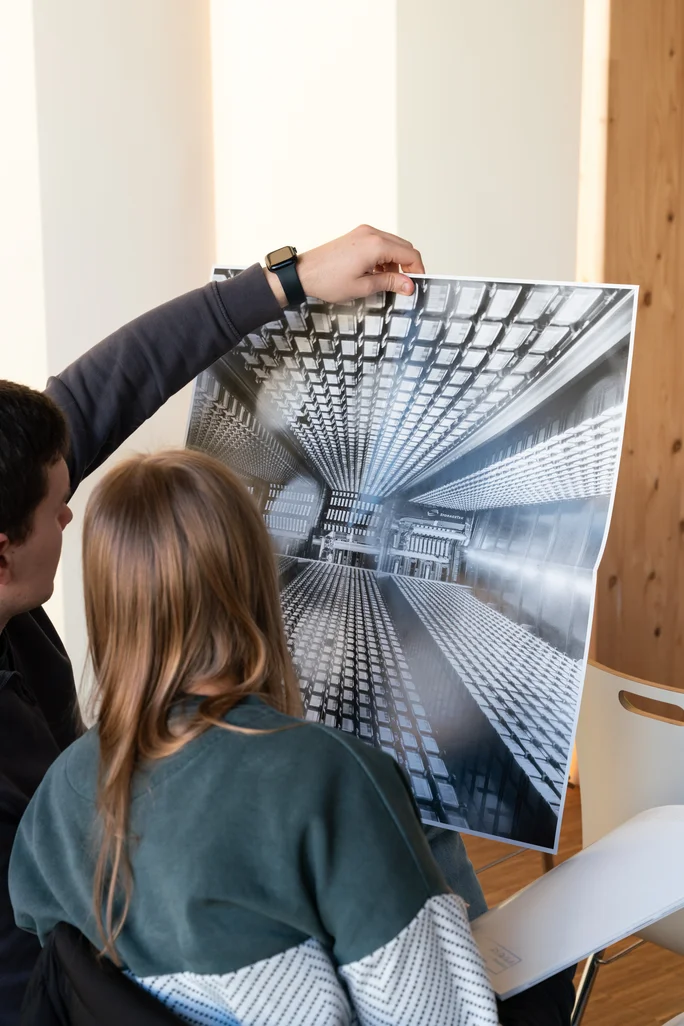
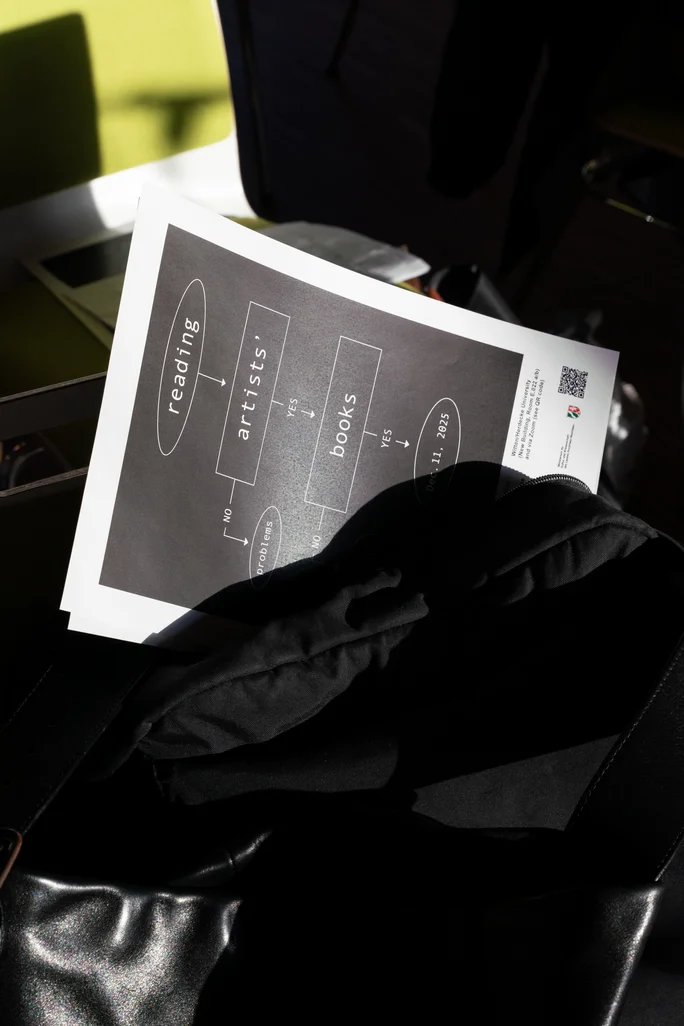
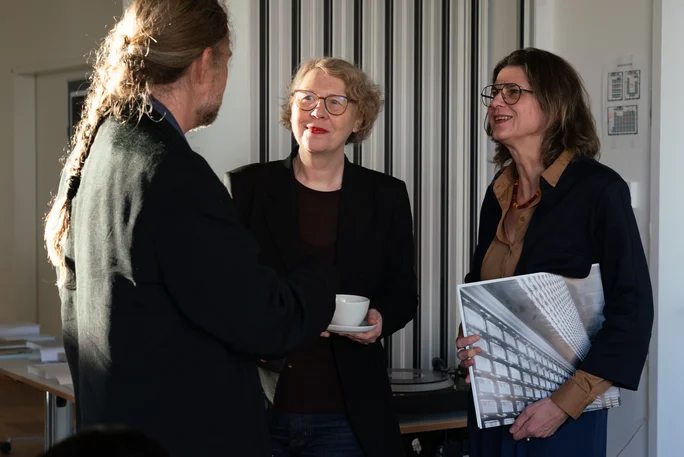
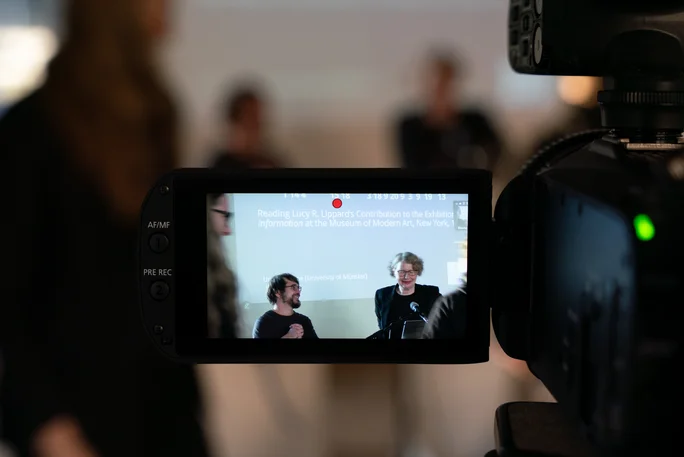
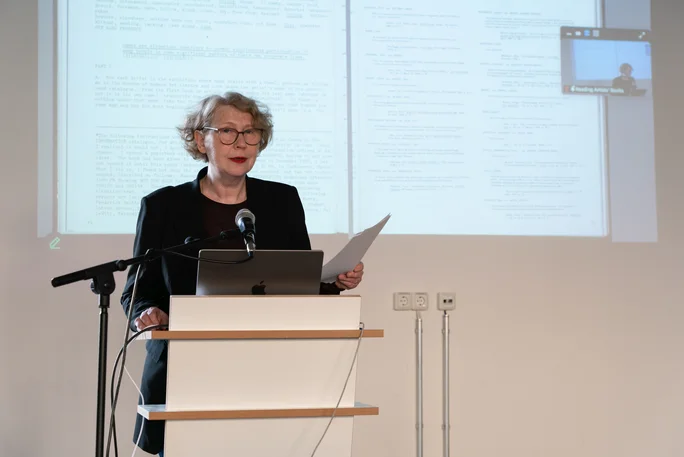
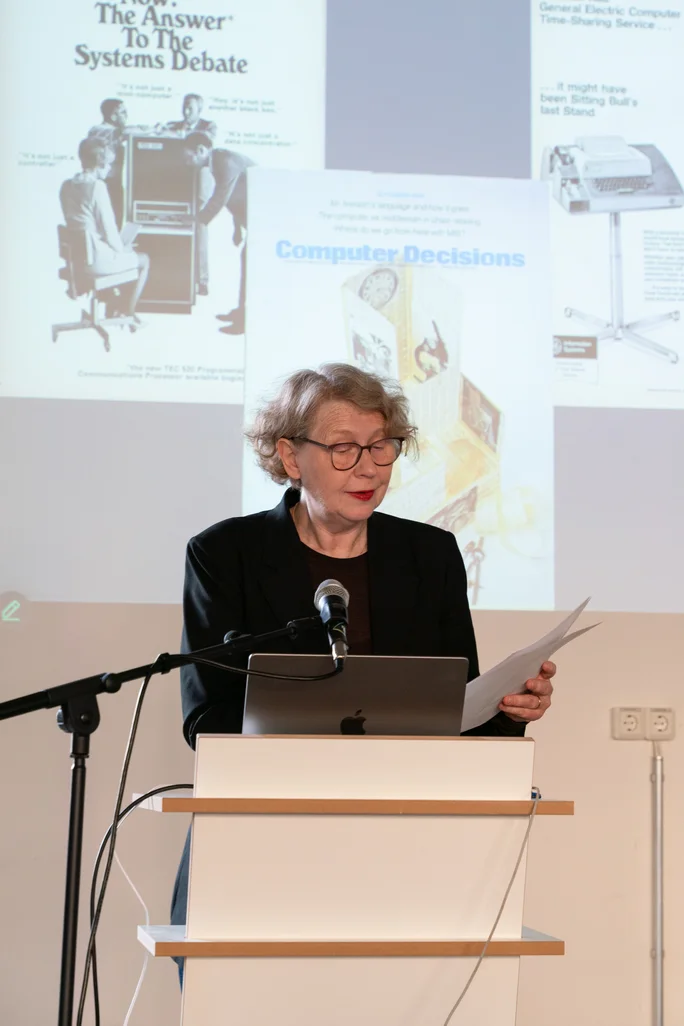
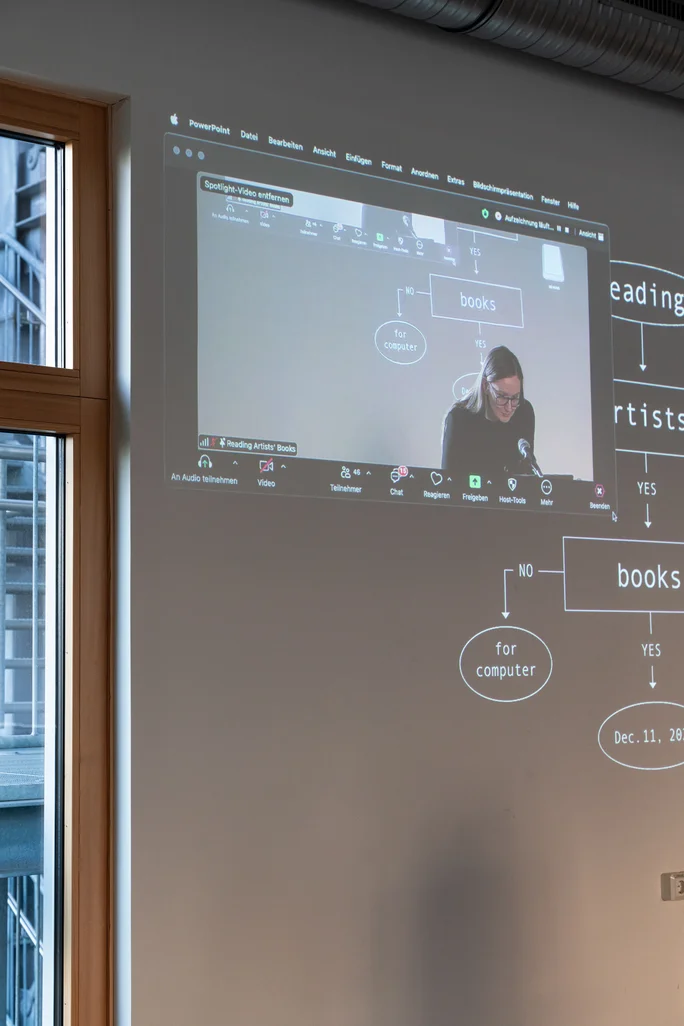
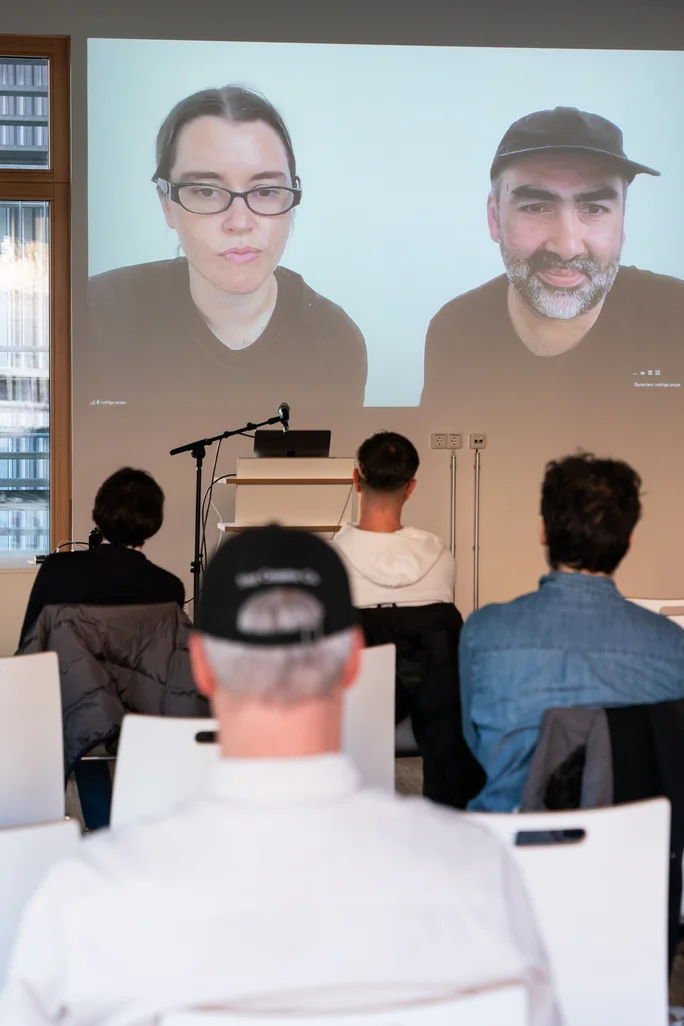
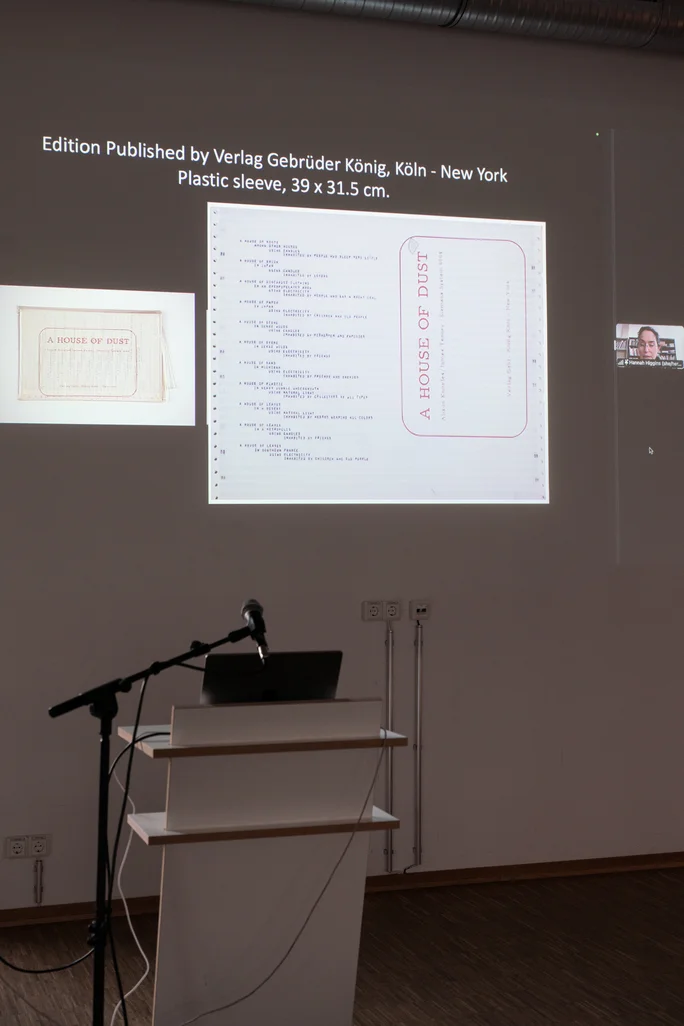
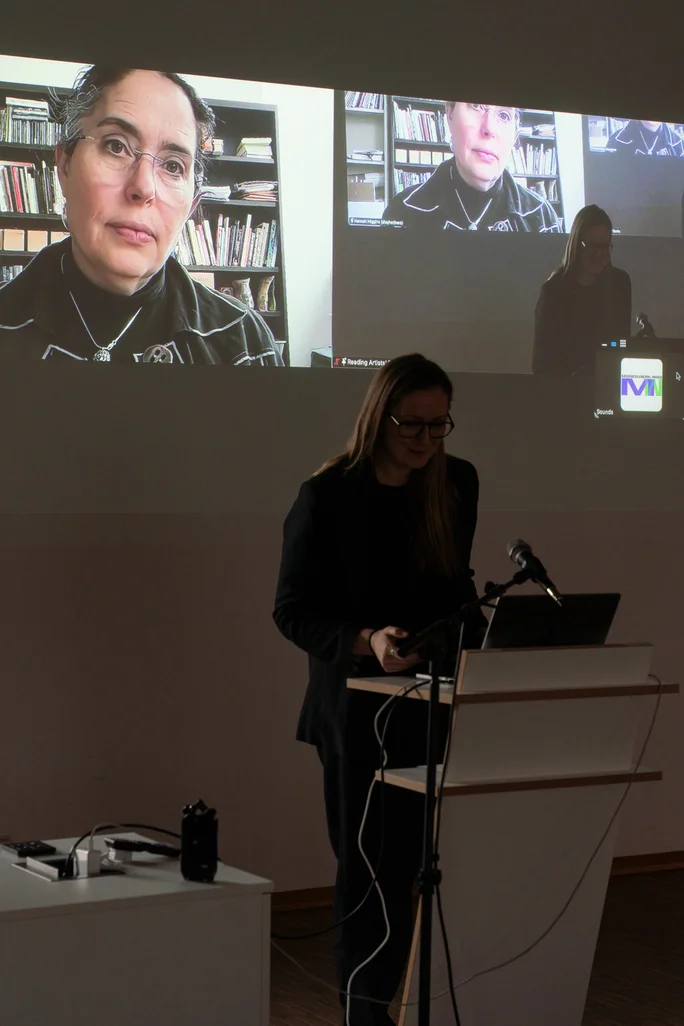
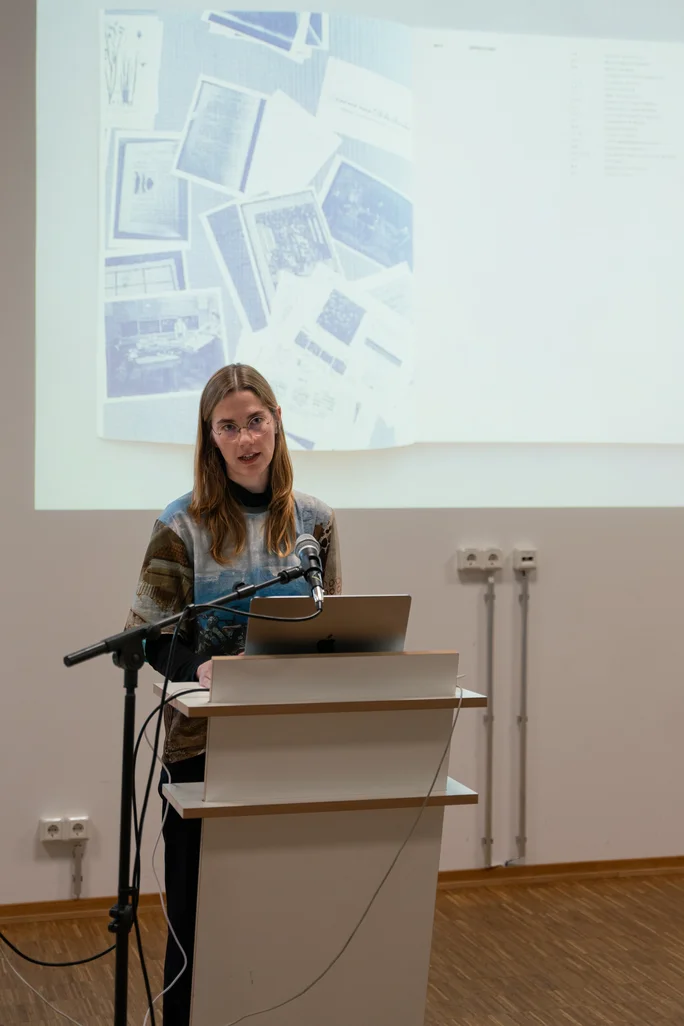
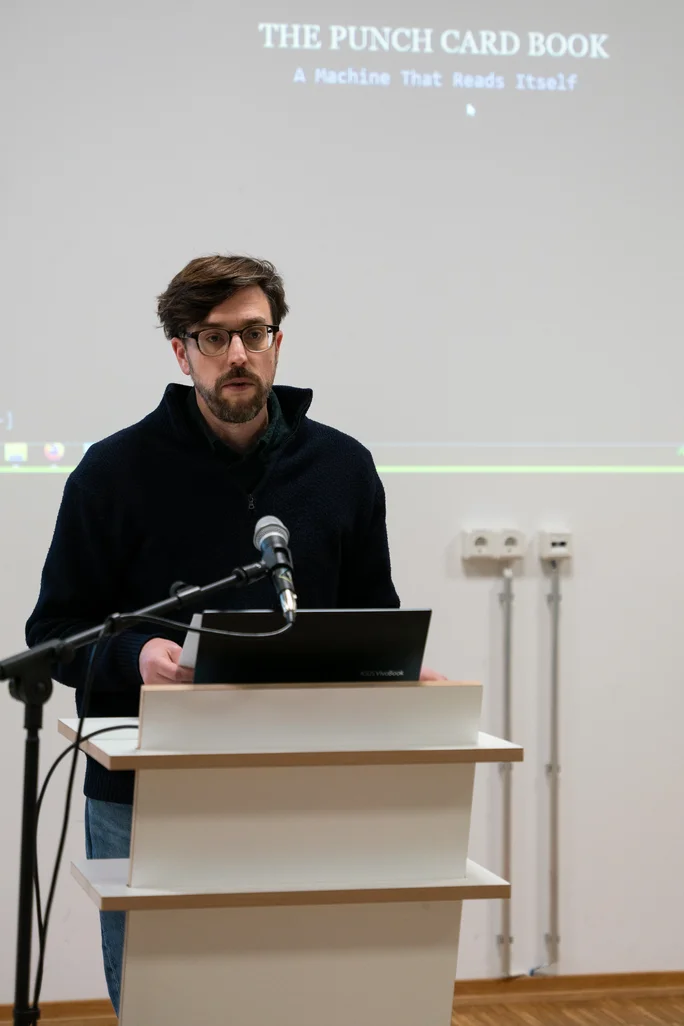
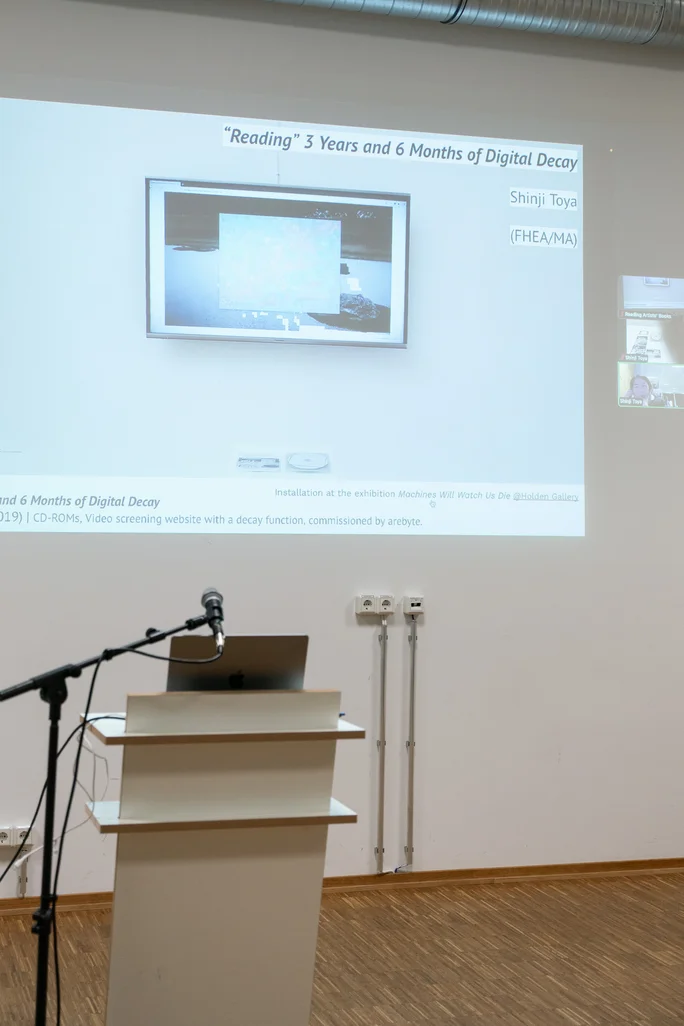
In the programme, artists, theorists, publishers and curators presented selected publications in short contributions (10-15 minutes) - including the art historians Hannah Higgins (Chicago), Margit Rosen (Karlsruhe), Ursula Frohne (Münster) and Constanze Fritzsch (Florence), the literary scholar Frank Fischer (Berlin), the designer and programmer Jürg Lehni (Zurich) and the artists:innen Antye Guenther (Rotterdam), Andreas Bülhoff (Hamm/Berlin) and Rodrigo Araya Yáñez (Santiago de Chile).
Programme schedule:
13:30 | Regine Ehleiter (on-site): Introduction, reading Stanley Brouwn, 100 this-way-brouwn-problems for computer IBM 360 model 95 (1969)
13:45 | Frank Fischer (online) reading Nanni Balestrini, "Tape Mark I" (1961)
14:00 | Constanze Fritzsch (online), A.R. Penck, Ich-Standart-Literatur (1971)
14:15 | Andreas Bülhoff (on-site) reading Reading Writing Interfaces - Word, InDesign, TextEdit (2022)
14:30 | Jürg Lehni (online) reading Things to Say (2009), Empty Words (2011), News (2011), Research Notes (2011)
14:45 | Antye Guenther (online) reading The Beheading of the Fruit Fly? (How will I know if you are truly a sentient being? (2022)
15:00-15:30 | Coffee break
15:30 | Ursula Frohne (on-site) reading Lucy R. Lippard's contribution to Information (MoMA, 1970)
15:45 | Hannah Higgins (online) reading Alison Knowles, A House of Dust (1969)
16:00 | Rodrigo Araya Yáñez (online) reading Entreactos: Ordenadores y sirvientes (2014-19)
16:15 | Gloria Hasnay (on-site) Key Operators. Weaving and coding as languages of feminist historiography (2024)
16:30 | Jonathan Harth (on-site) reading Ada Lovelace, Grades to her translation of Luigi Menabrea's Sketch of The Analytical Engine Invented by Charles Babbage (1842)
16:45 | Shinji Toya (online) reading 3 Years and 6 Months of Digital Decay (2016)
17:00 | Drinks Reception
Prerecorded videos available online through the project's Vimeo archive:
- Margit Rosen reading Manfred Mohr, Artificiata I (1969)
- Students reading Sophie Rentien Lando, Computers at Work. About Women in Computing (2019)
The event was organised by Regine Ehleiter, research assistant at the Chair of Digital Arts and Cultural Communication of the WittenLab. Zukunftslabor Studium fundamentale at Witten/Herdecke University and Senior Fellow of the Centre's Research Group, and took place in cooperation with the Office & Network for Media Art and Digital Culture medienwerk.nrw and theCentre's Research Group "Access to Cultural Goods in the Digital Transformation" at the University of Münster. The research group was funded by the German Research Foundation (DFG). The work of the medienwerk.nrw office was funded by the Ministry of Culture and Science of the State of North Rhine-Westphalia, on whose behalf it was responsible for coordination, professionalisation and advice in the field of media art. The medienwerk.nrw office is based at the HMKV Hartware MedienKunstVerein in Dortmund.
The Reading Artists' Books series was launched by Regine Ehleiter together with Tabea Nixdorff (Arnhem) in memory of the Chicago curator and librarian Doro Boehme, who died in 2020, and makes it possible to experience artistic publishing in public reading formats. Previous events have been dedicated to publications as a presentation medium for artistic writing practices(HGB Leipzig, 2022) and the topic of "Asemic Writing", based on works by the Argentinian conceptual artist Mirtha Dermisache(Freie Universität Berlin, 2024). Recordings of previous events can be found on the series' Vimeo channel.
The event language was English.
Contact us

Dr.
Regine Ehleiter
Researcher
WittenLab. Zukunftslabor Studium fundamentale | Chair for Digital Arts and Cultural Communication
- +49 2302 926 835
Orcid ID: 0009-0003-3786-5761
Alfred-Herrhausen-Straße 48
58455 WittenRoom number: 1.066