World DNA Day (April 25): Why There Are No True Look-Alikes—and Yet We See Them Anyway
Two people, one face? What seems like a curious coincidence is genetically highly improbable, but psychologically surprisingly plausible. Two experts from Witten/Herdecke University explain this.

Keira Knightley and Natalie Portman were mistaken for twins for years. Katy Perry and Zooey Deschanel are considered prime examples of celebrity doppelgangers. Such striking similarities are fascinating - and fuel the idea that somewhere in the world there must be a second self.
But from a scientific point of view, this assumption is misleading. Genuine doppelgangers - genetically identical, unrelated people - are virtually non-existent.
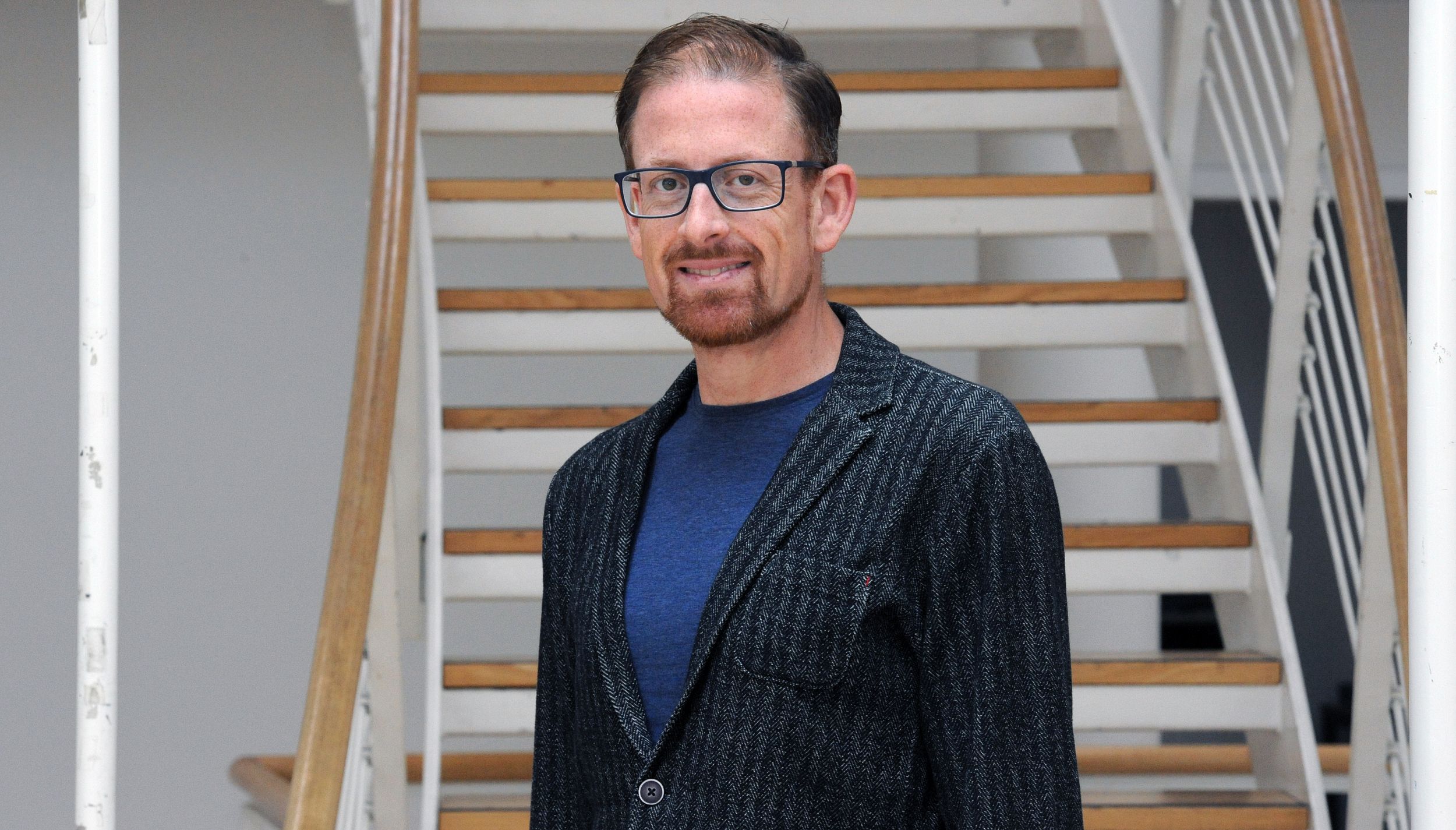
"The human gene pool is a treasure trove of biological diversity - and that is precisely why true doppelgangers are genetically almost impossible," says Prof Dr Jan Postberg, Professor of Clinical Molecular Genetics and Epigenetics at Witten/Herdecke University (UW/H).
Why sameness is extremely unlikely
Genetically identical people do exist - but only as identical twins and, in rare cases, triplets. In all other cases, every person is unique. This is due to the principle of heredity. The genetic material is recombined with each generation, maternal and paternal chromosomes are "re-puzzled". This results in significant differences even within a family.
What's more, any two people differ on average in millions of places in their genome - i.e. their entire genetic information, which is stored in the DNA. DNA can be imagined as a long blueprint consisting of many individual "building blocks". In many areas of this blueprint, these building blocks differ from person to person. It is precisely these differences that cause people to differ in their appearance, metabolism or susceptibility to certain diseases, for example.
At the same time, our external appearance is only shaped by a comparatively small proportion of our approximately 20,000 genes - especially those that influence facial features, skin, hair and eye colour or body proportions. These characteristics arise through the interplay of many genetic variants within a limited developmental-biological framework, so that certain combinations of external characteristics can occur again and again, which are then perceived as similarities between different individuals.
Why we still see similarities
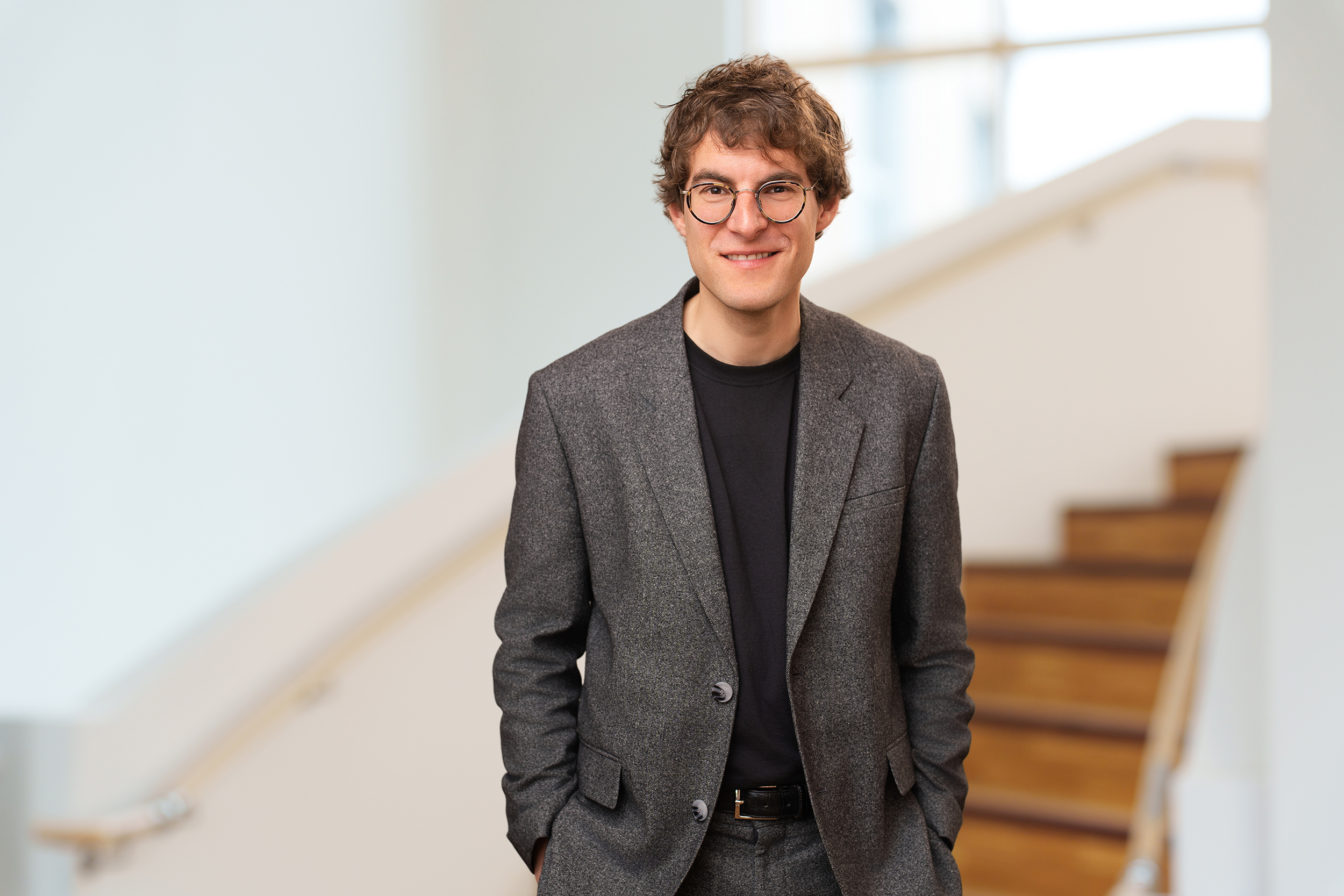
Nevertheless, many people are convinced that there are doppelgangers. The reason for this lies less in genetics than in our perception. "We massively overestimate how well we can recognise faces," says Prof. Dr Jan Philipp Röer, holder of the Chair of General Psychology at UW/H.
In fact, this ability varies greatly: some people - so-called "super-recognisers" - can remember faces extremely accurately and recognise them even after a long time. Others suffer from facial blindness (prosopagnosia) and have great difficulty even recognising familiar people. Most people fall somewhere in between and rely on shortcuts in their heads.
How our brain processes faces
Our brain does not analyse faces like a checklist of individual features. It processes them as an overall picture - including facial expressions, hairstyle, posture and context. This so-called holistic processing enables quick decisions ("do I recognise" or "do I not recognise"), but is prone to errors.
"We often don't recognise people by their face alone," says Röer. "If we suddenly see the supermarket shop assistant on the bus, for example, we find it difficult to categorise her." What's more, memories don't store faces exactly, but in simplified form. The brain fills in missing details retrospectively - and reinforces similarities in the process.
What appears to be a doppelganger is therefore usually not a genetic phenomenon, but a perceptual effect - a combination of similar features, context and the expectation of recognising someone.
Photos for download


Contact person
Svenja Malessa
Press Officer
Administration | Communication & Marketing
Alfred-Herrhausen-Straße 48
58455 Witten
Room number: 2.F05