World Obesity Day on March 4: The hype surrounding weight loss injections is over—what remains?
After more than two and a half years, Prof. Dr. Klaus Weckbecker from Witten/Herdecke University takes stock and explains what these drugs can really do.
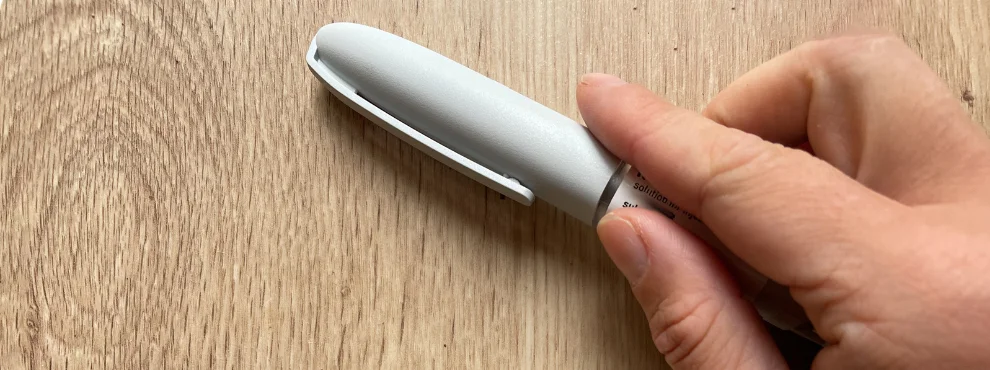
- The effectiveness of the slimming injection is overestimated and the side effects have long been underestimated.
- The current price of the slimming injection is not in good proportion to the effect.
- Expert from Witten/Herdecke University calls for a balanced diet for children and more exercise programmes
Around a quarter of all adults in Germany are obese - and the trend is rising[1] Since July 2023, Wegovy - the brand name for the higher-dose semaglutide - has been approved in Germany as a weight loss drug. Semaglutide, which became known colloquially as the "weight loss injection", slows gastric emptying, increases the feeling of satiety and reduces appetite. Clinical studies had shown weight loss of up to 15 per cent of body weight - a promise that raised the expectations of many sufferers and the public. Demand quickly exceeded production capacity, although statutory health insurance companies did not cover the costs of up to 300 euros per month.
Two and a half years later, the assessment is sober. "The hype has died down, because we can now see that the effectiveness was overestimated from the outset and the risk of side effects underestimated," says Prof Dr Klaus Weckbecker, Chair of General Practice I and Interprofessional Care at Witten/Herdecke University (UW/H) and a practising GP. These drugs are mainly prescribed to people who suffer from type 2 diabetes and are overweight or obese, i.e. have a BMI of over 30.
What weight loss injections can really do - and what they can't
One finding from more than two years of practical experience surprises Weckbecker himself: "I find it interesting that the preparations mainly help with food cravings. Many patients now openly report how much these attacks have bothered them - I had underestimated that." This effect on the feeling of satiety and impulse control when eating is a real relief for many sufferers.
However, weight loss is not automatic. "Many people don't lose weight at all," the general practitioner clarifies. "Weight loss only comes when people also change their diet. The medication can be a kind of crutch - but the main effort lies with the patient." Those who do not change their lifestyle risk returning to their original weight after stopping the drug. However, the long-term course of the disease remains to be seen.
Prevention of obesity more important than medication
Weckbecker urges caution in the social debate on obesity. It is true that high weight is a risk factor for many diseases. But: "We have to be careful that we don't press everyone into a norm and turn everything that lies outside this norm into a disease." For him, general practice always means applying the available knowledge to the individual person - and avoiding stigmatisation.
He sees the greatest need for political action not in the reimbursement of expensive medication, but in prevention: balanced school meals, more exercise programmes for children and young people, clearer food labelling. And he brings a sugar tax into play - combined with a reduction in the cost of healthy foods. "Studies show that taxes can influence eating habits," says Weckbecker.
Contact person

Svenja Malessa
Press Officer
Administration | Communication & Marketing
Alfred-Herrhausen-Straße 48
58455 Witten
Room number: 2.F05