Better recognise mental disorders in people with intellectual disabilities: Researchers at Witten/Herdecke University publish central diagnostic manual in German for the first time
The manual makes it easier to make precise diagnoses and thus helps to close a gap in care.

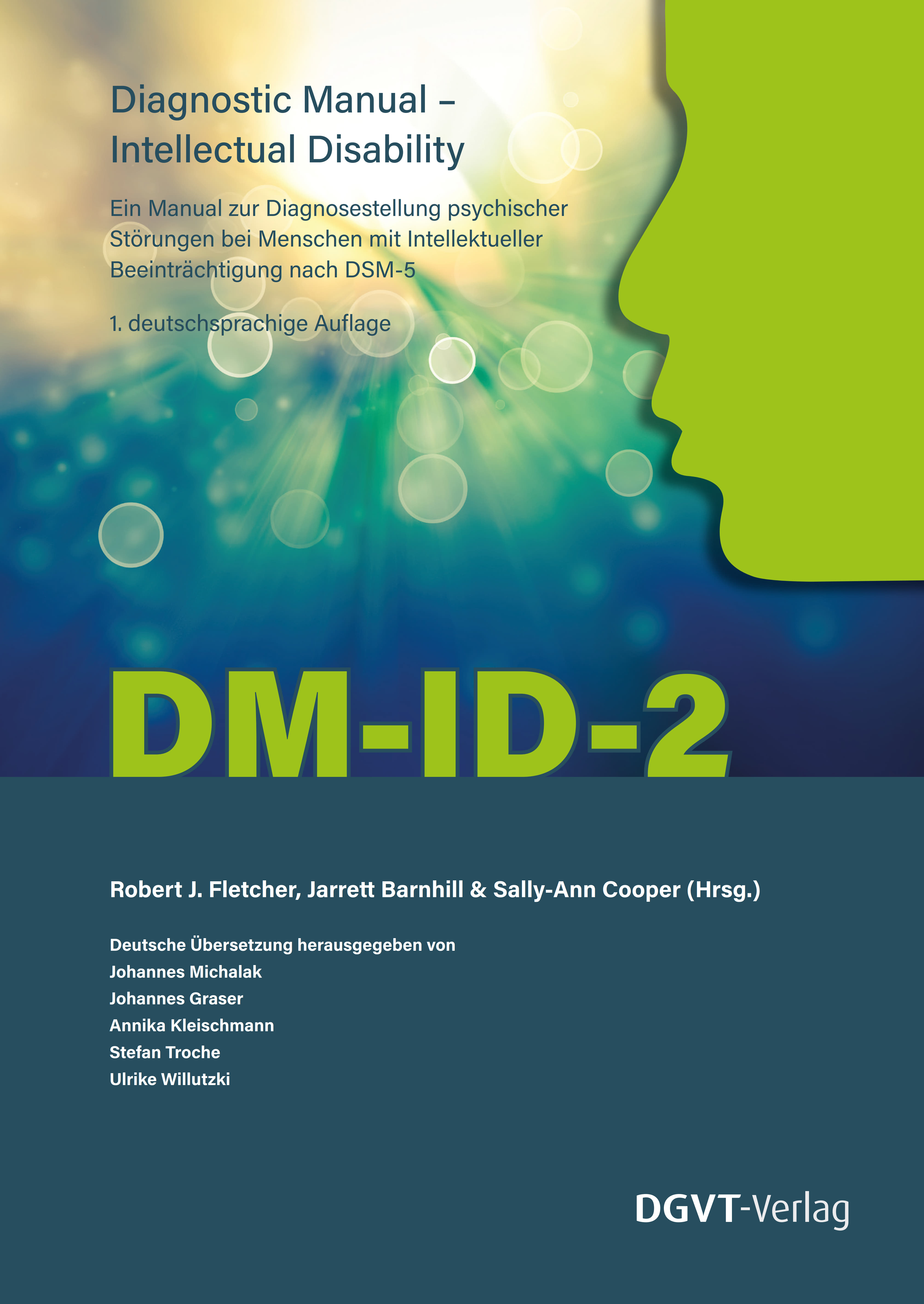
People with intellectual disabilities have an increased risk of also suffering from a mental disorder. Nevertheless, mental illnesses are often not diagnosed in this group of people, or only diagnosed at a later stage. With the recently published translation of the "Diagnostic Manual - Intellectual Disability, Second Edition" (DM-ID-2), researchers at Witten/Herdecke University (UW/H) are making an internationally established diagnostic standard available to the German-speaking specialist public for the first time, thereby helping to close a gap in care.
In Germany, psychiatric diagnoses are predominantly made according to the "International Statistical Classification of Diseases and Related Health Problems" (ICD-10, prospectively ICD-11); internationally, the "Diagnostic and Statistical Manual of Mental Disorders" (DSM-5) of the American Psychiatric Association is also authoritative. Both works comprehensively depict mental disorders with their characteristics and criteria - but primarily for people without intellectual impairment.
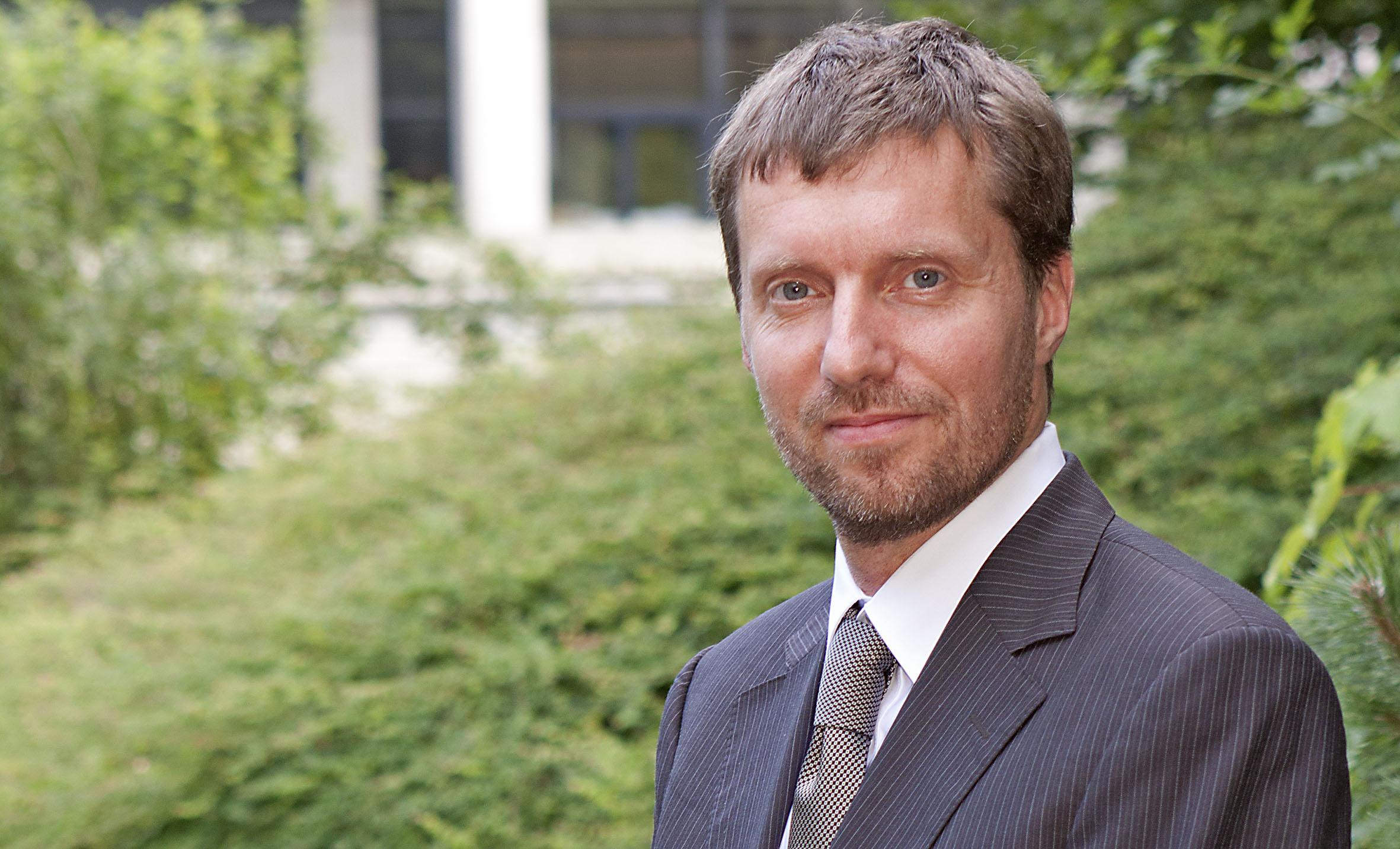
"However, the symptoms of mental disorders often manifest themselves differently in this group of people," says Prof Dr Johannes Michalak, Chair of Clinical Psychology and Psychotherapy II at the UW/H and one of the five editors of the German DM-ID-2. "The manual sensitises professionals to these changes in the manifestation of disorders. A depressive episode, for example, is often expressed by irritable mood and restlessness in people with intellectual disabilities."
Mental illnesses often go unrecognised
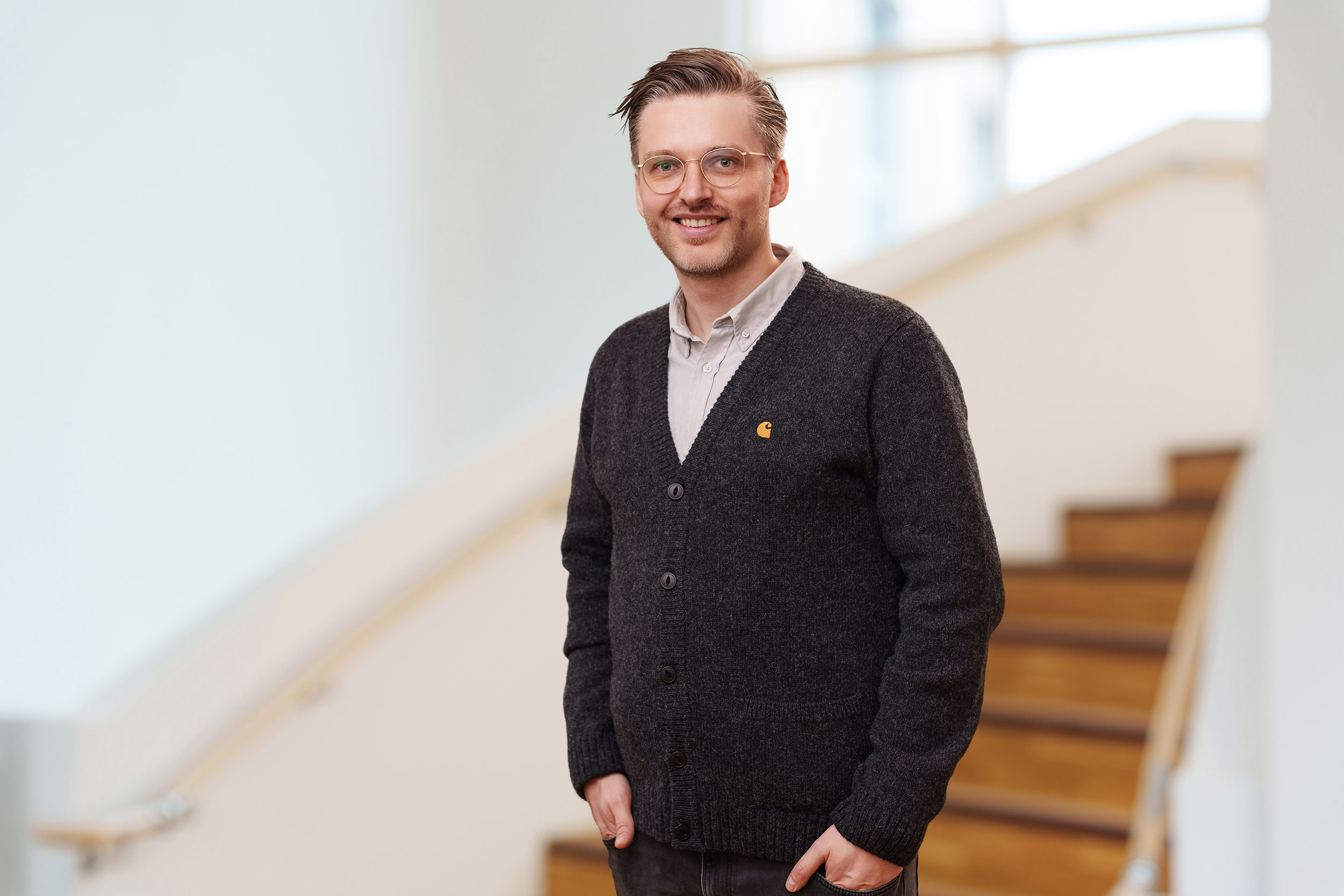
Limited verbal expression and reduced opportunities for self-reflection make a classic diagnosis even more difficult. "And this is often compounded by diagnostic overshadowing," adds Dr Johannes Graser, academic staff member at the Chair of Clinical Psychology and Psychotherapy II and another editor of the German DM-ID-2. "Abnormal behaviour is prematurely interpreted as an expression of intellectual impairment, while the actual mental illness behind it remains undetected."
Yet studies show that mental disorders are common in people with intellectual disabilities. At the same time, there are considerable barriers to accessing psychotherapeutic care. Many practitioners feel inadequately prepared or reject enquiries due to a lack of expertise.
The DM-ID-2 aims to remedy this situation. It is not an independent classification system, but a targeted adaptation of the DSM-5 diagnostic criteria for people with intellectual disabilities. It also takes into account the severity of the impairment - from mild to moderate to severe. The researchers at the UW/H are currently developing the German translation of a supplementary interview guide for the DM-ID-2, which can be used to interview those affected directly.
Classification in research, teaching and care
The translation of the DM-ID-2 is embedded in a comprehensive teaching and research specialisation at the UW/H: it is one of the few universities in Germany whose psychology department deals with psychotherapy and mental disorders for and in people with disabilities. At the Centre for Mental Health and Psychotherapy (ZPP), therapy places are available for this group of people and the researchers are looking at barriers to participation in psychotherapy, among other things. A handbook on the treatment of mental illness in people with intellectual disabilities will also be published in summer 2026.
With the German-language publication of the DM-ID-2, psychotherapists, psychiatrists and professionals in relevant care facilities now have a central tool at their disposal to recognise mental disorders in people with intellectual disabilities in a more differentiated way. This creates an essential prerequisite for reducing care deficits and further realising the right to equal access to mental health care.
Further information:The "Diagnostic Manual - Intellectual Disability. A Manual for the Diagnosis of Mental Disorders in People with Intellectual Disability according to DSM-5" has been published by DGVT-Verlag. The editors of the German edition are Prof. Dr Johannes Michalak, Dr Johannes Graser, Dipl.-Psych. Annika Kleischmann, Prof. Dr Stefan Troche and Prof. Dr Ulrike Willutzki.
Photos for download


Contact person

Svenja Kurth , M. A.
Team Leader Communication
Administration | Communication & Marketing
Alfred-Herrhausen-Straße 48
58455 Witten
Room number: 2.F05 | 2.028