
WittenLab. Zukunftslabor Studium fundamentale
Quality management
Quality assurance through continuous evaluation and sustainable development
High-quality teaching requires constant reflection and further development. At the WittenLab. Zukunftslabor Studium fundamentale, we understand quality assurance as a dynamic process based on intensive dialogue with teachers and students as well as sound empirical findings. Our aim is to promote dialogue and to initiate sustainable improvements through systematic evaluation that will increase the quality of teaching and learning in the long term.
Why are evaluations and quality management so important?
For the students: Evaluations ensure that their needs are recognised and taken seriously. They are given the opportunity to actively participate in improving their study and learning conditions.
For the teachers: Teaching staff benefit from differentiated feedback that helps them to further develop their teaching and respond specifically to the needs of students.
For the university: Systematic evaluations enable sustainable quality improvements to be achieved, innovative teaching methods to be promoted and university-wide comparative data to be obtained. This strengthens the university's position as an excellent educational centre.
Systematic evaluation as a basis for further development
Our quality assurance strategy is based on a multi-stage evaluation structure that combines both quantitative and qualitative empirical methods (cf. Deming 1982, see figure).
1) UWE evaluations at the end of the semester
This standardised, university-wide survey at the end of each course enables cross-faculty comparison and provides comprehensive feedback on the overall impression of the course. We have also developed specific additional questions that specifically address the needs and special features of Studium fundamentale (Stufu).
2) Interim evaluations
In addition to the final evaluation, we offer a qualitative interim evaluation in the middle of the semester. This serves the ongoing optimisation of the course and is based on the Teaching Analysis Poll (TAP ), consisting of three open questions:
- What do you learn most from in the course?
- What makes your learning more difficult?
- What suggestions do you have for improvement?
The answers are anonymised and passed on to the teachers in a structured form. This gives them the opportunity to respond specifically to students' needs during the semester and adapt their teaching promptly. Participation in the interim evaluation is voluntary, but enables a valuable differentiated assessment of the current course.
3) Special evaluations
Special evaluations can be used to address extraordinary issues and needs. For example, special student and lecturer surveys have already taken place, the results of which have been implemented in WittenLab practice (e.g. "Meine-UW/H", new teaching formats, exchange formats, etc.). The special surveys are also used to obtain customised information as part of the development of new teaching formats (e.g. "accompanying seminar on student engagement and initiative work" and new lab formats).

Sustainable implementation of findings
The insights gained from the evaluations are continuously incorporated into the planning for the coming semester. By closely monitoring and proactively adapting our quality assurance measures, we can react flexibly to current challenges and initiate long-term improvement processes. In this way, we ensure that the WittenLab. Zukunftslabor Studium fundamentale remains an inspiring, learning-promoting and innovative space for teachers and students.
Contact persons
Please contact us if you have any questions or suggestions on the subject of quality management. We will also be happy to provide you with more detailed insights into the results of our evaluations.
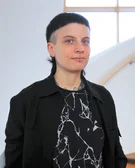
Dr.
Svenja Hartwig
Researcher
WittenLab. Zukunftslabor Studium fundamentale
Alfred-Herrhausen-Straße 50
58448 WittenRoom number: Holzbau 1.F03.4

Katja Weber , M. A.
Researcher
WittenLab. Zukunftslabor Studium fundamentale
Alfred-Herrhausen-Straße 50
58455 Witten