More independence with diabetes – the "GaDiaKi" innovation fund project empowers children and relieves families
Under the direction of Witten/Herdecke University, the training program is integrated into the everyday lives of those affected.
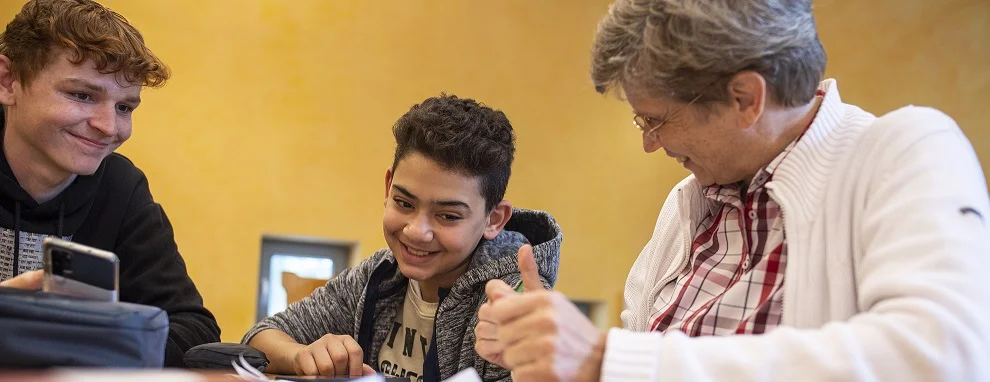
How can children and adolescents with type 1 diabetes learn to deal with their disease safely and independently at an early age - and how can families be better supported? These questions are at the centre of the research project "Holistic interdisciplinary diabetes group training for children" (GaDiaKi) at Witten/Herdecke University (UW/H).
Type 1 diabetes is one of the most common chronic metabolic diseases in children and adolescents. Age-appropriate training is crucial in order to manage everyday life with the disease independently and avoid secondary diseases. At the same time, fewer and fewer diabetes group training programmes suitable for children have been offered in Germany in recent years. GaDiaKi addresses precisely this gap in care.
Diabetes training in the everyday lives of children and young people instead of in clinics
The aim of the project is to transfer the training concept previously tested in Witten to paediatric diabetes centres and develop it further. The staff in the centres can then carry out training sessions themselves with affected children and young people in settings close to everyday life - for example in youth hostels or family education centres.
The interprofessional team from the disciplines of paediatric and adolescent diabetology, psychology, social pedagogy and nutritional counselling is complemented by young adults with type 1 diabetes. They contribute their own experiences and support both the professionals and the participating children and adolescents.
The researchers expect that the approach of carrying out training in the children's everyday lives will increase therapy satisfaction, strengthen the independence of the young people affected and at the same time reduce the parents' fear of hypoglycaemia.
GaDiaKi's effectiveness is being scientifically tested
In order to reliably test the effects of the concept, training groups of 15 to 20 children and adolescents are accompanied throughout Germany for five to seven days at locations close to everyday life. A comparison group of the same size will receive the standard treatment - this means that the children will be trained as before on an outpatient basis or in small groups as inpatients in paediatric diabetes centres or clinics. Both groups are compared with each other every six months - among other things in terms of treatment satisfaction, concern about hypoglycaemia and the number of inpatient hospital stays.
The project is being funded over three years with a total of around 4.4 million euros from the Joint Federal Committee's Innovation Fund.
Kick-off for the project takes place at the UW/H
To kick off the project, a kick-off meeting will take place on campus at the UW/H on Friday, 27 February 2026, from 10:00 to 16:00. Children's and adolescent diabetes training centres, young adults with type 1 diabetes, affected parents, students, scientists and other interested parties are invited.
Please register for the kick-off meeting at gadiaki@uni-wh.de.
Project key dates:
- Duration: 01.02.2026 - 31.01.2029
- Subject areas: Cooperative and interprofessional care models with further developed task sharing between different healthcare professions and service providers
- Regions of intervention: nationwide
- Project website: https://www.uni-wh.de/gadiaki
Funding and consortium partners





Photos for download

Contact person

Svenja Malessa
Press Officer
Administration | Communication & Marketing
Alfred-Herrhausen-Straße 48
58455 Witten
Room number: 2.F05