Why Women's Hearts Need to Be Examined Differently Than Men's Hearts
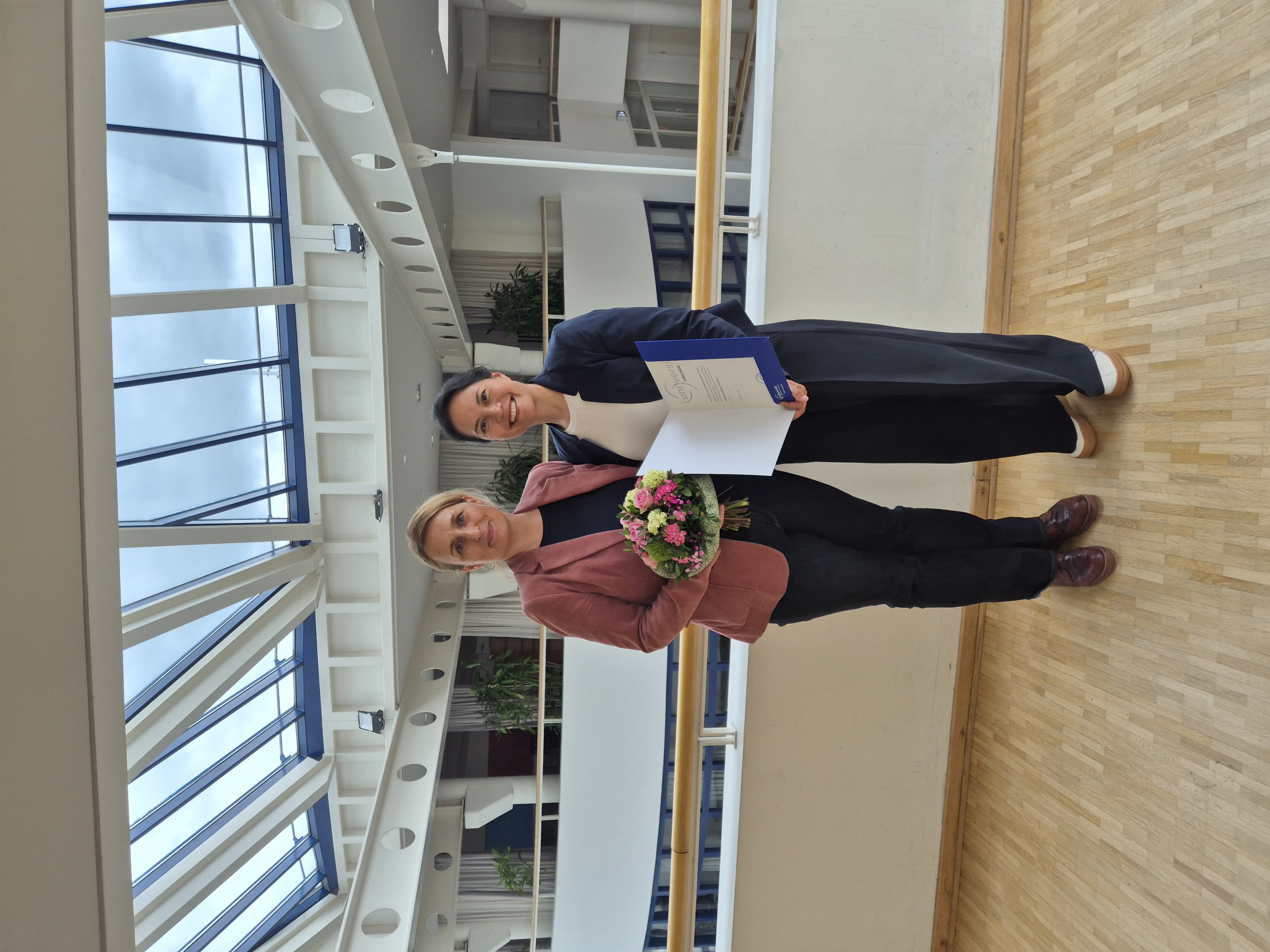
Prof. Dr. Nadine Abanador-Kamper has been appointed to the Chair of Cardiology, with a focus on “Cardiac Imaging,” at Witten/Herdecke University.
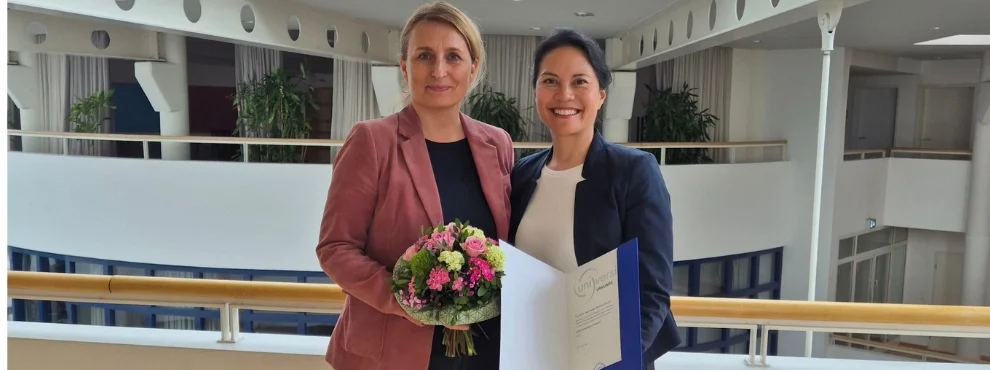
Sudden chest pain, shortness of breath, symptoms similar to those of a heart attack, triggered by extreme emotional or physical stress: ‘Broken Heart Syndrome’ is a serious heart condition that is still frequently underestimated. Prof. Dr Nadine Abanador-Kamper is conducting research at Witten/Herdecke University (UW/H) into how the condition can be detected at an early stage and treated more effectively. Dr Abanador-Kamper has been appointed to the Chair of Cardiology, specialising in ‘Cardiac Imaging’.
Broken-heart syndrome, medically known as Takotsubo syndrome, leads to acute dysfunction of the heart muscle and its symptoms resemble those of a classic heart attack. However, with the help of modern imaging techniques such as magnetic resonance imaging (MRI), the condition can be detected at an early stage and distinguished from other life-threatening heart conditions. “Particularly in acute situations, rapid and precise diagnosis is crucial for optimising patient care,” says Prof. Dr Abanador-Kamper.
One focus of her research is therefore on cardiac imaging in acute heart conditions. At the same time, her research group is investigating gender-specific differences in diagnosis and care.
This is because broken heart syndrome predominantly affects women and – like many other heart conditions – manifests itself differently in women than in men.
Nevertheless, for decades, cardiology has been primarily oriented towards male symptoms and disease progression. The consequences are still being felt today: “Heart disease in women is sometimes still diagnosed later or classified differently,” explains Prof. Dr Abanador-Kamper. “That is why it is important that we understand how treatments can be tailored more specifically to women.”
How modern imaging and AI are transforming training in cardiology
Prof. Dr Abanador-Kamper also aims to integrate current developments more firmly into teaching. At the UW/H, she coordinates teaching at the Chair of Cardiology and teaches students how to make effective use of modern cardiac imaging techniques. “The importance of cardiac cross-sectional imaging has grown enormously in recent years and is now reflected in numerous international guidelines,” she says. This knowledge is now just as much a natural part of the training of future doctors as basic knowledge of the ECG.
In addition, she is exploring how artificial intelligence can assist in the analysis of complex image data in the future. This is because the combination of modern imaging and AI opens up numerous new possibilities for research and clinical care.
Photos to download

Contact person

Svenja Malessa
Press Officer
Administration | Communication & Marketing
Alfred-Herrhausen-Straße 48
58455 Witten
Room number: 2.F05