Taking a holistic approach to care
Institute for Integrative Healthcare and Health Promotion (IGVF)
Putting people first
The Institute for Integrative Healthcare and Health Promotion (IGVF) focuses entirely on people in its research, teaching and practice. The health of the individual is at the heart of everything we do. Our guiding principle – the holistic-integrative approach – shapes our work in the areas of integrative care, prevention, health promotion and behavioural change.
The aim of our work is to enable people, at both an individual and a systemic level, to discover and strengthen their personal resources and potential. We therefore explore, amongst other things, the concepts of the ‘inner doctor’, as well as connectedness and mindfulness.
Our background
Collaboration within our multidisciplinary team, together with our links to national and international research networks, enables us to gain a comprehensive understanding of people and their needs from a variety of perspectives.
Our approach
Our interdisciplinary, pluralistic work aims to provide impetus for practice through innovative – including digital – developments, models and applications, thereby creating an evidence-based, person-centred approach to healthcare (and beyond). In doing so, we consider not only the biological, psychological and social dimensions of health, but also the spiritual and cultural aspects that play a role in people’s lives.
Our aim
For us, people and their social environment are at the heart of everything we do. We are rising to the challenge of implementing patient-centred and integrative approaches within our healthcare system. In doing so, we are focusing on improving primary care, promoting health more effectively, reducing communication issues between different care providers, and increasing satisfaction among patients and healthcare professionals.
News and Events
Newsletter
At regular intervals, our staff introduce themselves and provide insights into their respective research projects. We also provide information on our team’s latest publications and report on our involvement in teaching and professional practice. In addition, you can find the latest news about our institute. You can download the latest issues here.
If you would like to subscribe to our newsletter, please feel free to contact us by email at igvf@uni-wh.de, and we will add you to our mailing list.



Innovative research for patient-centred healthcare
In the field of science, we are motivated by the joy of learning, of making progress, and of a healthcare system that focuses on potential and resources. For us, research is an essential component in driving forward practical and targeted learning and innovation processes. The benefits of research should be clearly recognisable and accessible to the healthcare system and all those involved.
Our focus is on health and health research. We are also interested in researching diseases and care processes, as well as analysing coordination and integration mechanisms. We are driven by the question of how outpatient primary care in Germany can be improved in a patient-centred way.

Current research projects
Completed research projects

Publications
All publications by the Institute for Integrative Healthcare and Health Promotion at UW/H are included in the university bibliography.
Holistic healthcare in education
At the IGVF, students are expected to understand the principles behind holistic healthcare and health promotion, and to experience them in practice. This is achieved through a variety of teaching methods and direct contact with local experts. In addition to theoretical knowledge, the institute also teaches practical skills for teamwork and coordinated care in outpatient medicine.
Courses
As part of the model degree programme in Medicine, the Institute introduces students to the topics of ‘prevention and health promotion’. It is also involved in designing teaching modules on ‘soft skills’ and outpatient healthcare. Students learn the fundamentals of mind-body medicine, take part in self-awareness exercises and familiarise themselves with working in the Institute’s outpatient clinic. In addition, the Institute offers an elective module on integrative medicine, which covers both Eastern and Western medical practices and presents the latest research findings.
Learning through practice: the university outpatient clinic as a place of learning
Students can undertake placements at the institute’s outpatient clinic, thereby gaining experience in general practice and integrative medicine. There are also opportunities for work shadowing and clinical placements for students from other universities and disciplines. A special teaching programme provides access to the weekly case discussions at the university outpatient clinic, where students can witness the practical application of integrative medicine first-hand. Students from the fifth semester onwards have the opportunity to undertake a one-semester observation placement.
Health promotion course
For the first time this term, students on the LIC (Longitudinal Integrated Clerkship) programme are taking part in a health promotion course run by the IGVF. In October, the third cohort of nine students began the programme, which enables them to learn clinical subjects in a context-based, practice-oriented and responsibility-focused manner through longitudinal shared care and case-based seminars. Through practical exercises, self-reflection and discussion with fellow students, the course helps, as a first step, to promote the students’ own health and to gain experience in areas such as relaxation techniques, behavioural change, healthy eating and mindfulness. In the next step, however, this can also lead to the development of enhanced skills among the trainee doctors in areas such as communication, the doctor-patient relationship, health promotion and integrative medical treatment methods. The eight modules of the classic BERN course by Prof. Dr T. Esch are integrated into the LIC students’ timetable throughout the semester, enabling them to engage with the topics over a period of five months and giving them time to familiarise themselves with the new exercises and approaches.
Academic work during medical studies
The IGVF offers topics for academic project work as part of the medical degree programme and provides supervision for these projects. Students can join an ongoing research project and develop a research question under supervision. The results are presented in the form of posters at the ‘Young Academics’ Day’. Those interested can apply by email, including a letter of motivation.
Doctorates
Our multi-professional team focuses on integrative medicine and health promotion. This includes the integration of person-centred and empowerment-based approaches into primary care, for example in our university outpatient clinic. Our focus is on mind-body medicine, including research into resources for health-promoting behavioural change, such as mindfulness and connectedness. Other key topics that we address on an interdisciplinary basis include, for example, the doctor-patient relationship and its digitalisation, as well as happiness and life satisfaction. In our projects, we place great importance on the active involvement of various stakeholders relevant to society.
Doctorates can be completed leading to various doctoral degrees in the field of human medicine (Dr. med., Dr. med. dent. and Dr. rer. medic.) as well as psychology (Dr. phil.). At the heart of the doctoral programme is the preparation of a doctoral thesis, which must include at least two published articles in English in recognised, internationally ranked peer-reviewed scientific journals.
Current IGVF PhD projects
Awad, Danny: BERN Advanced Course: Evaluation of an advanced health promotion course in an outpatient GP setting
According to the World Health Organisation (WHO), chronic diseases and chronic stress are among the most significant health issues of the 21st century. Cost-effective and effective treatment methods for chronic diseases and chronic stress are necessary to reduce the risk of illness and address the health challenges of the 21st century. The BERN multimodal stress management programme is one such treatment method and was co-developed by Prof. Dr Tobias Esch at Harvard Medical School (Boston, USA). Since its foundation in 2018, the University Outpatient Clinic for Integrative Healthcare and Naturopathy (UniG) has been offering regular BERN courses. Building on the intervention provided by the eight-week BERN basic course, UniG patients are offered a follow-up intervention – the BERN advanced course (BERN-VK) – as a follow-up tool (refresher). The BERN-VK takes place once a month over a seven-month period, following a break of at least three months after completion of the eight-week basic course. The primary aim of the BERN-VK is to ensure that the changes in health behaviour initiated by the basic course are sustainably embedded in the participants’ everyday lives.
The theoretical foundation of the BERN-VK is the Behaviour Change Resource Model (BCRM) developed by Michaelsen & Esch. This serves as the theoretical framework for the design of the BERN-VK. The study design follows a mixed-methods approach. On the one hand, questionnaires administered at three measurement points (immediately before and after the intervention, and three months after its completion) are used to measure the effect sizes of the BERN-VK, which can then be compared, amongst other things, with the effect sizes of the basic BERN intervention. The quantitative survey primarily examines the effects in terms of changes in the areas of mindfulness, stress and resilience, as well as in dietary, physical activity and relaxation behaviours.
In addition, qualitative individual interviews are conducted following the course intervention. Using an interview guide derived from the research questions, the focus is on exploring participants’ motivations, resources, stressors, (sustainable) changes in health behaviour and their experience of the course; these are systematically analysed using the content-structuring qualitative content analysis method developed by Kuckartz and Rädiker.
For further information on the PhD project, please contact: Danny.Awad@uni-wh.de
Dietz, Verena: Mental health among farmers in Germany – a mixed-methods study
Studies and media reports both in Germany and abroad point to increased stress levels in the agricultural sector, including above-average rates of burnout and depression (see, for example, Jones-Bitton et al., 2019; Roth, 2021).
The field of mental health amongst farmers in Germany has so far been little researched. It is at this juncture that, as part of a doctoral thesis at the Institute for Integrative Healthcare and Health Promotion (IGVF) at Witten/Herdecke University (UW/H), in collaboration with the Faculty of Agricultural Sciences and Landscape Architecture at Osnabrück University of Applied Sciences, to contribute to the promotion of mental health in the agricultural sector.
The aim of the project is to investigate the topic of mental health among farmers in Germany in greater depth. To this end, the first stage of the research will involve conducting qualitative interviews with farmers in Germany. In addition, qualitative interviews will be carried out with experts in the psychosocial field within the German agricultural sector. Following the analysis of the interviews, a second, subsequent phase of the study will involve a quantitative survey of farmers in Germany. Based on the study’s findings, recommendations for action can be developed in the areas of counselling, practice and policy to promote mental health in agriculture.
Contact the PhD student: verena.dietz@uni-wh.de
Finkeldei, Leonie Charlotte: What role does emotional regulation play in type 2 diabetes?
Non-communicable diseases such as type 2 diabetes mellitus, cardiovascular disease and cancer are regarded as one of the greatest challenges facing global health systems in the 21st century. In particular, the prevalence of diabetes mellitus has risen significantly in recent years, with type 2 diabetes accounting for around 90 per cent of cases. Despite the availability of effective medical treatment options, many people with the condition do not achieve adequate metabolic control, which means that the risk of complications remains high. Alongside well-known somatic risk factors, psychosocial factors are increasingly becoming the focus of research. Studies show that psychological distress, negative emotional states and chronic stress can have adverse effects on treatment adherence, self-management and disease progression. At the same time, it is suggested that emotion regulation skills may have a potentially protective influence on diabetes-related outcomes.
As part of this PhD project, we will investigate whether, and in what ways, emotion regulation is associated with type 2 diabetes. To this end, a scoping review will be conducted to systematically review the current state of research and identify research gaps. Building on these findings, the PhD project will also include an interview-based study with people living with the condition. The aim is to identify and categorise, in a theory-guided manner, aspects of emotion regulation in people with type 2 diabetes. We hope to gain insights that can contribute to improving quality of life and expanding treatment options for type 2 diabetes.
Kettler, Carmen: How can citizens’ health behaviours be changed in the long term?
Non-communicable diseases such as type 2 diabetes mellitus, cardiovascular disease and cancer are regarded as the greatest challenge facing global health systems in the 21st century. Despite numerous measures aimed at the prevention and treatment of these diet- and lifestyle-related diseases, their prevalence is on the rise. Studies on interventions that focus on a healthy lifestyle have so far mainly examined the short-term impact on health behaviour, whilst the long-term effects are often overlooked. Among the measures currently under active discussion as suitable for bringing about long-term changes in health behaviour is the strengthening of self-regulation through mindfulness (e.g. mindful eating), as this can have a positive impact on health behaviour and improve the self-management of chronic conditions as well as mental and physical health.
Within the framework of this research project, the aim is therefore first to investigate whether and how citizens’ health behaviours could be improved through an intensive lifestyle intervention. The focus is on the evaluation of social-cognitive parameters relating to self-efficacy, action planning and outcome expectations. The participants in a controlled, non-randomised intervention study (Healthy Lifestyle Community Programme; HLCP) conducted at a local authority level serve as the target group for the study. Follow-up surveys will examine the long-term effect of the health promotion measure on health behaviour (approximately 5 years after the intensive lifestyle intervention). Building on the HLCP, a follow-up intervention aimed at behavioural change, with a focus on self-regulation and mindfulness, will be carried out and subsequently evaluated.
The research project is being carried out in collaboration with Münster University of Applied Sciences.
For further information on the PhD project, please contact: carmen.kettler@fh-muenster.de.
Koelmann, Martha/Siering, Lisa: From the Menstrual Cycle to the Mindfulness Cycle: A mixed-methods study on the relationship between menstruation and meditation
The natural menstrual cycle influences numerous physical, psychological and behavioural processes, such as sleep, eating habits, stress levels, the immune response and the frequency of physical activity. It stands to reason that there is also a link to motivation for health-promoting behaviours. This is particularly significant against the backdrop of the rapid rise in chronic conditions associated with an unhealthy lifestyle. How do people manage to make time for positive health-promoting behaviours? What role does the natural menstrual cycle play in this?
We would like to explore these questions as part of a mixed-methods research project and investigate the extent to which monthly fluctuations in hormone levels within the natural menstrual cycle are linked to meditation in everyday life and the motivation to practise it. To capture as broad a spectrum as possible, the study will include both long-term meditators and people with little or no meditation experience who practise guided meditation using the 7Mind app. In addition, qualitative (in-depth) interviews will be combined with quantitative questionnaire surveys (including a randomised controlled trial) to enable a nuanced investigation of potential behavioural and resource-related correlations.
Further details on the study project can be found here, or please feel free to contact the PhD students by email at martha.koelman@uni-wh.de and lisa.siering@uni-wh.de.
Kriegesmann, Mira: Connection as a Health Resource: A Cumulative Study from Qualitative and Quantitative Perspectives
A sense of connectedness – the subjective feeling of belonging and being cared for (Michaelsen, 2021) – has direct positive effects on health in the areas of mental and physical well-being, for example on immune function, cognitive function, ageing and mortality (Esch/Stefano/Michaelsen, 2024). A sense of connectedness can be fostered as a health resource through mind-body medical interventions (ibid.).
This doctoral project examines connectedness using a mixed-methods approach as a subjective, health-promoting resource and aims to identify the factors that foster the experience of connectedness.
As a cumulative PhD, this project consists of two parts: The first part, as a qualitative sub-study of ‘The Art of Listening’ (KdZ), focuses on the exploratory investigation of a moment of connectedness whilst narrating to a person trained in non-judgemental listening within a ‘listening room’.
The second part utilises findings from the ‘Mindfulness and Connectedness’ (A&V) project, in which individuals with at least three years’ meditation experience were assessed using various scales measuring mindfulness (FFMQ-D), self-transcendence (ASTI), compassion (CLS), self-efficacy (SWE) and connectedness (WCS, CSC). In this part, the new, multidimensional scale for measuring connectedness – the Connectedness Coordinate System (CSC) – is validated and presented among long-term meditators. Furthermore, the Watts Connectedness Scale (WCS) is validated.
Schönfeld, Simone: The effectiveness of digitally supported mindfulness interventions for nursing staff in acute inpatient care
Background
High levels of stress among nursing staff in hospitals have a negative impact on both staff and the quality of healthcare. The aim of these studies was to investigate the effectiveness of a digitally supported mindfulness intervention (d-MI) among nursing staff in acute inpatient care. The intervention aims to improve perceived stress levels and other work- and health-related outcomes.
Methods
Two randomised controlled trials were conducted in North Rhine-Westphalia: one single-centre and one multi-centre trial (4 hospitals). The single-centre study involved nursing staff only, whereas the multi-centre study was open to both nursing staff and nursing trainees. The intervention groups (IG) received a d-MI consisting of an app (access for 1 year), two web-based workshops (offered within the first 2.5 months) and a workbook, whilst the waiting-list control groups (WLC) received the same intervention 2.5 months later. Study participants were surveyed via an online questionnaire at the start of the study and again after 2.5 months, 5.5 months and 8.5 months. The questionnaire covered perceived stress (PSS-10; primary outcome), work- and health-related outcomes, acceptance, usage behaviour, and socio-demographic and work-related characteristics.
Further information on both studies
German Register for Clinical Trials: DRKS00024937 (single-centre study) and DRKS00025997 (multi-centre study)
Study protocol for the multicentre study: Schönfeld, S., Rathmer, I., Michaelsen, M. M., Hoetger, C., Onescheit, M., Lange, S., Werdecker, L. & Esch, T. (2022). Effects of a Mindfulness Intervention Comprising an App, Web-Based Workshops, and a Workbook on Perceived Stress Among Nurses and Nursing Trainees: Protocol for a Randomised Controlled Trial. JMIR Research Protocols, 11(8), e37195. doi.org/10.2196/37195
For further details regarding the study, please feel free to contact the PhD student simone.schoenfeld@uni-wh.de by email.
Related research projects
Mindfulness in acute inpatient care – a single-centre randomised controlled trial
Funded by: BARMER
Duration: February 2021 to September 2022
Mindfulness in acute inpatient care – a multicentre randomised controlled trial
Funded by: BARMER
Duration: February 2021 to September 2022
Mindfulness in acute inpatient care – an exploratory analysis of two randomised controlled trials
Funded by: BARMER
Duration: November 2022 to May 2023
Sieling, Christine: What do patients know about their medication? An empirical study.
The safe and effective use of medicines requires patients to be informed about key aspects of their medication. These include, for example, knowledge of the medicine’s purpose, how to use it correctly, and possible side effects. Studies show, however, that patients do not always fully remember or understand important information about their medication. Against this background, the question of how well-informed patients actually are about their medicines, and which factors influence this knowledge, is becoming increasingly important.
This PhD project uses questionnaires to investigate patients’ level of knowledge about their prescribed medication. The focus is on two groups: firstly, patients with acute conditions who have been prescribed a new medicine and are being surveyed as part of a collaboration with DocMorris; and secondly, patients with chronic conditions who are on long-term medication and are being surveyed in doctors’ surgeries. Knowledge is assessed using a Knowledge Index, which captures key information such as the indication, dosage, timing of administration and possible side effects.
In addition to assessing knowledge, the study also analyses potential factors influencing the level of knowledge, including socio-demographic characteristics such as age and gender, as well as disease- and treatment-related factors, such as the number of medicines taken.
Furthermore, the project analyses key aspects of medication, which sources of information patients have used to date, and which forms of information they would prefer in future. In particular, it examines from whom, via which channels, and in which healthcare settings information about medication is sought.
Stoth, Anna-Maria: The effect of an app-based mindfulness programme on anxiety symptoms in dental patients prior to dental surgery
Dental anxiety is associated with avoidance of treatment, a reduced quality of life in relation to oral health, and increased rates of complications during dental treatment. Mindfulness can help to improve attention and emotional regulation and could therefore potentially reduce dental anxiety. This study investigates the effects of an app-based mindfulness intervention on dental anxiety in patients prior to dental surgery. We are using a mixed-methods design comprising a randomised controlled trial (RCT) and semi-structured interviews. As part of the RCT, 100 dental patients will be randomised to either an app-based mindfulness training programme or a control group. Data will be collected before the start of the intervention (T0), after completion of the intervention and before surgery (T1), and postoperatively (T2). The primary endpoint is dental anxiety. Secondary endpoints include general anxiety, perceived stress, positive and negative affect, mindfulness, and post-operative pain. In addition, guided interviews will be conducted with 15–20 participants from the intervention group and analysed qualitatively. It is expected that, compared with the control group, the intervention group will show significantly greater improvements in terms of both the primary and secondary endpoints at T1 and T2. The results could contribute to the implementation of cost-effective measures in dental care to sustainably reduce the burden of anxiety and stress for patients and dental practitioners.
Thees, Stefanie: Experiencing a sense of purpose in academic work
Work has long since ceased to be solely a means of earning a living and thus of securing one’s livelihood. Rather, what matters to us as human beings is feeling needed, contributing to the success of a company, or having the sense that we are doing something meaningful. When this is the case and work is experienced as meaningful, it can be a valuable resource for good health. If this experience is lacking, it can increase the risk of developing illnesses.
This doctoral project therefore explores the question of how employees can experience a sense of meaning in the workplace. The focus is on a target group that has received little attention in academic research to date: university professors.
Research shows that this professional group faces high job demands. This raises the question of how professors can carry out their work in a way that is both healthy and productive, and what role the experience of meaning plays in their professional activities.
Of particular interest here is, on the one hand, how a sense of meaning arises and which sources of meaning can be identified, and, on the other hand, how the experience of meaning relates to work- and health-related outcomes.
The aim of the study is to identify potential starting points that can be taken into account when designing university-specific frameworks within the context of health-promoting organisational development.
Wunderlich, Anne: Mindfulness training as a health resource for educators in the education sector
What health-promoting resources does a mindfulness training course for educators provide – and how exactly does it do so?
Interest in mindfulness is demonstrably high and has made its way into the workplace. In the education sector, too, the popularity of mindfulness is evident in the ever-increasing demand for further training and trainers in this field. The positive physical and mental effects of mindfulness range from stress reduction, emotional regulation, cardiovascular improvements and the ability to concentrate to the enhancement of interpersonal relationships. This is of particular interest to educators, who have been facing significant health challenges long before the pandemic began.
In general, it is already well established that health-promoting interventions, such as mindfulness training, have positive mental and physical effects and can change health behaviours. However, exactly how these effects are brought about, and which techniques and mechanisms underpin these interventions, has yet to be fully researched and understood.
Through the ‘AmSel’ mindfulness training programme for educators in the education sector, we aim to get to the bottom of this question. The ‘AmSel’ training programme stands for ‘Mindfulness- and Compassion-Based Addiction Prevention in Schools’ and covers theoretical content on mindfulness, stress and addiction research, whilst also incorporating a significant amount of self-awareness exercises (physical and perceptual exercises). The aim of the training is for the content to be integrated into everyday school life and passed on to the children.
In our analysis, we draw on the Behaviour Change Resource Model (BCRM) developed by Michaelsen and Esch, which provides a theoretical description of how behavioural change takes place. The model explains the resources that support behavioural change and describes how behavioural change techniques promote these. Using a mixed-methods design, we conduct qualitative research in the form of interviews and, in accordance with the BCRM, investigate which health-related resources among the participants are strengthened (boosting), provided from outside (facilitating) or activated through incentives (nudging) as a result of the training programme. Using questionnaires, we are conducting a quantitative analysis to examine how certain resources among educators change over the course of the continuing professional development programme and how they are interrelated.
Our research can help ensure that health interventions become comprehensible and can be used in a targeted manner in future, thereby facilitating their integration into, for example, the education system.
For further details on the study, please feel free to contact the PhD student anne.wunderlich@charite.de by email.
Completed IGVF PhD projects
Dr Anke Jacobs, MD: A qualitative survey of doctors on ‘peak moments’ in general practice: their occurrence and circumstances in doctor-patient interactions, and their potential impact on job satisfaction
The doctoral thesis “Qualitative Survey of Medical Practitioners on Peak Moments in General Practice: Their existence and conditions in doctor–patient interactions, as well as possible effects on job satisfaction’ is based on a study in which, using qualitative content analysis according to Kuckartz, interviews on the topic of ‘Peak Moments in General Practice’ were conducted, recorded, transcribed and analysed. For this purpose, 17 semi-structured guided interviews were conducted with GPs working in GP cooperative practices and private practices.
Participants were recruited using purposive sampling. The topics of the interviews related to the prerequisites and conditions for patients to experience ‘Peak Moments’, the characteristics of ‘Peak Moments’, and the potential impact of ‘Peak Moments’ witnessed in patients on the doctors’ job satisfaction. The background to the study was that a trusting relationship and effective communication between doctors and patients influence the success of treatment for patients and are regarded as an important resource for increasing doctors’ job satisfaction. Job satisfaction among GPs, in turn, leads to high-quality medical care and measurable patient satisfaction.
The participants confirmed the existence of ‘Peak Moments’ among patients. The results suggest that communication strategies and intervention measures help to create a situation in which ‘peak moments’ become possible. Specific conditions on the part of both doctors and patients were necessary for patients to experience or bring about a ‘peak moment’.
In the participants’ view, experiencing a Peak Moment led to patients feeling more relaxed and strengthened the relationship of trust between doctors and patients. The effects of patients experiencing a peak moment were assessed by the doctors as positive and meaningful. The Peak Moments experienced contributed to job satisfaction. The results of the qualitative study highlight the need for further studies that utilise quantitative measurement tools for verification.
Part of the doctoral thesis was published in the following article: Jacobs A, Flägel K, Werdecker L, Esch T: Peak moments in doctor–patient interactions in general practice – a qualitative study with general practitioners in Germany. Journal of Evidence, Continuing Education and Quality in Healthcare (ZEFQ) 2022; 172: 31–39. DOI: 10.1016/j.zefq.2022.04.028e
Dr Christopher Karwetzky, rer. medic.: Patterns and factors of happiness and satisfaction across the life course
What makes people happy and content at different stages of their lives? And are happiness and contentment actually the same thing? Throughout one’s entire life?
Happiness research generally regards happiness as a static construct, and then uses studies to empirically determine the influence of a wide variety of life circumstances on this construct. Our project examines this assumption and, using quantitative and qualitative methods, investigates the extent to which what we regard as ‘a happy and contented life’ is subject to change over the course of a lifetime. A key focus is the question of what impact major life-altering events (e.g. illness or accident-related disabilities) can have on our perceived happiness.
We hope that the project will yield insights which may extend beyond the boundaries of happiness research and could also be relevant to issues of health and social policy, as well as to health research in general.
Participation
The participant survey was conducted anonymously online and was open to anyone aged 18 or over living in Germany, provided they did not have any cognitive impairments (e.g. dementia).
Dr Steven Koch, rer. medic.: Factors influencing and the effects of a stress management intervention on the health of young police officers
There is hardly any other public debate in which public opinion is as uniformly aligned as that concerning the need to maintain public safety and order. Police officers are regularly exposed to high levels of physical and psychological stress, which is reflected in their state of health and their experience of health and stress.
To date, the occupational group of young police officers has received little scientific attention.
The aim is to describe the health status of this occupational group and to empirically determine the effects of a yoga programme on cardiovascular risk factors and perceived stress. The focus here is specifically on police officers in training as the target group.
The planned study aims to identify aspects of health promotion and primary and secondary prevention among young adults in a stress-inducing workplace, and to develop a holistic approach to health promotion and prevention.
Dr Ian W. Listopad, Dr rer. medic.: The expanded bio-psycho-socio-spiritual-cultural model of disease aetiology in the context of burnout amongst working people
Is the bio-psycho-social model currently in use sufficient to describe the pathogenesis of burnout holistically, or is a paradigm shift required? We are investigating this.
Burnout, which has been officially included in the WHO’s ICD-11, will in future be attributed to (chronic) stress at work and thus externalised as a stress-related phenomenon. Based on the bio-psycho-social model currently in use, most studies on burnout have focused on investigating biological, psychological and social risk factors, although endogenous factors such as spirituality and culture may also play an important role in stress management.
Our project therefore addresses a central question: alongside bio-psycho-social factors, what role do spirituality (meaning and faith) and culture (a sense of belonging in the working environment) play in relation to burnout in the workplace?
Building on this question, we are investigating whether the perceived meaningfulness of one’s work and the perceived sense of belonging in the working environment influence the risk of burnout among working people and may thus contribute to the onset of the condition or to the maintenance of good health.
The anonymous quantitative data collection took the form of a cross-sectional study conducted via social media channels, as well as in psychotherapy practices, medical care centres and an interdisciplinary clinic for psychosomatics and psychiatry. In addition, a literature review was conducted in online databases to identify relevant studies from the past four decades concerning factors associated with burnout and to map them to the dimensions of the bio-psycho-socio-spiritual-cultural model.
For further information on the study, please contact Ian.Listopad@uni-wh.de by email.
Dr Maren M. Michaelsen, Dr rer. oec., Dr rer. medic.: Theoretical Analysis of the Functional Mechanisms of Behaviour Change Techniques
The doctoral thesis by Dr. rer. oec. Dr. rer. medic. Maren M. Michaelsen, entitled ‘Theoretical Analysis of the Functional Mechanisms of Behaviour Change Techniques’, addresses the growing interest in changes to health-related behaviour in light of the rise in lifestyle-related diseases worldwide.
Previous studies have identified numerous resources for behavioural change; however, neurobiological motivation and reward mechanisms (MBn), as automatic, implicit aspects of behaviour, have been largely neglected. The main aim of the thesis is to provide a model-based representation of the role of MBn in behaviour change processes, specifically in the context of health behaviour among various target groups.
By integrating neuroscientific findings into an integrative and conceptual review, a flexible seven-stage process of behavioural change is presented, linking MBn to each stage. The results lead to the categorisation of resources into external, internal reflective and internal affective resources. This enables the classification of behaviour change techniques into ‘facilitating’, ‘boosting’ and ‘nudging’, from which the Behaviour Change Resource Model is derived, presented and discussed.
The discussion emphasises the applicability of this model to the development of interventions aimed at promoting engagement and empowerment in health behaviour. The two publications comprising the cumulative doctoral thesis are:
- Michaelsen, M. M. & Esch, T. (2021). Motivation and reward mechanisms in health behaviour change processes. Brain Research, 1757, 147309. doi.org/10.1016/j.brainres.2021.147309
- Michaelsen, M. M. & Esch, T. (2022). Functional Mechanisms of Health Behaviour Change Techniques: A Conceptual Review. Frontiers in Psychology, 13, 725644. doi.org/10.3389/fpsyg.2022.725644
Schiek, Helen: Smoking cessation with the help of an app (“nuumi”)
Behavioural therapy-supported smoking cessation using e-cigarettes
According to the Federal Ministry of Health, smoking is the greatest preventable health risk in Germany and incurs high costs for both individuals and society as a whole. According to the latest findings from the German Survey on Smoking Behaviour (DEBRA) from November 2022, 36 per cent of Germans smoke cigarettes or use tobacco in other forms.
Although a large proportion of smokers are motivated to give up smoking, many of them find it difficult to achieve and maintain this goal. Guideline-compliant smoking cessation interventions are rarely used and are associated with low adherence and low success rates. New, innovative approaches are needed to help smokers quit smoking permanently.
This PhD project aims to develop and evaluate a digital smoking cessation intervention. The intervention integrates an app-based behavioural intervention with e-cigarette-assisted nicotine withdrawal, thereby addressing both the physical and psychological aspects of cigarette addiction.
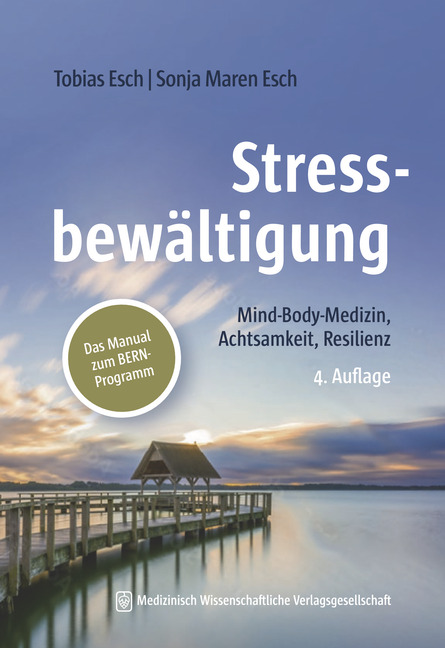
The behavioural intervention is based on the ‘BERN – Healthy under Stress’ health promotion course developed by Prof. Esch (2013) for multimodal stress reduction and health promotion. The course content has been partially modified and expanded for the population of smokers and, in addition to information and exercises on stress-reducing behaviours, relaxation, exercise, enjoyment and nutrition, as well as modules developed specifically for smokers that explain the mechanisms of cigarette dependence and prepare them for the difficulties they can expect when giving up smoking. Effective stress management is a key focus of the intervention, given the scientifically established link between smoking and stress.
A feasibility study and a randomised controlled trial are planned to evaluate the programme’s effectiveness and efficacy. As part of these studies, the user-friendliness, feasibility and effectiveness of the described intervention will be compared with a ‘treatment-as-usual’ control group. It is hoped that the findings will help to support smokers in making a sustainable lifestyle change.
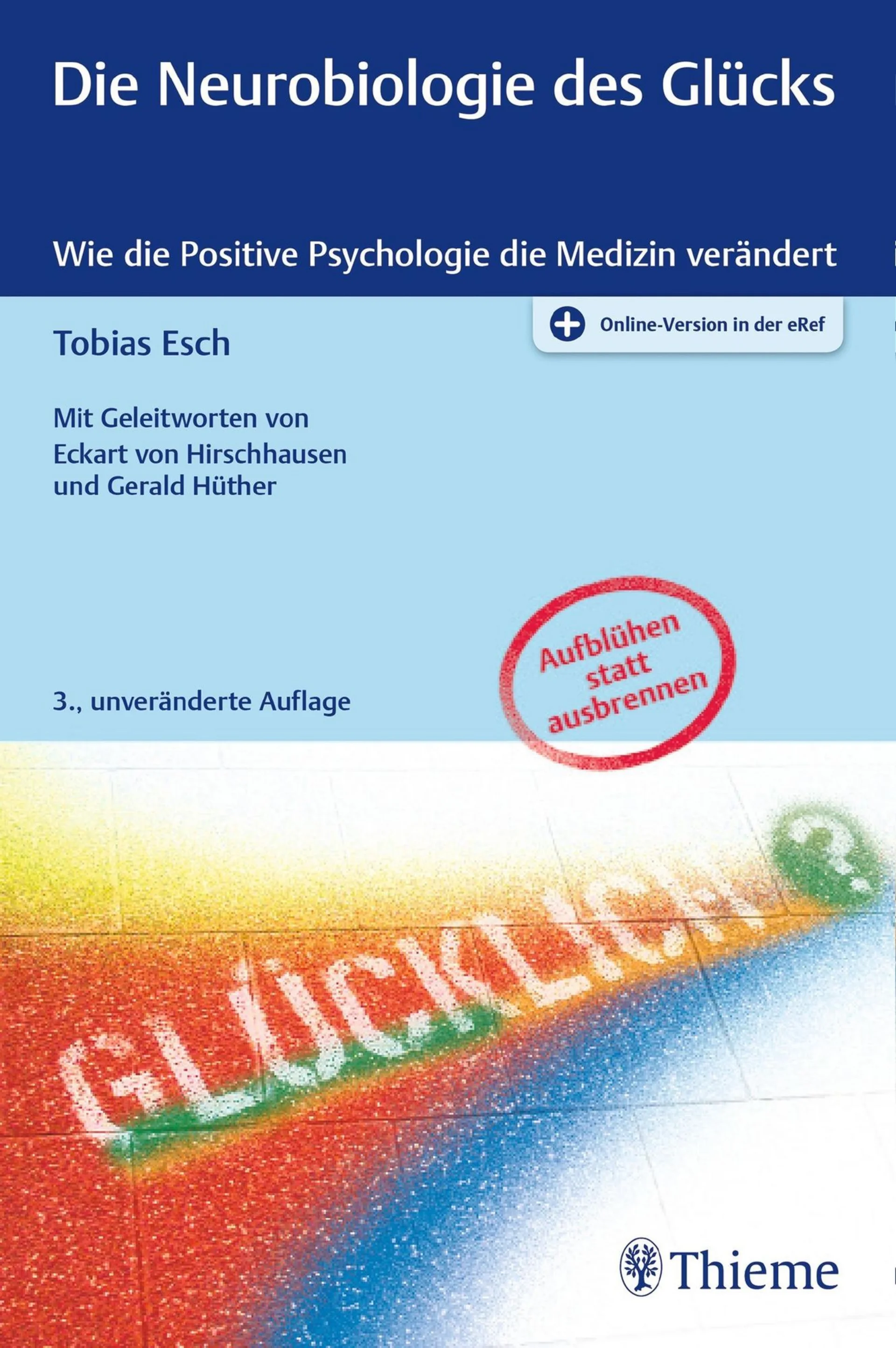
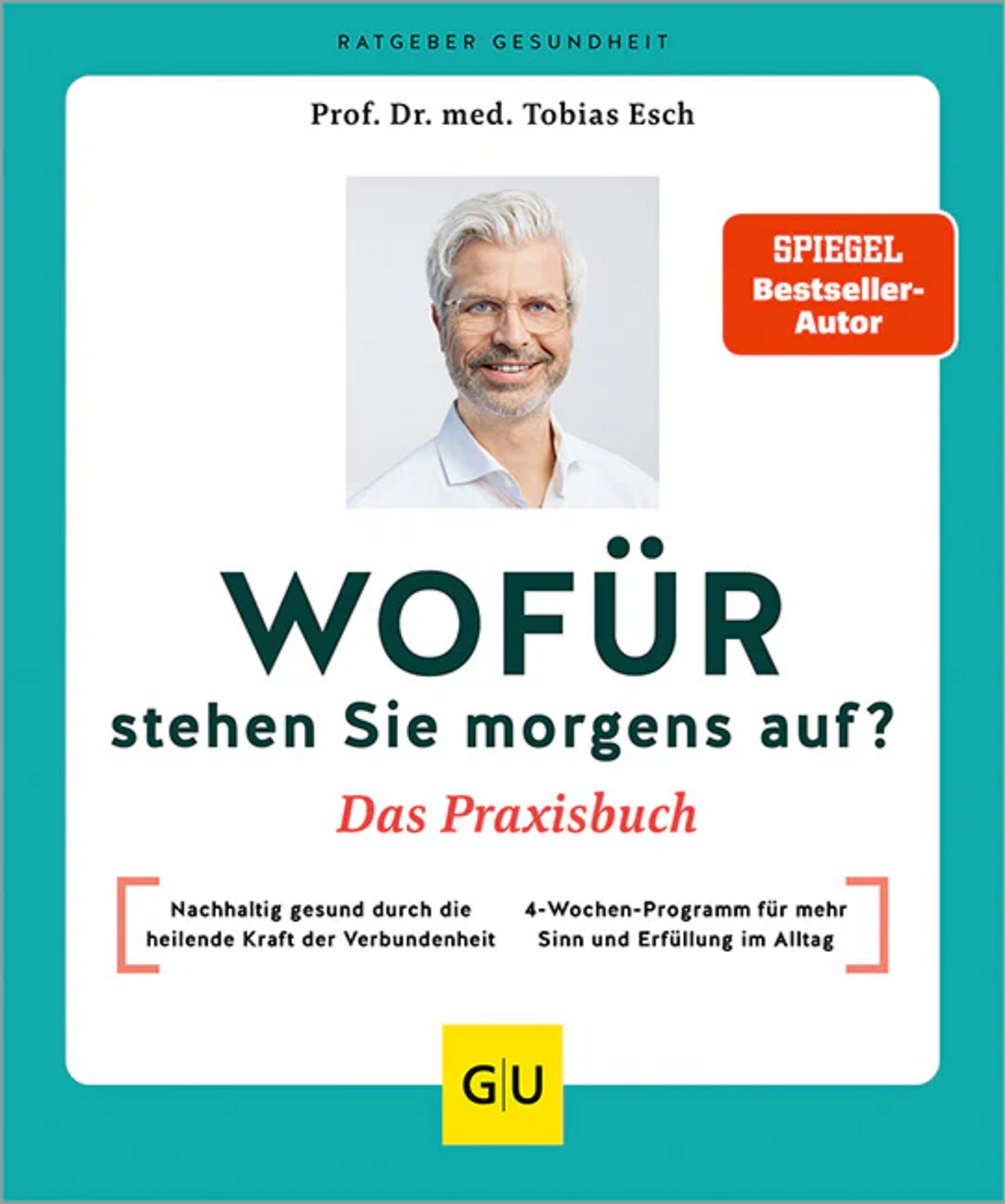
Books
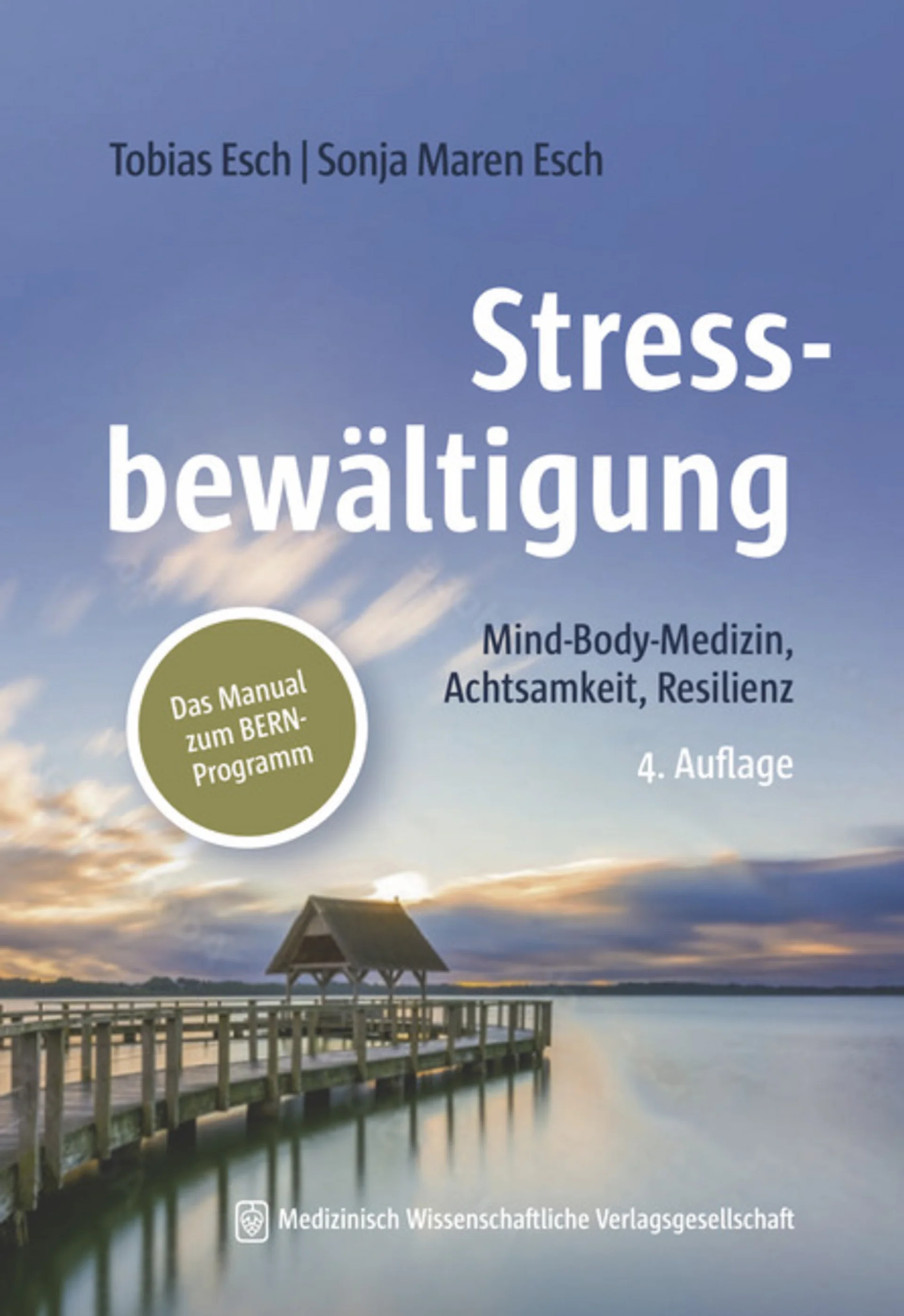
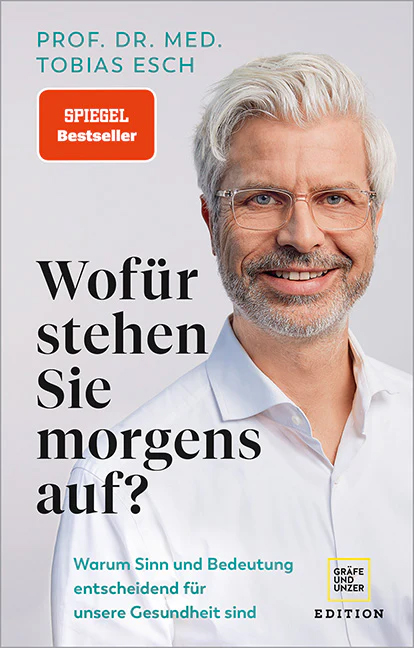
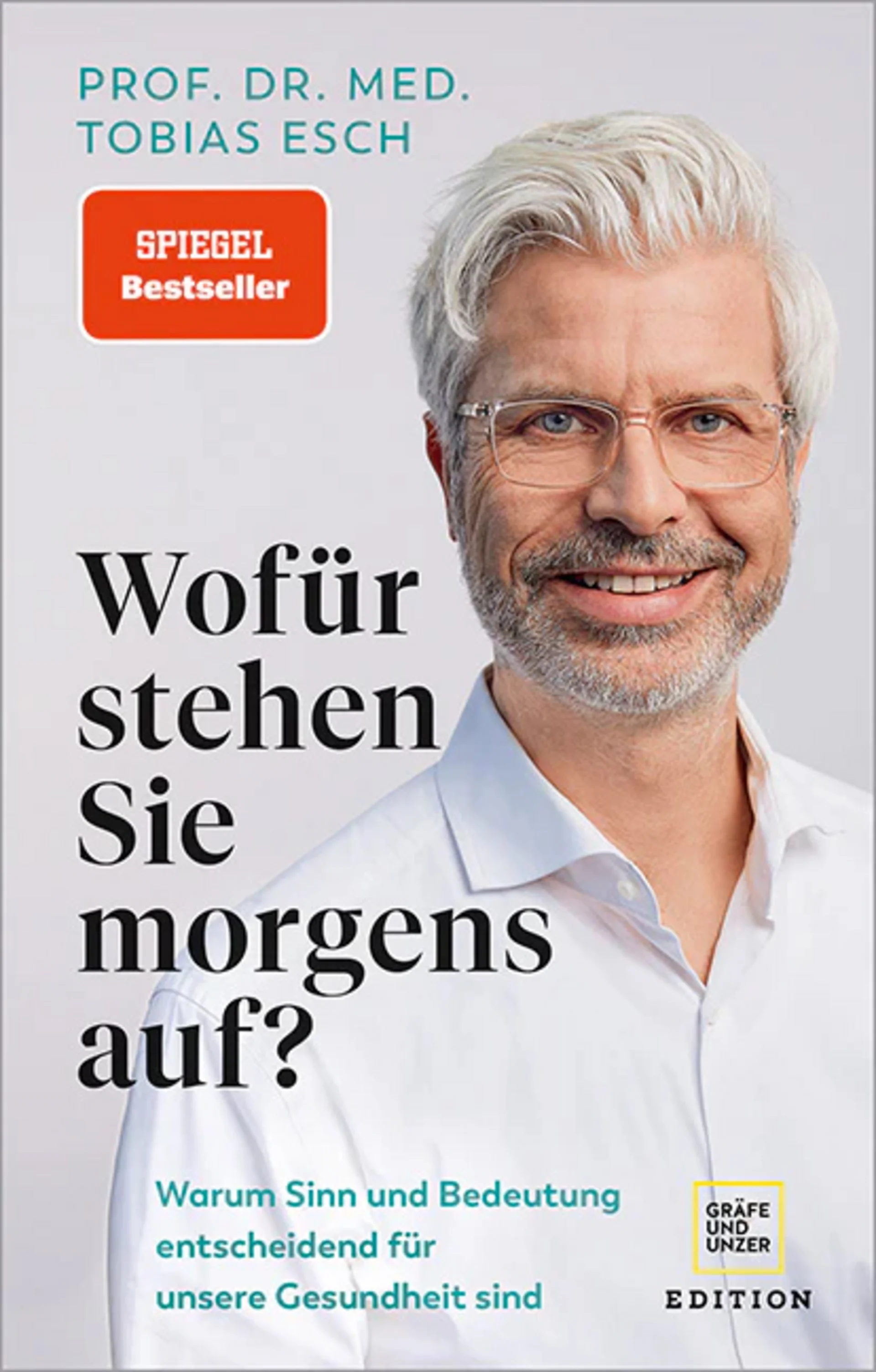
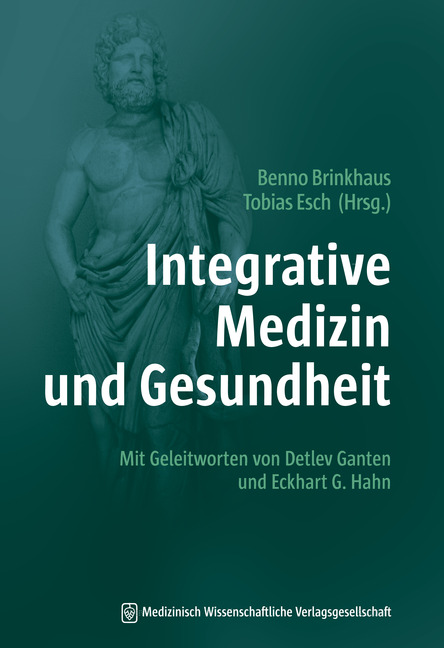
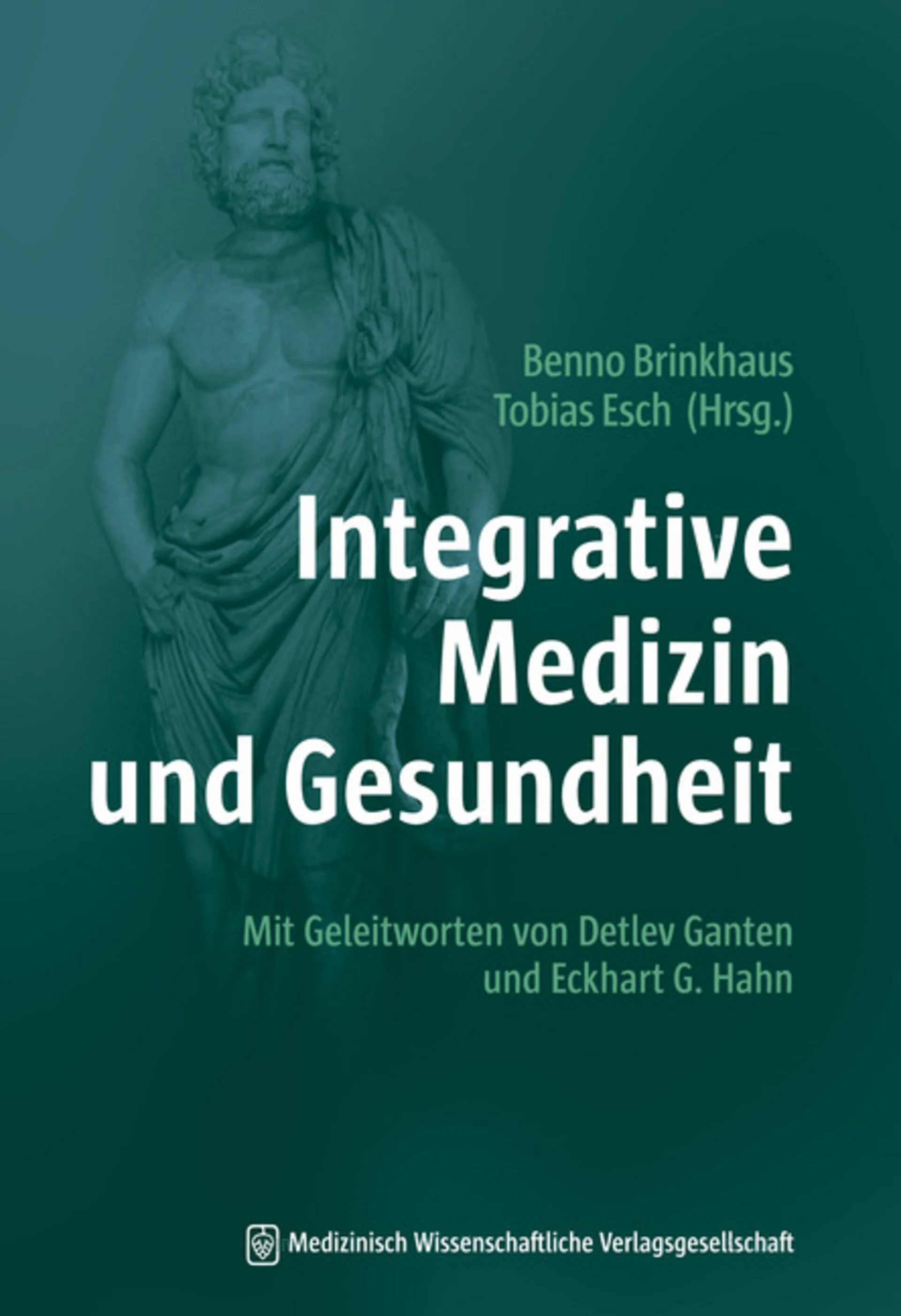


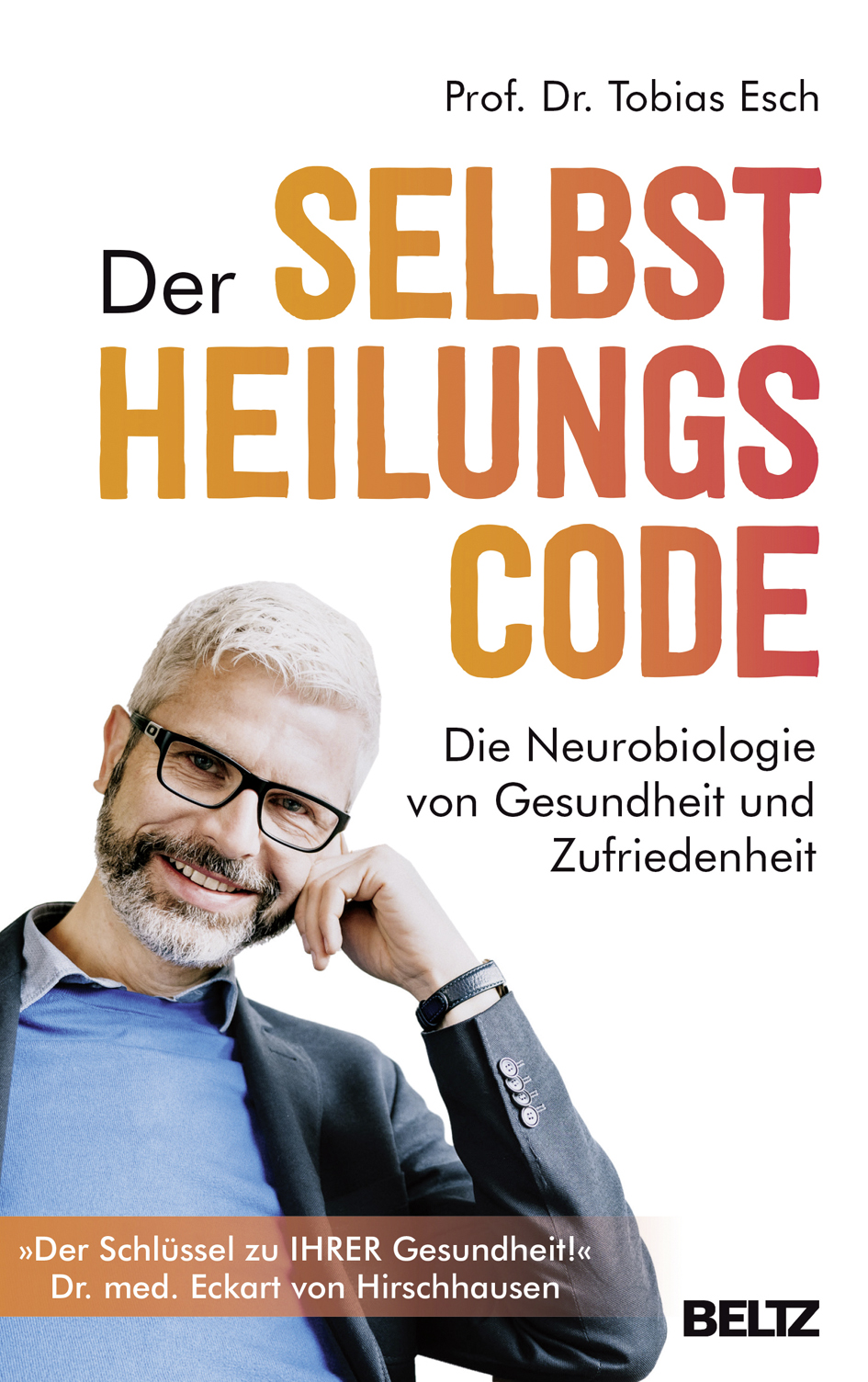
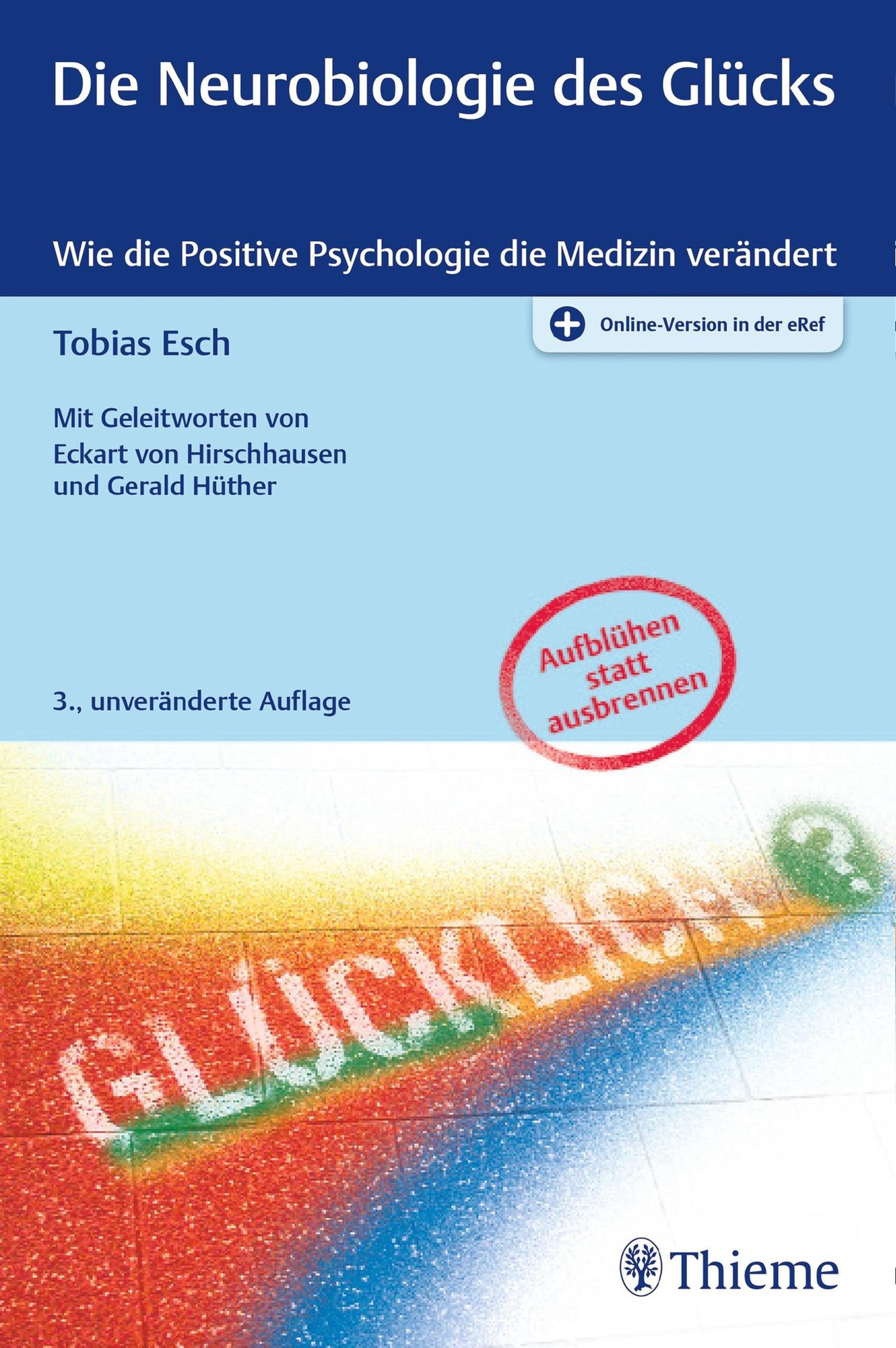

The IGVF in the media
TV & Clips
- BR – You’ll find happiness in this city
- Constantin Schreiber – Tobias Esch: Resilience – How do we cultivate hope?
- ZDF online – Health researcher Esch: How happiness is possible in times of crisis
ZDF – Terra Xplore – Happiness research: Can I learn to be content?
You can find further recent media coverage on Tobias Esch’s personal website.
Note regarding media enquiries
We are delighted to say that we are currently receiving a large number of enquiries regarding articles, interviews or expert statements. We are very pleased to see such keen interest in our research projects. It makes our work easier and saves us from having to ask for further details if you could include the key details of the planned publication in your enquiry straight away.
Key details for media enquiries
- What is the target medium?
- What is the specific topic, or what are the specific questions to be addressed in the article?
- What is the medium’s reach/circulation?
- Who is the target audience (of particular interest to us: a specialist audience or people without specialist knowledge)?
- What format should the piece take: an interview, an expert statement, a specialist feature or a journalistic article?
- How long should the piece be?
- What is the timeline?
- Are there any special preparations or other matters we need to bear in mind beforehand?
The more specific your enquiry, the quicker we can make a decision and respond.
Please direct any enquiries concerning Prof. Tobias Esch to our secretariat. Thank you very much.
The IGVF on social media
Management

Univ.-Prof. Dr. med.
Tobias Esch
Head of Institute
Faculty of Health (School of Medicine) | Institute for Integrative Health Care and Health Promotion
Alfred-Herrhausen-Straße 48
58455 WittenRoom number: 2.021
IGVF Team

Gudrun Berlinghoff
Office Management
Faculty of Health (School of Medicine) | Institute for Integrative Health Care and Health Promotion
Alfred-Herrhausen-Straße 50
58455 WittenRoom number: 2.021

Annika Liu , B. A.
Secretariat
Faculty of Health (School of Medicine) | Institute for Integrative Health Care and Health Promotion
Alfred-Herrhausen-Straße 48
58455 WittenRoom number: NB-1.040

M. Sc.
Larissa Franzen
Research Associate
Faculty of Health (School of Medicine) | Institute for Integrative Health Care and Health Promotion
Alfred-Herrhausen-Straße 50
58448 WittenRoom number: 1.041
Cosima Hötger , Ph. D.
Research Associate
Faculty of Health (School of Medicine) | Institute for Integrative Health Care and Health Promotion
Alfred-Herrhausen-Straße 48
58455 WittenRoom number: NB-1.040

Dr.
Nicole Jankovic
Research Associate
Faculty of Health (School of Medicine) | Institute for Integrative Health Care and Health Promotion
Alfred-Herrhausen-Straße 48
58455 WittenRoom number: 1.043

Mira Kriegesmann , M. A.
Research Associate
Faculty of Health (School of Medicine) | Institute for Integrative Health Care and Health Promotion
Alfred-Herrhausen-Straße 50
58448 WittenRoom number: 1.043

Miriam Thye , M. Sc.
Head of Teaching: Education, Training and Continuing Professional Development
Faculty of Health (School of Medicine) | Institute for Integrative Health Care and Health Promotion
Alfred-Herrhausen-Straße 50
58448 WittenRoom number: NB-2.020

Jule Uhl , M. A.
Lab Coordination
Faculty of Health | Institute for Integrative Health Care and Health Promotion
Alfred-Herrhausen-Straße 48
58455 WittenRoom number: NB-2.020
Dr. rer. oec.
Magdalena Wallkamm
Research Associate
Faculty of Health (School of Medicine) | Institute for Integrative Health Care and Health Promotion
Alfred-Herrhausen-Straße 48
58455 WittenRoom number: NB-2.020