
Experience sustainability
Field trial project
The Witten experimental field for the food transition
The ongoing loss of biodiversity and the consequences of the climate crisis make it urgently necessary to fundamentally rethink our food supply and production. This is only possible if consumers, suppliers and educational institutions tackle the food transition together. This is precisely where the pioneering "Field Trial" project comes in.
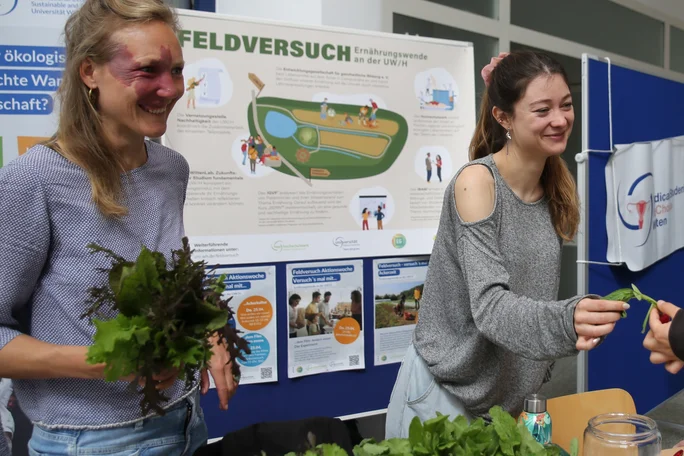
In the middle of the Pferdebachtal valley in Witten, Witten/Herdecke University (UW/H), the Hochschulwerk and the Entwicklungsgesellschaft für ganzheitliche Bildung e. V. are setting up an innovative experimental field with the "Feldversuch", which combines organic regional agriculture with targeted health promotion and sustainable community catering. The project is funded by the Software AG foundation.
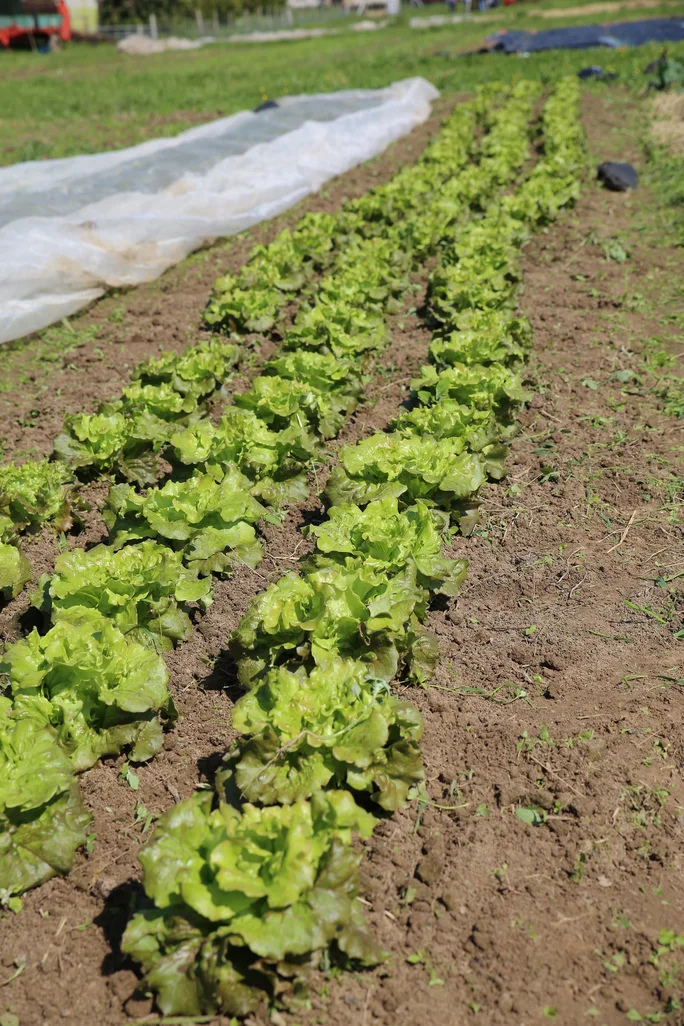
Close cooperation between the development company and the UW/H's Hochschulwerk will ensure that the university cafeteria is permanently supplied with fresh, locally produced organic food from the neighbourhood. The field adjacent to the campus supplies fresh vegetables and offers students, staff and lecturers the opportunity to participate directly in the value creation of food. Accompanying teaching formats and academic studies help to create a new awareness of nutrition.
These goals are realised in detail through the following six sub-projects.
Subprojects
Each of these sub-projects contributes in its own way to creating a sustainable food system that combines health, education and regional organic farming. The "field trial" thus serves as a flagship project for a contemporary and sustainable food culture in urban areas.
Field of experience and education
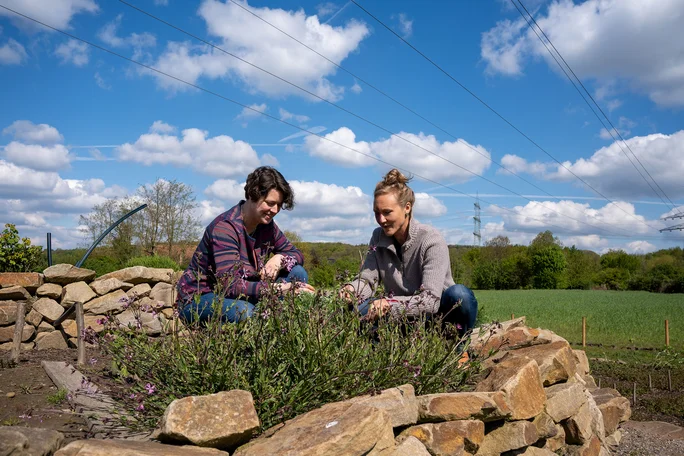
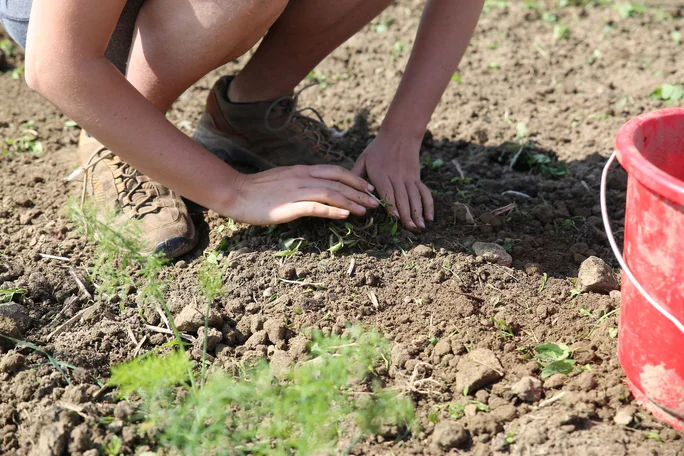
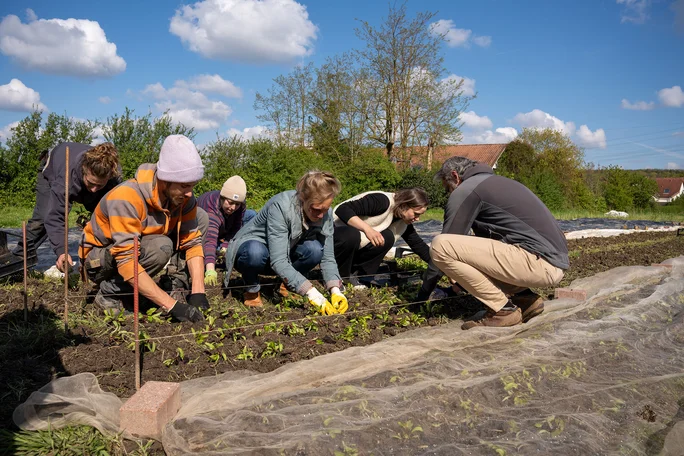
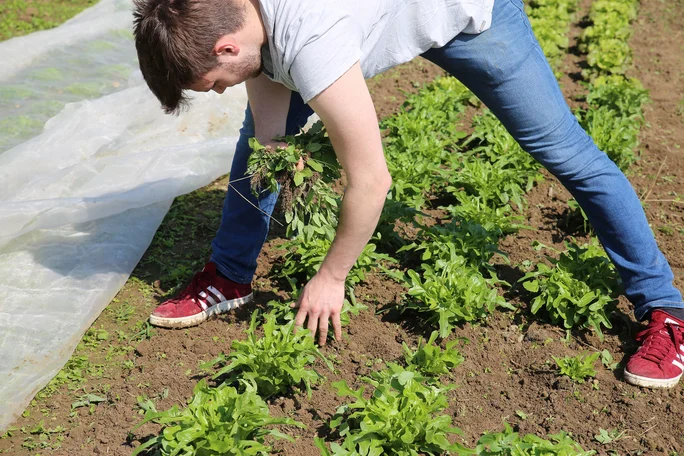
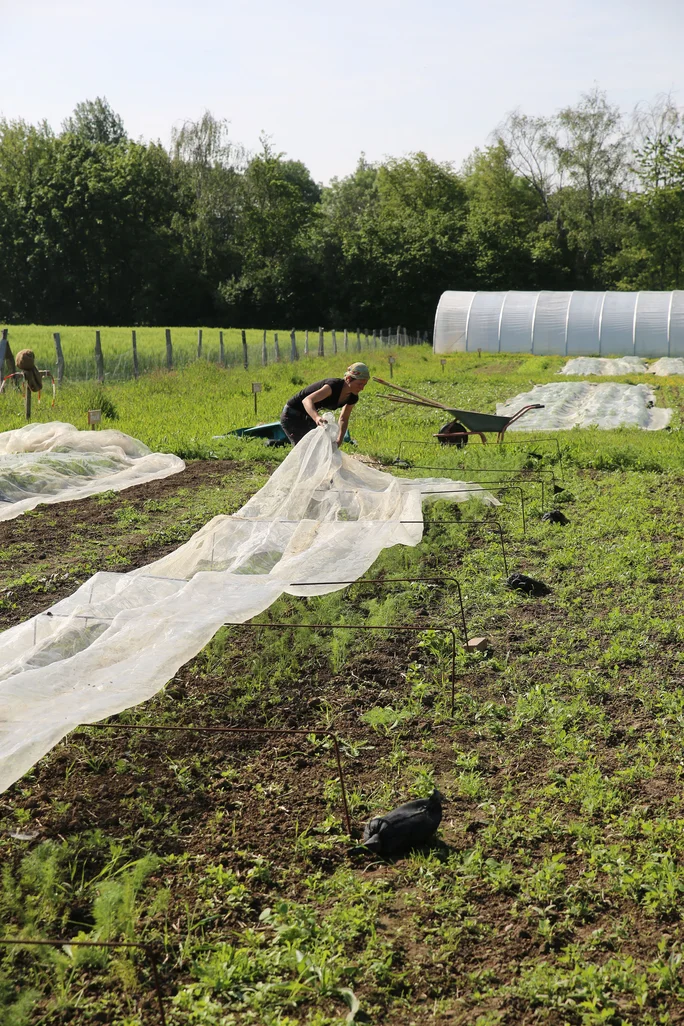
Under the management of the Entwicklungsgesellschaft für ganzheitliche Bildung e. V., food is grown on the field near the campus and processed gently in the UW/H cafeteria. Students, staff, lecturers and the neighbouring community work on the field, in sheep farming and in biotope and landscape conservation, thus learning about the principles of sustainable agriculture in practice. Through these activities, the connections between bio-regional agriculture and our human and planetary health become tangible.
Sustainable catering
The UW/H Hochschulwerk, which is responsible for catering on campus, is gradually increasing the proportion of fresh, regional and organic food to ensure a balanced, healthy and planet-friendly diet for the campus. This sustainable communal catering is intended to serve as a model for a social, ecological and economically viable model of food supply oriented towards the common good.
Determine training needs
The Integrated Curriculum for Anthroposophic Medicine (IBAM) department is conducting a study to determine the educational and training needs of UW/H students and staff on the subject of nutrition and the nutritional transition in connection with health and ecologically sustainable lifestyles. In addition, a scientific investigation is being conducted into how students' awareness of sustainability changes during their studies at the UW/H. In addition to research, the accompanying study programme is involved in developing interactive and action-oriented teaching formats for the overall project together with students.
Learning the nutritional turnaround
The WittenLab. Zukunftslabor Studium fundamentale is designing an educational module with which students can critically question their nutritional behaviour. Through participatory formats, participants learn how they can transform their nutritional behaviour individually, locally and globally on a personal and societal level.
Nutritional behaviour of patients
The Institute for Integrative Health Care and Health Promotion (IGVF) at UW/H analyses the nutritional behaviour and level of knowledge of patients in primary care. Based on these findings, the "BERN" health promotion course is being further developed to promote healthy and sustainable nutrition.
Network maintenance
The UW/H Sustainability Networking Centre coordinates the cooperation between the individual sub-projects. Its task is to connect all stakeholders inside and outside the university and form a strong community for the food transition.