School of Medicine
Chair of Didactics and Educational Research in Health Science
Learning together throughout life
Learning and studying at Witten/Herdecke University should be enjoyable and successful. To ensure this, we promote innovative learning, teaching and assessment. The Chair of Didactics and Educational Research in Health Science conducts research into didactic methods and shares these with students and teaching staff. In doing so, it also explores, both academically and in practice, the courage to break new ground and to experiment with unconventional formats and methods.
Key areas of focus are:
- Innovative methods and techniques for learning, teaching and assessment
- 21st-Century Skills – Future Skills
- Interprofessional training and continuing professional development
- Curriculum development
- Digital Planetary Health
- Teaching and learning training (learning to learn and teach)
- Use of electronic media for learning and assessment
- Education for Sustainable Development
- Human-Animal Studies
- Digital Transformation of the Health Care System
Chair holder

Univ.-Prof. Dr. med. vet.
Jan Ehlers
Chair Holder
Faculty of Health (School of Medicine) | Chair of Didactics and Educational Research in Health Science
Alfred-Herrhausen-Straße 48
58455 Witten
Room number: 2.357
Research
Research objectives
The aim of basic research is to gain an understanding of educational and learning processes, as well as how these are influenced by teaching and examinations. Applied research focuses primarily on improving teaching.
The Chair focuses on the following research topics:
- Teaching and learning research in the context of example-based and case-based learning
- Development, implementation and evaluation of e-learning applications
- ESD – Education for Sustainable Development
- Digital Planetary Health
- Human-Animal Studies
- Digital transformation of the health care system
- Mobile learning
- Summative examinations, which take place at the end of a course, e.g. final examinations; formative examinations, i.e. ongoing tests, homework or quizzes during the course; and diagnostic examinations, i.e. entrance examinations, in undergraduate and postgraduate contexts
- Progress testing (regular, comprehensive tests to assess long-term progress in learning)
- Admission procedures for applicants for a place on a medical degree programme
- Interprofessional learning
- Competence-based learning objective development (teaching learning competences to acquire and apply knowledge in practice)
Research collaborations
As part of ongoing and planned projects, we are collaborating with the following working groups:
- ReBel – Student health among psychology students before and after the implementation of the new medical licensing programme – Prof. Dr Arndt Büssing, Prof. Dr Michaela Zupanic, Angelika Taetz-Harrer
- FOAM (Free Open Access Medicine – a movement to make medical knowledge openly and freely accessible): NERDfallmedizin and pin-up-docs
- ‘Digital Practice’ research group of the Digital Model Region for Health in the Dreiländereck (DMGD)
- Planetary Health and Digital Transformation with the Health For Future movement
Guide for PhD Students
Are you interested in pursuing a PhD and considering writing a thesis in the field of educational research? If so, please get in touch with Professor Jan Ehlers. He will be happy to meet with you to discuss potential topics.
See the doctoral degree regulations for Dr. med. and Dr. rer. medic.
Current doctoral studies
- Albert, M.: Stress experienced by healthcare and nursing students and associated ways of alleviating it. (rer. medic.)
- Al Mlka, M.: An analysis of problem-based learning (PBL) case studies with regard to sensitivity to discrimination in relation to racism, sexism and classism at Witten/Herdecke University during the first four semesters (med.)
- Berger, M.: Digital health in the context of planetary health. The impact of digitalisation in the health care system on the sustainability goals of planetary health. ( med.)
- Blume, F.: The effectiveness of an educational video for patients with molar-incisor hypomineralisation. (med. dent.)
- Böhmke, J.: Teaching emergency medicine at a German university: evaluation of a peer-to-peer teaching format. (med.)
- Eckert, M.: The influence of exploratory, virtual 3D audiovisual environments on the treatment of degenerative-neuroplastic diseases. (rer. medic.)
- Fandler, M.: Free Open Access Medical Education: Use of FOAMed resources in medical continuing education and training in German-speaking countries. (med.)
- Finsterer, E.: Health promotion incorporating community and individual perspectives in interprofessional education (med.)
- Gennat, M.: Identity construction in guided e-sports programmes. (Phil.)
- Giese, J.: From case study to practical competence – An immersive, multi-user, virtual reality simulation-based, pre-clinical, prospective, randomised controlled evaluation study at the Simulation and Emergency Academy at Helios Klinikum Krefeld (med.)
- Günther, S.: Investigation of factors influencing the choice of different access routes to telemedical abortion in Germany: a mixed-methods analysis (med.)
- Hagen, M.: Establishment of a learning studio for nursing trainees. (rer. medic.)
- Hasenack, L.: Nutritional medicine in medical education and continuing professional development: An investigation of teaching content, continuing professional development programmes and specialist competence among students and doctors in Germany ( med.)
- Herbert, K.: In-hospital abortion: An investigation into the accessibility of medical and surgical terminations of pregnancy in the first to third trimesters in hospitals with specialist gynaecology departments in Germany, as a basis for further curriculum development in medical studies, as well as specialist training in gynaecology and obstetrics (med.)
- Hoppmann, N.: Evaluation of a continuing professional development programme for specialists in plastic and aesthetic surgery and its impact on the business success of participating scientific associations and companies according to Donald Kirkpatrick (rer. medic.)
- Jehn, H.: Reception of the new, video-based admission procedures at the UW/H – a qualitative study ( med.)
- Koch, Ch.: From study to practice: How medical graduates can drive forward digitalisation in the health care system. (rer. medic.)
- Koenen, J.: A systematic review of the relationship between digital learning and planetary health. (med.)
- Krankenhagen, T.: From study to practice: How medical graduates can drive forward digitalisation in the health care system ( med. dent.)
- Leder, A.: Stereotypes or medical transformation? – How social media influences the career choices of prospective medical students. (rer. medic.)
- Ludwig, K.: The healthcare contribution perspective: Preferences and their underlying reasons among medical students at Witten/Herdecke University regarding their future careers (med.)
- Lüdorf, V.: The use of innovative teaching methods to develop values and attitudes in medical studies, with particular emphasis on multi-professional education. ( rer. medic.)
- Maas, L.: Gender-sensitive teaching in the training of nursing staff and in the Bachelor’s degree programme in clinical nursing. (rer. medic.)
- Maaß, Y.: Digital teaching media and the representation of skin types: A study in the Department of Dermatology with a clinical perspective (med.)
- Neumann, M.: Digitalisation of the health care system as part of the curriculum at German medical faculties. (med.)
- Neunert, E.: Qualitative analysis of dental chairside teaching at the UW/H(med. dent.)
- Pham Thi Huyen, K.: Socio-spatial determinants and curricular challenges in integrating social determinants of health (SDOH) into primary care: A qualitative analysis of barriers and potential solutions in disadvantaged areas of the Emscher Region in North Rhine-Westphalia (med.)
- Pietsch, P.M.: Preventing racism in everyday psychiatric clinical practice: A qualitative study of awareness-raising initiatives in North Rhine-Westphalia (med.)
- Porsch, N.B.: Online versus face-to-face: The impact of different learning environments on the development of interprofessional handover skills among medical students (rer. medic.)
- Prinz, L.: The benefits of regular medical emergency training in GP practices for the quality of outcomes. (med.)
- Reineke, M.: What is the prognostic validity of manual tests in the admission procedures for subsequent manual performance in the dentistry degree programme at the University of Münster (UW/H)? (med. dent.)
- Roden, A.: The development of new fields of practice for German physiotherapy within primary prevention
through the integration of a workplace health promotion project into physiotherapy training. (rer. medic.) - Schneider, J.: Integration of 3D reconstruction of radiological data from body donors and validation of potential benefits in medical training at the Faculty of Health at Witten/Herdecke University (med.)
- Schwedler, K.: Telemedicine and home care: Optimising care provision through trained family carers. (rer. medic.)
- Schwedler, L.: Promoting self-care among family carers: An online tool to improve health and wellbeing. (rer. medic.)
- Sikorski, T.: Factors influencing the general practice treatment of transgender people by doctors: An analysis of barriers and resources, taking into account the experiences of transgender people and the assessments of doctors (med.)
- Smetana, J.: Teaching anxieties among academic staff in higher education institutions and their influence on student-centred teaching strategies. (rer. medic.)
- Smolarski, J.: Climate change and medicine. Identification of content relevant to the degree programme and its representation in the curricula of medical faculties. (med.)
- Stappen, R.: Thinking about planetary health from a practical perspective: A study on bridging the ‘know-do gap’. What aspects of medicine can be integrated into a planetary health curriculum to improve clinical practice? (rer. medic.)
- Stiller, R.: The impact of misinformation on social media regarding health on general practice care – a qualitative study. (med.)
- Strauss, M.: Academic training processes in medicine – a survey of the current situation in Germany and a comparative analysis within an international context ( rer. medic.)
- Strunk, E.: Development of a multimodal learning concept and its impact on students’ acquisition of competencies and the quality of patient care.
- Taetz-Harrer, A.: Knowledge (and scientific) communication in medical health podcasts. (phil.)
- Truebel, E.: Boundary violations in teaching therapy. (Dr. med.)
- Turner, W.: High-risk ECG diagnostics – an assessment of continuing professional development opportunities using four different media. An interprofessional, experimental before-and-after comparison. (med.)
- Unger, H.: Digital transformation in physiotherapy: video therapy in a blended-care format for the outpatient care of patients with Parkinson’s disease. (rer. medic.)
- Weist, J.: Operationalisation of digital health literacy among patients aged 65 and over in Germany: Development of a target-group-specific measurement tool based on a scoping review. (rer. medic.)
- Widmann, K.: University teaching on human–animal relationships. (med.)
Completed doctoral studies
- Altenberger, S.: A comparison of the requirements for academic qualification processes at German medical faculties, with a focus on doctoral studies and appointment as an associate professor. (med. 2026)
- Wellensiek, S.: Peer-group reflection in nursing education. (rer. medic. 2025)
- Schirone, R.: Effects of 3D scans on veterinary students’ learning outcomes. (med. vet. 2025)
- Röhrens, H. J.: What impact does the clothing of interprofessional teams have on patients’ perceptionsin an international comparison? (med. 2025)
- Pippig, J.: The role of alternative practitioners specialising in psychotherapy: opportunities and risks for mental health care. ( rer. medic 2025)
- Christophers, B.: Acceptance of telematics infrastructure and telemedicine amongst dentists in Westphalia-Lippe – a study on the willingness to cooperate and continuing professional development behaviour of practising dentists with regard to the introduction of telematics infrastructure and the digitalisation of the healthcare market (rer. medic., 2025)
- Lombardo, L.: Qualitative study on the importance and possibilities of training interpersonal and social skills and attitudes during medical studies. (med., 2025)
- Saerchen, F.: General practice-oriented, patient-centred distance learning for students of medicine in the clinical phase of their studies in Germany – an overview of opinions based on the example of a model seminar at Witten/Herdecke University. (med., 2025)
- Olsacher, A.: How to successfully disseminate medical information via social media to increase organ donations in opt-in countries [Example: Germany]. (rer. medic., 2025)
- Hamidanoglu, H.: Development and validation of a training system for student tutors to support the e-learning provision at Witten/Herdecke University. (med., 2025)
- Joergenshaus, M.: Retrospective analysis of the criteria for decision-making in the admission procedures for the degree programme in medicine at the UW/H. (med., 2025)
- Dahlhausen, F.: Empirical multi-stakeholder analysis of market access and ecosystem strategies in the digital health market, using digital health applications (DiGA) as an example. (rer. medic, 2024)
- Dahlke, M.: Retrospective analysis of the assessment behaviour of student and non-student reviewers in the multiple mini-interviews (MMIs) in the UW/H admission procedures for medicine. (med., 2024)
- Nitsche, J.: Digitalisation in the health care system: Attitude research in the virtual classroom with students. (rer. medic., 2024)
- Schlicker, A.: Train-the-trainer approaches in interprofessional education: Development of a teaching framework for interprofessional educators in the healthcare professions, using medicine, nursing and physiotherapy as examples. (rer. medic., 2024)
- Sorg, H.: The KARiMED Study: A cross-sectional analysis of the significance, prerequisites and reform needs in academic careers in medicine. (rer. medic., 2023)
- Hauwe, J.: Integration and validation of an easily integrable e-learning concept in dental education at the Faculty of Health at UW/H. (med. dent., 2023)
- Gillissen, A.: Development of medical professionalism as a complex social system from medical school to becoming a qualified physician. (rer. medic., 2023)
- Becker, B.: The development of veterinary telemedicine in Germany. (med. vet., 2023)
- Ruhrmann, M.: Acceptance and benefits of virtual reality anatomy software and hardware in medical education. (med., 2022)
- Plachta, H.: Implementation and validation of an integrated e-learning concept in teaching at the Faculty of Health at Witten/Herdecke University. (med., 2022)
- Hassenbürger, C.: The future of veterinary medicine from a business management perspective. (rer. pol., 2022)
- Kernebeck, S.: Co-design and formative evaluation of an electronic patient recordin paediatric palliative care in inpatient and outpatient settings.* (rer. medic., 2022)
- Busse, T. S.: Evaluation of the requirements for an electronic case record in paediatric palliative care and the use of design thinking in the participatory development process. (rer. medic., 2022)
- Frank, F.: Effects of audiovisual education on patients’ fear and anxiety
- prior to invasive procedures – A review of reviews and implementation of a clinical, double-blind, randomised controlled multicentre trial. (med., 2022)
- Schulze-Rohr, J.: Quantitative and qualitative evaluation of virtual admission procedures (VAV) for medicine and psychology. (med., 2022)
- Zinner, M.: Scientific, economic and organisational impact of quantum computing in preclinical pharmacological research and resulting implications for pharmaceutical companies.(rer. medic., 2022)
- Bokelmann, A.: Qualitative and quantitative investigations into the components of the two-stage admission procedures for medical studies at Witten/Herdecke University. (rer. medic., 2022)
- Borck, A.: 360° video for the introductory module for the surgical block. (med., 2021)
- von Boetticher, M.: Qualitative studies on the acceptance of VR systems in surgical education, training and continuing professional development. (med., 2021)
- Stroop, R.: Implementation and evaluation of the smartphone-based first-aider alert system ‘Mobile Retter’. (rer. medic., 2021)
- Hansen, A.: Transformation of the healthcare system: what impact does digitalisation have today and in the future? (rer. medic., 2021)
- Herrmann, M.: Evaluation of digital tools to improve adherence among outpatients on anticoagulant therapy and the implementation of new business models in the health care sector. (Dr. rer. medic)
- Quak, S.: Studying medicine whilst raising a child. (med.)
- Wollsching-Strobel, M.: The medical degree programme of the future from the patients’ perspective. (med.)
- Joswig, M.: Nursing practice and attitudes towards interprofessional practice/interprofessional collaboration. (rer. medic.)
- Büssing, O.: MEQ case studies by medical students at the UW/H and students of physiotherapy and nursing sciences. (med.)
- Kuka, S.: The development of German educational research in the academic health professions. (rer. medic.)
- Schimrigk, J.: Implementation of an emergency thoracotomy training programme in German air ambulance services. (med.)
- Kreuer, J. K. S.: Medical knowledge among general practitioners in Germany: changes over the course of their careers as measured by the Progress Test in Medicine. (med.)
- Weis, D. S.: A cost-benefit analysis of the National Drinking Water Security Pilot Project (India). (med.)
- Rebacz, P.: The use of mobile devices for learning at the Faculty of Health at Witten/Herdecke University. (med.)
- Gössling, S.: Systematic review of the use of written formats to assess knowledge in a competence-oriented manner. (med.)
- Greischel, S.: Acceptance of the MMI II at Witten/Herdecke University by applicants and reviewers. (med.)
- Nitsche, J.: UW/H Medical School Admissions Committee: Text analysis of letters of motivation and comparison of extreme groups. (med.)
- Becher, L.: Implementation and evaluation of an interdisciplinary course on case-based comparative health system analysis. (med.)
- Fricke, J.: Development and validation of a reference guide for the medical degree admissions committee at UW/H: a qualitative interview study. (med.)
- Gerken, R.: Qualitative focus group analysis of assessors’ discussions to inform decision-making in admission interviews. (med.)
- Mastnak, W.: Didactic aspects of long-term cardiological rehabilitation, with particular emphasis on music therapy, behavioural modification and sports medicine. (rer. medic.)
Current research projects
Completed research projects
- 2018–2021
DRACO training courses: Use of digital learning resources in the training of medical and non-medical staff, in collaboration with Dr. Ausbüttel & Co. GmbH - 2018–2021
ELSA-PP: Electronic cross-sector case management system for paediatric palliative care, PedScience Vestische Forschungs-gGmbH, Datteln, Smart-Q Softwaresysteme GmbH, Bochum. OP EFRE NRW 2014–2020 (Health.NRW Leading Market Competition) - 2020 – 2021
dipraxis – The KVWL’s digital practice – experiencing digitalisation and trying out real products, KVWL – Association of Statutory Health Insurance Physicians in Westphalia-Lippe - 2020–2021
Development of medical professionalism as a complex social system from medical school to becoming a qualified doctor, District Hospitals, Steinenberg Hospital - 2022
Setting up a studio for digital teaching, Friede Springer Foundation - 2021–2023
Minded.Ruhr: My INdividual Digital EDucation.RUHR with partners Medecon Ruhr, Alfried Krupp Hospital, DATATREE, Fraunhofer ISST, Gute Hoffnung, TUTOOLIO, University of Duisburg-Essen, as part of the INVITE innovation competition organised by the Federal Ministry of Education and Research (BMBF) - 2021–2023
ELAN-P: Evaluation of the Novaheal nursing training app, in collaboration with the Berlin Education Campus for Healthcare Professions, as part of the Innovation Programme for Business Models and Pioneering Solutions (IFGP) run by the Federal Ministry for Economic Affairs and Climate Action (BMWK)
Publications by the Chair of Didactics and Educational Research in Health Science
Teaching
Organisational matters
The Chair of Didactics and Educational Research in Health Science is involved in teaching on the model degree programme in Medicine, as well as other degree programmes within the Faculty of Health and the Studium fundamentale at Witten/Herdecke University. Details of the courses can be found in UWE.
Mandatory courses
- Pre-clinical work (Medicine, from the 1st semester)
- Problem-based learning (Medicine, from the 1st semester)
- Research project (Medicine, from the 5th semester onwards)
- Identifying health needs and health problems – Seminar 2: Evidence-based health promotion and prevention (Community Health Nursing (MA), 2nd semester)
Electives
- Individual learning support:
Students can discuss any learning difficulties with the department, and a personalised learning strategy will be developed together. - Doctoral Student Colloquium (Medicine and Medical Sciences)
Doctoral students in the field of didactics and educational research meet by invitation to discuss their work and initial findings. - Learning Seminar (Medicine, 1st semester)
The learning seminar introduces first-semester students to problem-based learning, understanding-based learning and study organisation, with a view to easing the transition from school to university - Exam Workshop (Medicine, 2nd semester), Pre-clinical work (Medicine)
The examination workshop not only prepares students for the multiple-choice (MC) examinations typical of medical studies, but focuses primarily on the assessment methods used in the model medical degree programme (MEQ – Modified Essay Questions, QSCE – Objective Structured Clinical Examinations and OSLER – Objective Structured Long Examination Record). - Enjoying the Process of Learning (Faculty of Health, all degree programmes, first semester)
This module is designed to provide tools and strategies for optimising learning behaviour to ensure academic success. The course is tailored to students’ needs and comprises five thematic blocks:
1. Thematic block: developing effective study plans, improving self-regulation and setting smart goals for a successful degree programme
2. Thematic block: getting to know different learning methods, discovering the best learning resources and locations, and learning how group learning can enrich the study experience
3. Thematic block: identifying inner drivers, boosting motivation, overcoming procrastination and developing efficient time management
4. Thematic block: Overcoming examination anxiety, optimising examination preparation, and mastering multiple-choice questions and/or oral examinations
5. Thematic block: Discovering the use of generative artificial intelligence in the learning process, perfecting term papers, and participating in the writing workshop - Additional module: ‘Autism Spectrum Disorder’ placement
In the subject ‘Dentistry for People with Disabilities’ as part of the Dentistry, Oral and Maxillofacial Medicine degree programme (8th semester)
Studium fundamentale
The Department is involved in the following courses within the Studium fundamentale programme:
- Digital Transformation (Master plan)
- Methods and mechanisms of political opinion-forming on social media, using the AfD as an example – what strategies could be used to counter it effectively?
- The Lord of the Rings and Co. ... what can we learn from fantasy films?
- Lecture series: Human–Animal Relationships #govegan
The team at the Chair of Didactics and Educational Research in Health Science

Sinnikka Schmalschläger
Secretariat
Faculty of Health (School of Medicine) | Chair of Didactics and Educational Research in Health Science
Pferdebachstraße 11 / Alfred-Herrhausen-Straße 50
58455 WittenRoom number: 1.009 / 2.356

Vivian Lüdorf , M. A.
Researcher
Faculty of Health (School of Medicine) | Chair of Didactics and Educational Research in Health Science
Alfred-Herrhausen-Straße 50
58455 WittenRoom number: 2.355

Dr. rer. medic.
Julia Nitsche
Researcher
Faculty of Health (School of Medicine) | Chair of Didactics and Educational Research in Health Science
- +49 2302 926-786 25
Orcid ID: https://orcid.org/0000-0003-3443-6649
Alfred-Herrhausen-Straße 50
58455 WittenRoom number: 2.355
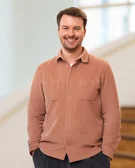
Jan Smetana , M. A.
Officer for Higher Education Didactics
Administration | Executive Board
Alfred-Herrhausen-Straße 50
58455 WittenRoom number: 2.356
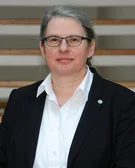
Dr.
Michaela Stratmann
Faculty of Health (School of Medicine)
Alfred-Herrhausen-Straße 50
58448 WittenRoom number: C-E.068

Angelika Taetz-Harrer , M. Sc.
Researcher
Faculty of Health (School of Medicine) | Chair of Didactics and Educational Research in Health Science
Alfred-Herrhausen-Straße 50
58455 WittenRoom number: 2.355

Kim Widmann
Student Assistant
Faculty of Health (School of Medicine) | Chair of Didactics and Educational Research in Health Science
Alfred-Herrhausen-Straße 50
58455 WittenRoom number: 2.355