Participation in Religious Life: How People with Disabilities Can Take Advantage of Spiritual Programs
A project by Witten/Herdecke University and the churches is creating accessible pathways to faith, pastoral care, and community.
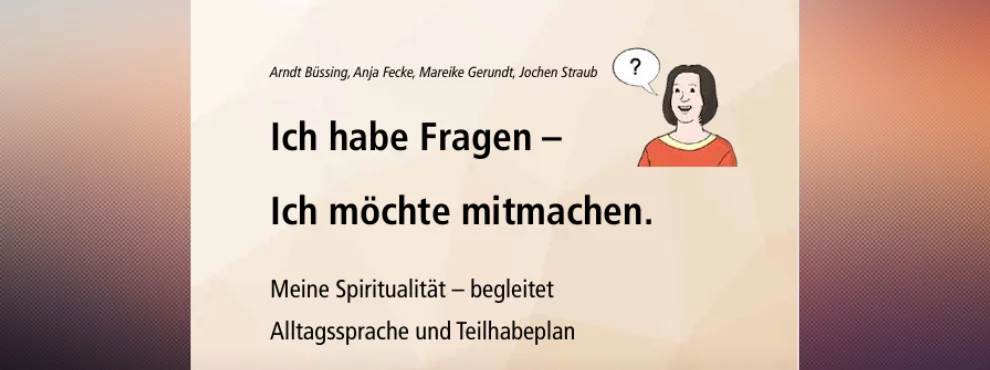
Prayers, church services, belonging to a faith community or the question of inner peace and the meaning of life: for people with cognitive impairments, such forms of religious and spiritual participation often remain inaccessible - for example, because language, structures and services are not designed to be barrier-free. An interdisciplinary project by the Chair of Medical Theory, Integrative and Anthroposophic Medicine at Witten/Herdecke University (UW/H) and the Catholic and Protestant churches aims to change this.
Concrete help for more participation in religion
Two materials have been created that are aimed at people with disabilities as well as assistants and employees in institutions and communities: a handout entitled "I have questions - I want to join in. My spirituality accompanies me" and a set of cards for participation planning. The handout is written in everyday language and plain language and explains, for example, which form of support - from religiously sensitive assistance to pastoral care - is appropriate in each case. It also lists specific materials and contact addresses for various areas of life such as communication or mobility. The cards also organise conversations along these nine areas of life and help to identify spiritual and religious needs and translate them into action steps. In this way, people with disabilities can express in a structured way whether they would like to attend a church service, pray or belong to a church - and assistants know how they can provide support.
"The materials help people to become aware of their own needs and start a dialogue about them," says Prof. Dr Arndt Büssing, holder of the Chair of Quality of Life, Spirituality and Coping, which is part of the Department of Medical Theory, Integrative and Anthroposophic Medicine. "Together, we can find ways to enable participation." Because: "Participation in religion and spirituality is a fundamental right for everyone - regardless of disability," says Mareike Gerundt, research associate at the professorship.
The project combines scientific findings from the field of spiritual care with the practical experience of church pastoral care for the disabled. The offers are available online free of charge. The handout can also be ordered as a print version.
Further information and download: https://behindertenseelsorge.bistumlimburg.de/teilhabe-an-religion
Further information:
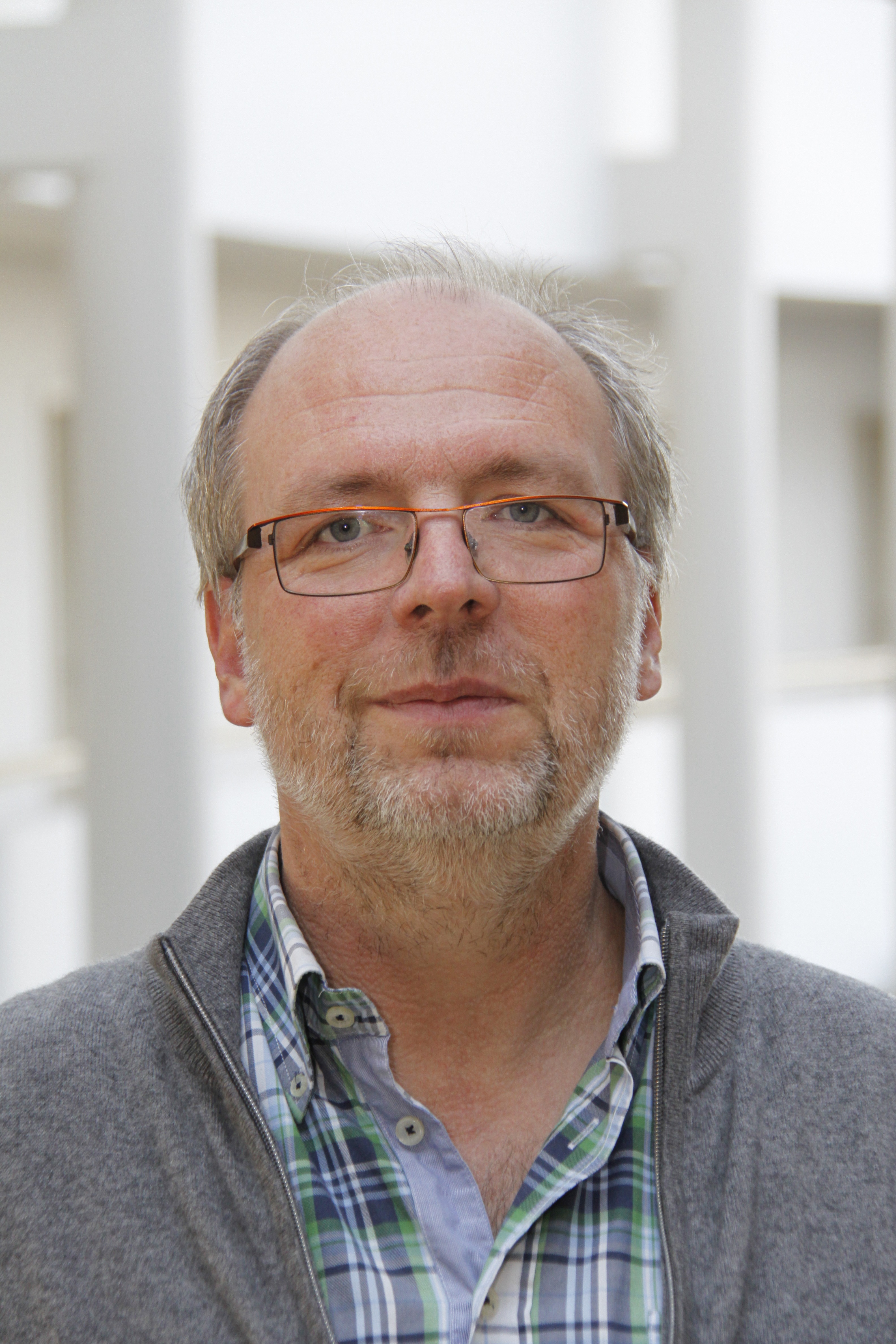
Representatives from the Catholic Church, Protestant Church and academia have been working together on the project for around a year. Jochen Straub (Diocese of Limburg), Anja Fecke (Archdiocese of Paderborn), Christiane Eßer-Kapp (Protestant Church in Hesse and Nassau) and Prof Dr Arndt Büssing and Mareike Gerundt from Witten/Herdecke University are involved.
Photos for download
Contact person
Svenja Malessa
Press Officer
Administration | Communication & Marketing
Alfred-Herrhausen-Straße 48
58455 Witten
Room number: 2.F05