Traumatized refugees should have easier access to psychological help
A project at Witten/Herdecke University brings together those affected and psychotherapists, providing support through language mediation, continuing education, and supervision.
Many people fleeing from war-torn and crisis-stricken areas carry the burden of severe psychological distress. According to estimates, around 80 per cent have experienced potentially traumatic events. Studies show that 40 to 50 per cent of people with refugee backgrounds suffer from a mental health condition requiring treatment. Yet many of them are unable to find a suitable place for therapy.
Psychotherapists often feel inadequately prepared to treat people with refugee and trauma experiences. There is also frequently a shortage of language and cultural mediators. They not only translate conversations but also help to prevent culturally-related misunderstandings between patients and therapists. Their services are usually not funded within standard healthcare provision. The result is that those affected wait a long time for help or do not receive it at all. With every delay, the risk of mental health conditions becoming chronic increases.
A project to tackle gaps in care
This is where the ‘Assisting Refugees to Access Psychological Support’ (ARAP) project at Witten/Herdecke University (UW/H) comes in.
“Flight and displacement often leave deep psychological wounds that do not heal on their own. The sooner people with these experiences receive professional support, the greater the chance that they will be able to take control of their lives again,” says Prof. Dr Ulrike Willutzki, holder of the Senior Professorship in Clinical Psychology and Psychotherapy at Witten/Herdecke University.
The process begins with an initial consultation. Together with those affected, the project team assesses what support is required. The team then refers them to suitable psychotherapeutic treatment options within the regional network.
At the same time, the project supports practising psychotherapists and those in training. They receive further training on migration, displacement and trauma-related disorders, as well as regular supervision and specialist advice. The aim is to enable more therapists to treat people with refugee backgrounds confidently.
Professionals who work regularly with refugee children and young people – for example, in schools or in after-school care programmes – can also receive further training through the project. They learn to recognise psychological distress at an early stage and to refer affected children and young people to suitable support services in a targeted manner.
Further information: The UW/H is establishing the care networkbyNovember 2028. The project is made possible by funding from the European Union’s Asylum, Migration and Integration Fund (AMIF), as well as from the Dr Lisa Kurz Foundation and the Heidehof Foundation.
Contact person
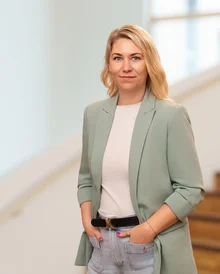
Svenja Malessa
Press Officer
Administration | Communication & Marketing
Alfred-Herrhausen-Straße 48
58455 Witten
Room number: 2.F05