The GaDiaKi Nationwide Diabetes Study Is Seeking Additional Study Centers—Participation Is Still Open Through the End of 2026
The GaDiaKi research project invites pediatric and adolescent diabetes care facilities to participate in research on new educational programs for children and adolescents with type 1 diabetes
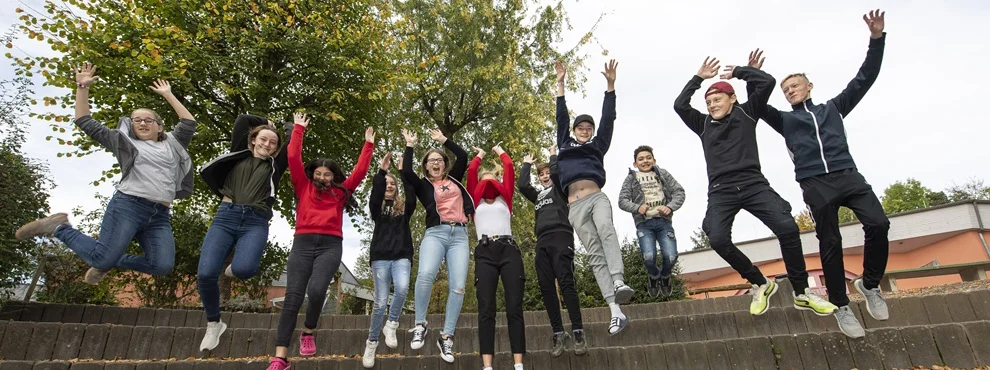
How can children and young people with type 1 diabetes learn to manage their condition more independently and confidently in their everyday lives? And can training programmes outside hospitals and doctors’ surgeries provide them with effective support in this regard? These questions are being investigated by the nationwide research project GaDiaKi (Holistic, interdisciplinary diabetes group training for children and young people with type 1 diabetes in a real-life setting), funded by the G-BA Innovation Fund and led by a consortium headed by the University of Witten/Herdecke (UW/H).
To carry out the study, the research consortium is seeking further paediatric and adolescent diabetes centres, diabetes outpatient clinics and hospitals that would like to participate as study or training centres. Interested organisations can register for a training session in 2027 until 31 December 2026. Participation in the study and the costs of conducting it will be reimbursed.
“Our study design offers a great deal of flexibility to suit the varying circumstances of practices and clinics: Whether you wish to deliver the out-of-hospital GaDiaKi training sessions yourself or refer your patients to a nearby study centre – in either case, you can benefit from the study and the remuneration in both the intervention and control groups!” says project leader Dr Bettina Berger.
Strengthening diabetes management skills in a non-clinical, everyday setting
Whether playing sport, on school trips, eating together or during leisure time: type 1 diabetes affects children and young people round the clock and presents families with daily challenges.
GaDiaKi is therefore investigating a training programme that deliberately extends beyond the traditional learning environments of practices or hospitals. Children and young people take part in group training sessions lasting several days in a child-friendly, real-life environment. Participants are also supported by mentors – young adults who themselves live with type 1 diabetes. This peer-to-peer approach is an innovative element of the GaDiaKi training programmes.
The aim of the study is to improve self-management and quality of life among young patients and to trial a new, child-centred form of care. To this end, the outcomes of the GaDiaKi training sessions are scientifically compared with those of a control group receiving standard care.
Three ways to take part – tailored to the facilities’ capabilities
A particular focus of the project is to enable as many diabetes care centres as possible to take part. GaDiaKi therefore offers three different participation models:
Under Option A (centre randomisation), a centre with around 20 children and adolescents takes part and is assigned as a whole to either the intervention or control group. Under Option B (participant randomisation), the centre registers around 40 participants, who are randomised into two groups. The centre conducts the GaDiaKi training sessions only for those participants assigned to the intervention group. Option C allows participation without the centre having to conduct its own training: the centre recruits any number of patients and takes responsibility for the DPV documentation. The training sessions are then conducted by another centre.
Attractive remuneration and further benefits for participating centres
Participation in GaDiaKi not only offers institutions the opportunity to contribute to an innovative care model. The project also provides for a guaranteed financial remuneration for study-related services – regardless of whether a centre conducts GaDiaKi training sessions itself or focuses on recruitment and study support.
In addition to financial remuneration, participating institutions benefit from the opportunity to familiarise themselves with an innovative training programme. They are supported in this by the experienced team led by paediatric diabetologist Dr D. Hilgard (Pro Kid e.V.). Furthermore, the study centres will become part of a nationwide network of around 40 institutions. This professional exchange offers the opportunity to gain new insights for their own clinical practice and to help ensure that resources for diabetes training are developed in Germany in the future.
Working together to further develop diabetes care
GaDiaKi’s long-term aim is to lay the scientific foundations for the potential long-term establishment of a non-hospital-based training programme for children and young people with type 1 diabetes.
The nationwide study is funded by the Innovation Fund of the Joint Federal Committee (G-BA) and will run from February 2026 to January 2029. The training courses will take place in 2027.
Interested organisations have until 31 December 2026 to register. The project team will be happy to answer any questions in a face-to-face meeting or via an online appointment.
Further information and registration
Email: gadiaki@uni-wh.de
Website: www.gadiaki.de
Register for the information session via Zoom:
https://uni-wh-de.zoom.us/j/87127359004?pwd=RDMGObJZb2yY2ax5IyQWQISdyeiXNA.1
A project of the Chair of Medical Theory, Integrative and Anthroposophical Medicine at the University of Witten/Herdecke
Consortium leadership

Dr. phil.
Bettina Berger
Research Associate
Faculty of Health (School of Medicine) | Chair of Medical Theory, Integrative and Anthroposophic Medicine
Gerhard-Kienle-Weg 4
58313 Herdecke
Room number: Haus D, DG
- +49 2330 62-4763
Orcid ID: 0000-0003-4999-8898

Univ.-Prof. Dr. med.
Ekkehart Jenetzky
Professor
Faculty of Health (School of Medicine) | Chair of Medical Theory, Integrative and Anthroposophic Medicine
Alfred-Herrhausen-Straße 50
58455 Witten
Room number: C-2.330
- +49 2302 926-7730
Orcid ID: 0000-0001-5415-8784