KULTURZEIT: ‘The Art of Forming Judgements’
How do we form sound judgements – and what stands in the way of them?
At a time when we are bombarded with countless opinions on a daily basis, the ability to form our own well-founded judgements is becoming increasingly important. But what actually distinguishes an opinion from a judgement? How can we distinguish between information and interpretation, argument and assertion, and fact and ideology?
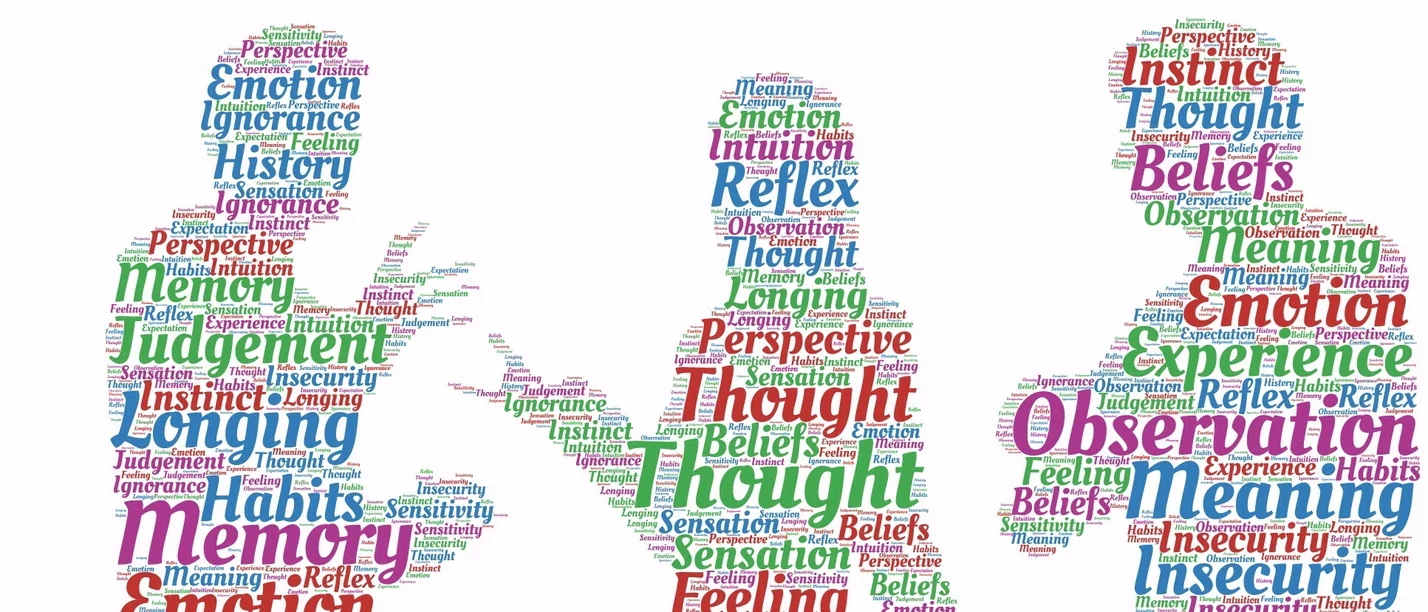
Even the notion of a completely objective perspective presents us with challenges: our perception and thinking are always shaped by our own experiences, assumptions and patterns of interpretation. Often, it is precisely these influences that go unnoticed, yet they have a decisive impact on our judgements.
This public presentation offers insights into the Stufu seminar ‘The Art of Forming Judgements’, led by David Hornemann v. Laer, and explores the question of how judgements arise, what can cause them to fail, and under what conditions an independent and reasoned judgement becomes possible at all.
Using current examples from academia, the media and society, we examine the challenges of forming judgements in an age of constant expression of opinion.
This is about more than simply judging something as ‘right’ or ‘wrong’: Judgement-forming is understood as a form of conscious perception and reflection – as the ability not only to question one’s own ways of thinking, but also as a form of contemplative awareness within the sensory fields, which makes it possible to actually grasp, in the course of experience, how thoughts, assumptions and concepts structurally intervene in sensory perception and shape our view of the world. In this sense, the formation of judgement might even be understood as an art form in its own right.