“The next five years will fundamentally change our healthcare system.”
Prof. Dr. Jochen Wirtz, visiting professor at Witten/Herdecke University, explains why the medicine of the future begins today.
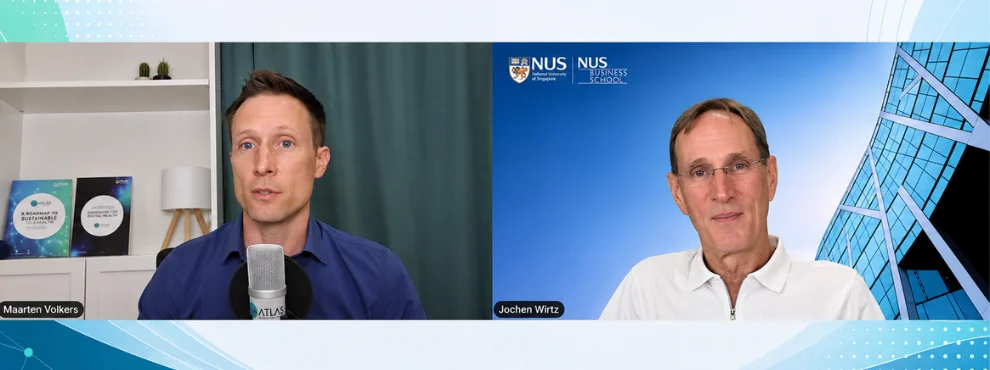
Take a photo of a noticeable skin change, upload it to an AI system and receive an initial assessment within a few seconds: this is already possible today. But what if, in future, artificial intelligence were not only to analyse symptoms, but also take our medical history into account, evaluate health data and organise the next steps in our treatment?
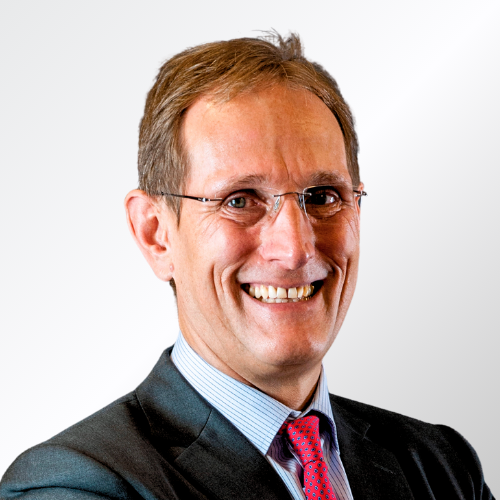
This is exactly how Prof. Dr Jochen Wirtz envisages the healthcare of the future. The scientist from the National University of Singapore is currently a visiting professor at the University of Witten/Herdecke (UW/H) and is working on the digital transformation of the health care system as part of the ATLAS research project.
The medicine of the future has long since begun
Some of the developments described by Wirtz have long been part of everyday medical practice in Singapore. Patients organise their hospital visits via an app, make use of telemedicine consultations and have their medication delivered to their homes. At the National Cancer Centre, robots are already handling the transport of chemotherapy drugs and other routine tasks. This takes the strain off nursing staff and frees up more time for patient care.
Wirtz expects such technologies to become even more interconnected in the coming years. A personal health AI could then, for example, assess whether symptoms are harmless, whether a doctor’s appointment is necessary, or whether immediate medical assistance is required. The preparation of treatment could also be largely automated.
Can more technology also mean more humanity?
Wirtz takes a nuanced view of the concern that AI and robotics will lead to a loss of human care. He asks in turn how much care patients actually receive when they have to wait for hours in hospital or cannot get through to anyone on the phone.
For him, the opportunity lies in relieving medical staff of routine tasks and making healthcare more accessible and affordable. At the same time, the reliability of AI-supported assessments and the protection of sensitive health data remain significant challenges.
In an interview with Dr Maarten Volkers, a research fellow at the Chair of Management and Innovation in Health Care, Wirtz explains why he expects fundamental changes to take place within the next five years, which technologies are already in use today, and how this could change the work of doctors and nursing staff. You can find the full interview here: https://www.atlas-digitale-gesundheitswirtschaft.de/aktuelles/
Further information:
The ATLAS project, funded by the State of North Rhine-Westphalia, is led by Prof. Dr Sabine Bohnet-Joschko and investigates digital transformation in the health care system, connects innovative stakeholders and projects, and adapts scientific findings for practical application.
Photos to download

Contact person
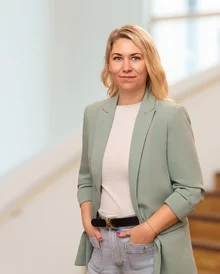
Svenja Malessa
Press Officer
Administration | Communication & Marketing
Alfred-Herrhausen-Straße 48
58455 Witten
Room number: 2.F05