The political divide is not yet as deep as it often seems
Conflict researcher Prof. Dr. Nils-Christian Bormann of Witten/Herdecke University on wars, the resilience of democracy, and the question of why Germany needs more international perspectives.
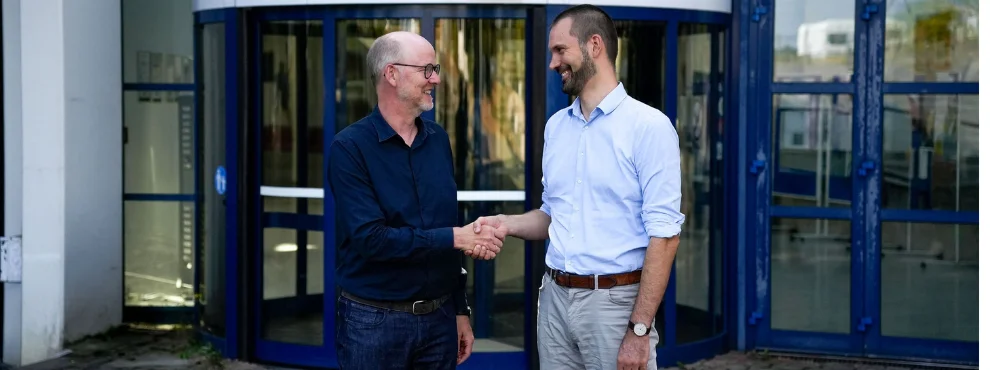
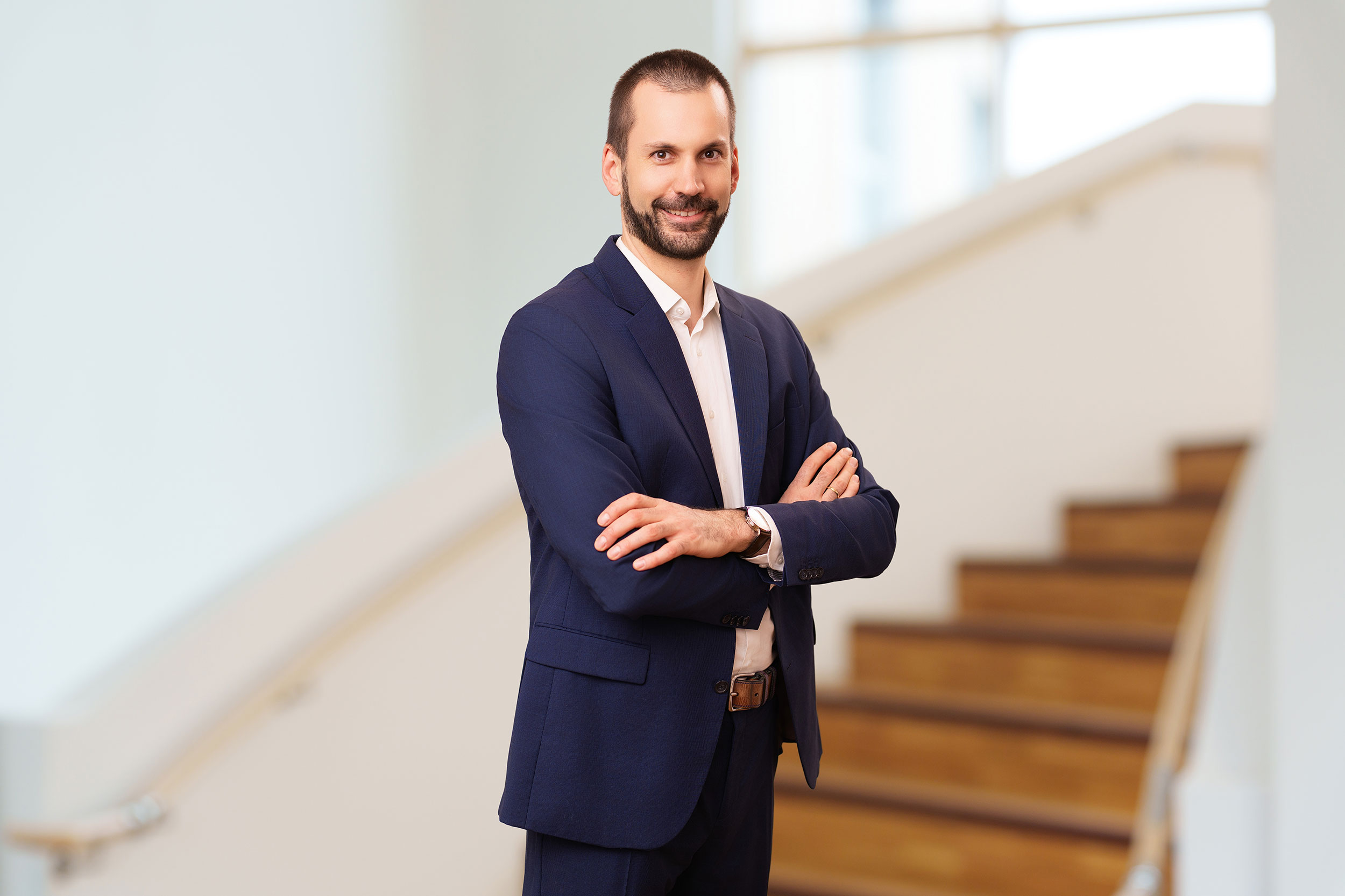
Germany is politically divided. But does that in itself pose a threat to democracy? Conflict researcher Prof. Dr Nils-Christian Bormann from Witten/Herdecke University (UW/H) says: no. A democratic society such as Germany’s can withstand a great deal of conflict. It becomes dangerous when politicians no longer accept their opponents as equals, threaten violence or refuse to recognise election results. Even though these boundaries have been crossed on a number of occasions in recent years, he does not yet believe that political polarisation has reached a tipping point.
For despite all the disputes, Bormann still sees a broad social consensus in Germany on core values. The deep division is currently playing out primarily in politics. Whilst it does have an impact on society, it is ‘not yet as deep as the media sometimes make it out to be’.
Even deep political divisions can narrow again, as Bormann believes is evident from looking at Germany in the 1970s. At the same time, he is adapting to the changed political landscape in Europe: “The presence and success of right-wing populist parties is probably the new norm in Europe.”
More wars than at any time since 1945
Whilst Bormann does not regard the division within Germany as dramatic, international developments cause him far greater concern. Since 1990, there have been, on average, one to two wars between states per year. In 2025, eight were active simultaneously – more than at any time since the Second World War.
At the same time, Bormann sees Germany and Europe under political and economic pressure: from Russia’s attempts to undermine democratic systems; from fiercer international competition; and from the rapid development of artificial intelligence. Added to this are an ageing society and climate change.
“No country in the world can tackle these crises on its own,” says Bormann. International partners and perspectives from different parts of the world are needed.
International perspectives for the faculty
Bormann is now bringing this perspective to his new role: with immediate effect, he is Dean of theFaculty of Management, Economics and Society at UW/H. From his research, he brings with him an analytical eye and “a certain willingness to experiment with new ideas”.
Bormann believes the faculty is already well positioned. Much of its research and teaching, he says, “ranks among the best that the Faculty of Management, Economics and Society in Germany has to offer”. He includes among these the academic training, the close links to professional practice and an interdisciplinary approach that does not merely place subjects side by side, but enables them to work together on important problems. For Bormann, a degree should also be more than just preparation for the labour market: it should also shape students’ personal development.
Bormann intends to build on this. Existing partnerships are to be nurtured, and new ones established – with companies and thought leaders in Germany as well as with universities and institutions worldwide. At the same time, the Faculty is to become even more of a place where people from diverse backgrounds come together and develop new ideas.
With its new English-language umbrella brand, UW/H is also making its international aspirations visible in its public image. In doing so, it emphasises that the university naturally operates within an international academic and social context and welcomes people from different countries and backgrounds.
Photos to download


Contact person
Svenja Malessa
Press Officer
Administration | Communication & Marketing
Alfred-Herrhausen-Straße 48
58455 Witten
Room number: 2.F05