AI does not make workers obsolete—but it does change their professional identity
What does the use of artificial intelligence mean for our professional future? Dr. Alina Tausch of Witten/Herdecke University explains why AI is changing not only the tasks we perform but also our professional identity.
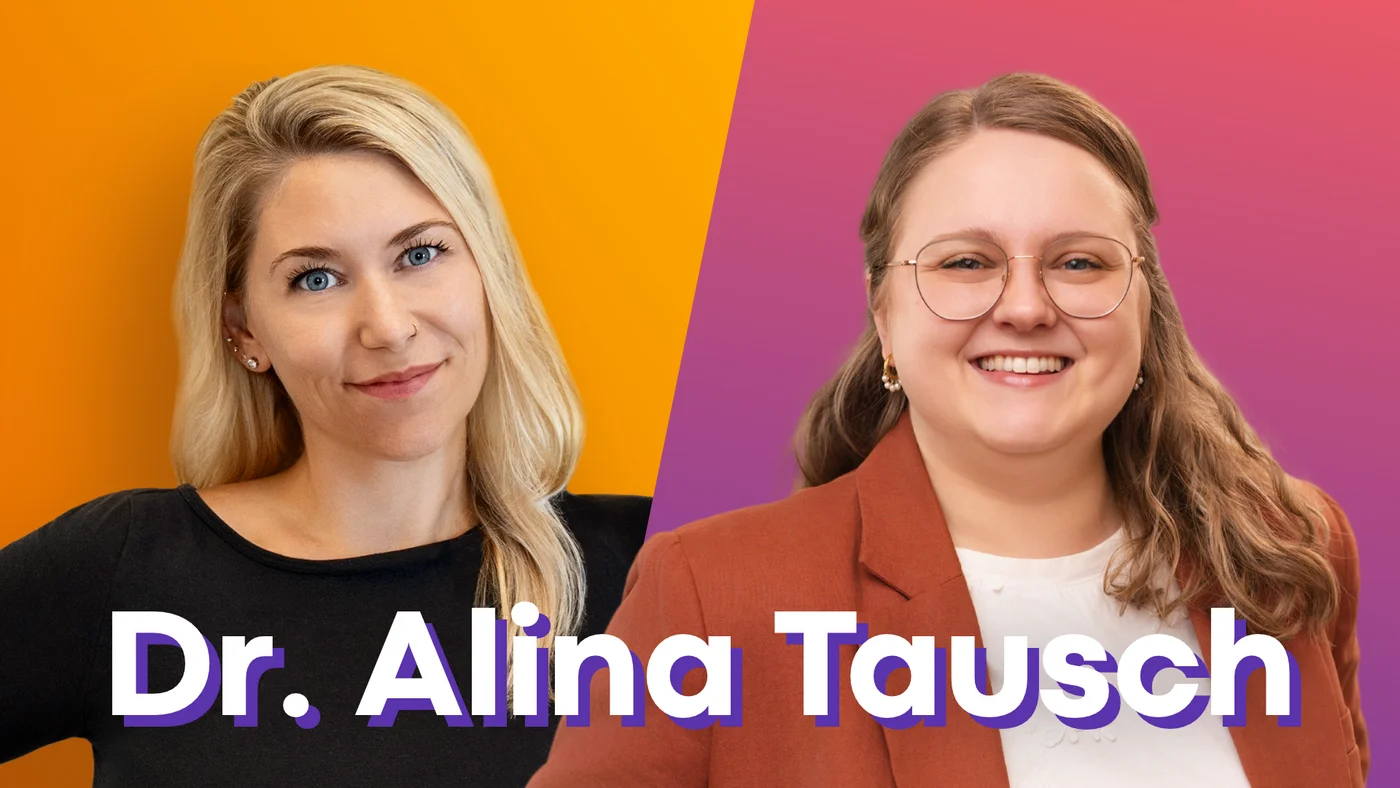
Artificial intelligence is already taking on tasks that used to take people considerably longer to complete. Whilst this may sound like a major opportunity for businesses, it also triggers uncertainty amongst employees. Will AI make our work easier, or will it eventually replace us entirely? And what will happen to our skills if we hand over more and more tasks to it?
Dr Alina Tausch from the University of Witten/Herdecke (UW/H) is exploring these questions. Her research focuses on how artificial intelligence is changing our work, our professional identity and collaboration within organisations.
AI is putting our professional self-image to the test
AI is changing not only the tasks that employees undertake, but also how they perceive their own professional role. Alina Tausch does not consider the prospect of AI rendering entire occupational groups redundant to be the main threat. People possess skills that artificial intelligence cannot yet replace. These include, for example, social sensitivity, interpersonal contact and the ability to devise unconventional solutions.
In studies involving speech and language therapists and counsellors, Alina Tausch investigated how the use of AI affects professional identity. Whilst counsellors felt their professional expertise was under particular threat, speech and language therapists feared losing key aspects of their therapeutic work. There is also another risk: those who rely on AI in the long term and hand over even simple tasks to it may lose their own skills over time.
This makes the way in which companies utilise artificial intelligence all the more important. Employees should be involved at an early stage and be able to have a say in which tasks AI supports them with. This is not merely about becoming faster or more productive, but also about creating working conditions that enable healthy, satisfying and self-determined work.
In the second episode of the University of Witten/Herdecke’s science podcast ‘Denk mal drüber nach.’ (Think about it), Dr Alina Tausch explains which concerns about AI are justified, why human skills remain important, and how companies can shape technological change.
Further information: The episode ‘Should we be afraid of AI in the world of work?’ is now available:
Photos to download
Contact person
Svenja Malessa
Press Officer
Administration | Communication & Marketing
Alfred-Herrhausen-Straße 48
58455 Witten
Room number: 2.F05