Why Some Noises Are More Distracting Than Others
A psychologist at Witten/Herdecke University explains why conversations capture our attention and which sounds are particularly distracting.
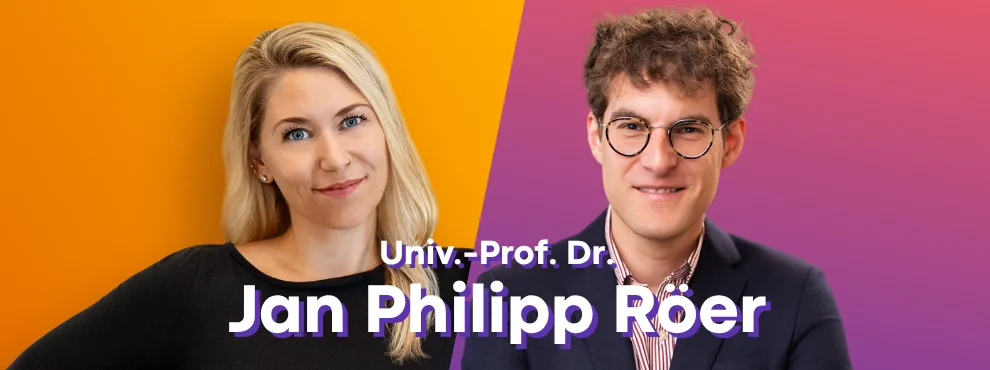
A conversation at the next table, a colleague’s phone call or two people on the train: we don’t want to listen at all – and yet we still pick up on what’s being said. This can be particularly distracting when studying or trying to concentrate on work. But why does speech so reliably capture our attention?
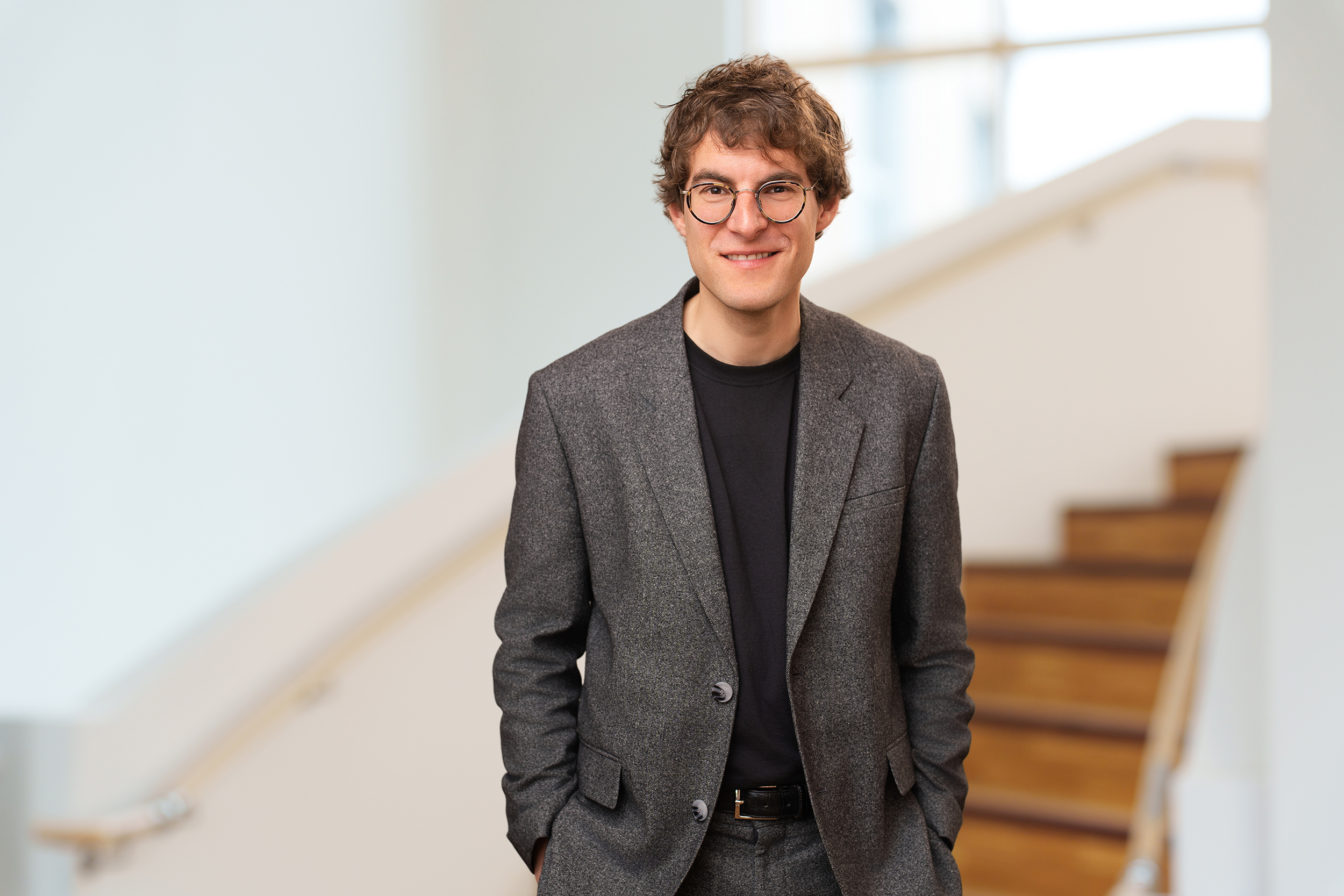
“We cannot close our ears as we can our eyes,” says Prof. Dr Jan Philipp Röer, holder of theChair of Experimental Psychology at Witten/Herdecke University (UW/H). Our brain is constantly bombarded with sounds and has to decide which information is important and which can be pushed into the background. We cannot fully control this selection process.
Speech is particularly difficult to ignore
It is not just the volume that determines whether something distracts us. A steady noise, such as the hum of an air-conditioner or the sound of a vacuum cleaner, may barely be noticed after a while, whilst a quieter conversation repeatedly draws our attention. Speech contains information that might be relevant to us – this becomes particularly clear when, for example, we suddenly hear our own name amidst background noise.
For focused work, this means that it is not just how loud the environment is that matters, but also what can be heard there. Particularly when reading, writing or studying, background conversations can divert our focus away from the task at hand.
In the first episode of the new UW/H podcast ‘Denk mal drüber nach’, Prof. Dr Jan Philipp Röer explains in detail why our brain filters out some things and not others, how the so-called cocktail party effect works, and whether music really does help when working.
Further information:
The episode ‘Why do we hear things we don’t even want to hear?’ is now available: [Link]
Photos to download



Contact person

Svenja Malessa
Press Officer
Administration | Communication & Marketing
Alfred-Herrhausen-Straße 48
58455 Witten
Room number: 2.F05